

Trump Opposes Tolls on Strait of Hormuz, Signaling Policy Shift on Key Oil Chokepoint
BitcoinWorld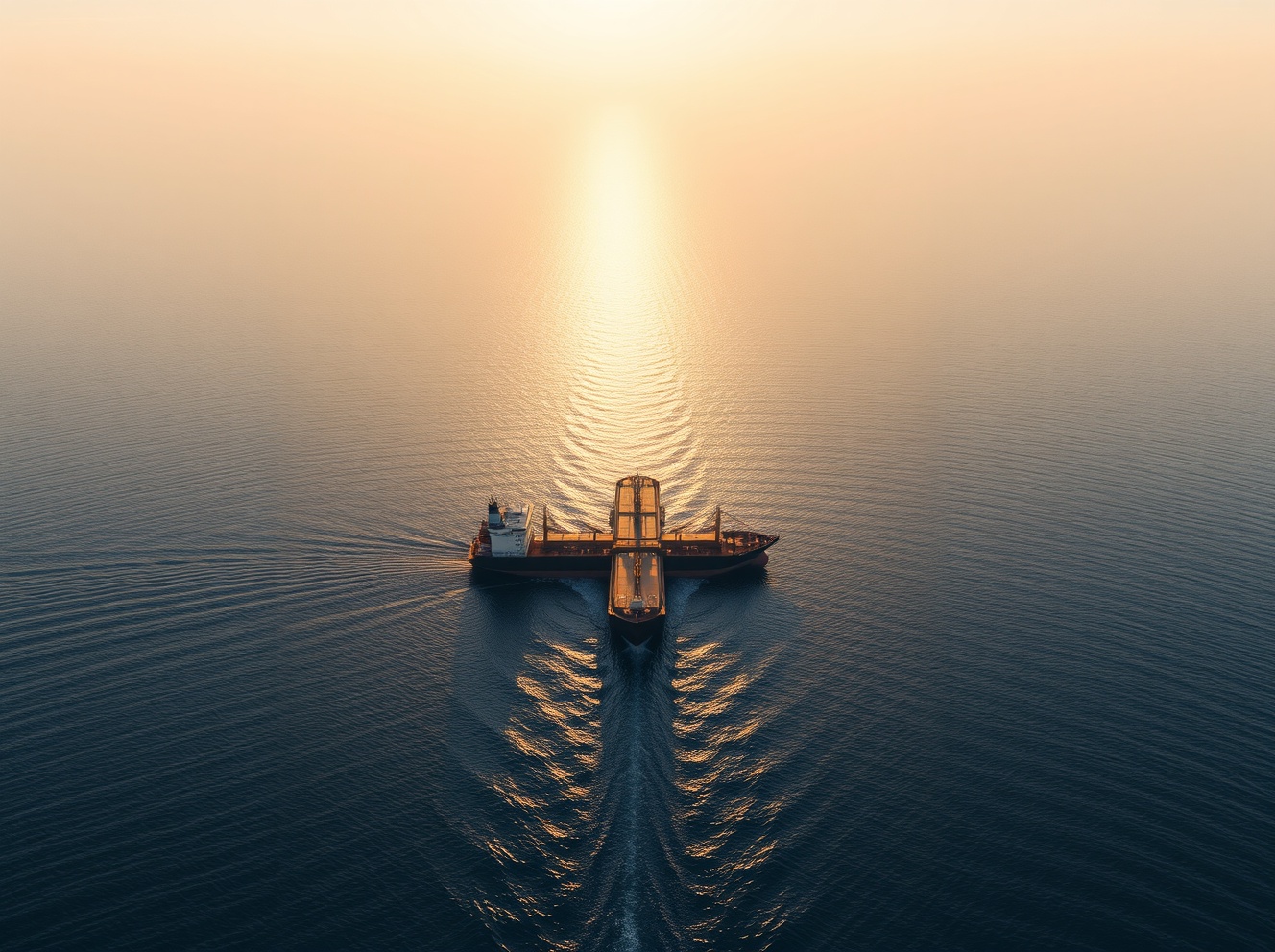
Trump Opposes Tolls on Strait of Hormuz, Signaling Policy Shift on Key Oil Chokepoint
U.S. President Donald Trump has stated that he does not want to impose tolls on passage through the Strait of Hormuz, a critical maritime chokepoint for global oil shipments. The remark, made during a press briefing, signals a potential departure from previous discussions about leveraging tolls as a geopolitical tool.
Context and Implications
The Strait of Hormuz, located between Iran and the Arabian Peninsula, is one of the world’s most strategically important waterways. Approximately 20% of global oil consumption passes through its narrow channel daily. Any disruption to shipping there has historically led to spikes in global energy prices and heightened geopolitical tensions.
Trump’s statement comes amid ongoing discussions within his administration about using economic pressure points against Iran and other regional actors. While the idea of imposing tolls on vessels transiting the strait has been floated by some policy advisors as a means to generate revenue and exert leverage, the President’s direct opposition appears to rule out such a measure for now.
Market and Geopolitical Reactions
Analysts have noted that the removal of a potential toll threat could ease some near-term uncertainty in oil markets. However, the broader strategic landscape remains complex. The U.S. maintains a significant naval presence in the region, and the strait’s security is a recurring topic in U.S.-Iran relations.
Why This Matters
For readers, this development is significant because it directly impacts the stability of global energy supply chains. Any policy change affecting the Strait of Hormuz can influence gasoline prices, shipping costs, and the broader economic outlook. Trump’s clear stance provides a degree of predictability for markets and allied nations that rely on unimpeded passage through the waterway.
Conclusion
President Trump’s opposition to imposing tolls on the Strait of Hormuz clarifies U.S. policy on a key global trade route. While the decision may ease immediate market concerns, the underlying geopolitical dynamics of the region remain unchanged. The statement reinforces the administration’s current approach of avoiding direct economic interventions on international shipping lanes.
FAQs
Q1: Why is the Strait of Hormuz important?
A1: It is a narrow waterway through which about one-fifth of the world’s oil passes daily. Any disruption can cause major fluctuations in global energy prices.
Q2: Did President Trump previously support tolls on the strait?
A2: There had been discussions among some advisors about the possibility, but Trump’s recent statement makes clear he does not favor such a policy.
Q3: How could tolls affect global shipping?
A3: Imposing tolls would increase costs for tanker operators, likely leading to higher oil prices for consumers and potential diplomatic friction with countries dependent on the route.
This post Trump Opposes Tolls on Strait of Hormuz, Signaling Policy Shift on Key Oil Chokepoint first appeared on BitcoinWorld.


You May Also Like

Mark Cuban Says He Sold Most of His Bitcoin, Calling It a Failed Hedge

Blockchain.com Submits Confidential IPO Filing to SEC Amid Crypto Market Revival
What Trump’s 'utterly bonkers' turn of phrase reveals: analysis



