

Iranian President Rules Out Concessions in Ongoing Negotiations
BitcoinWorld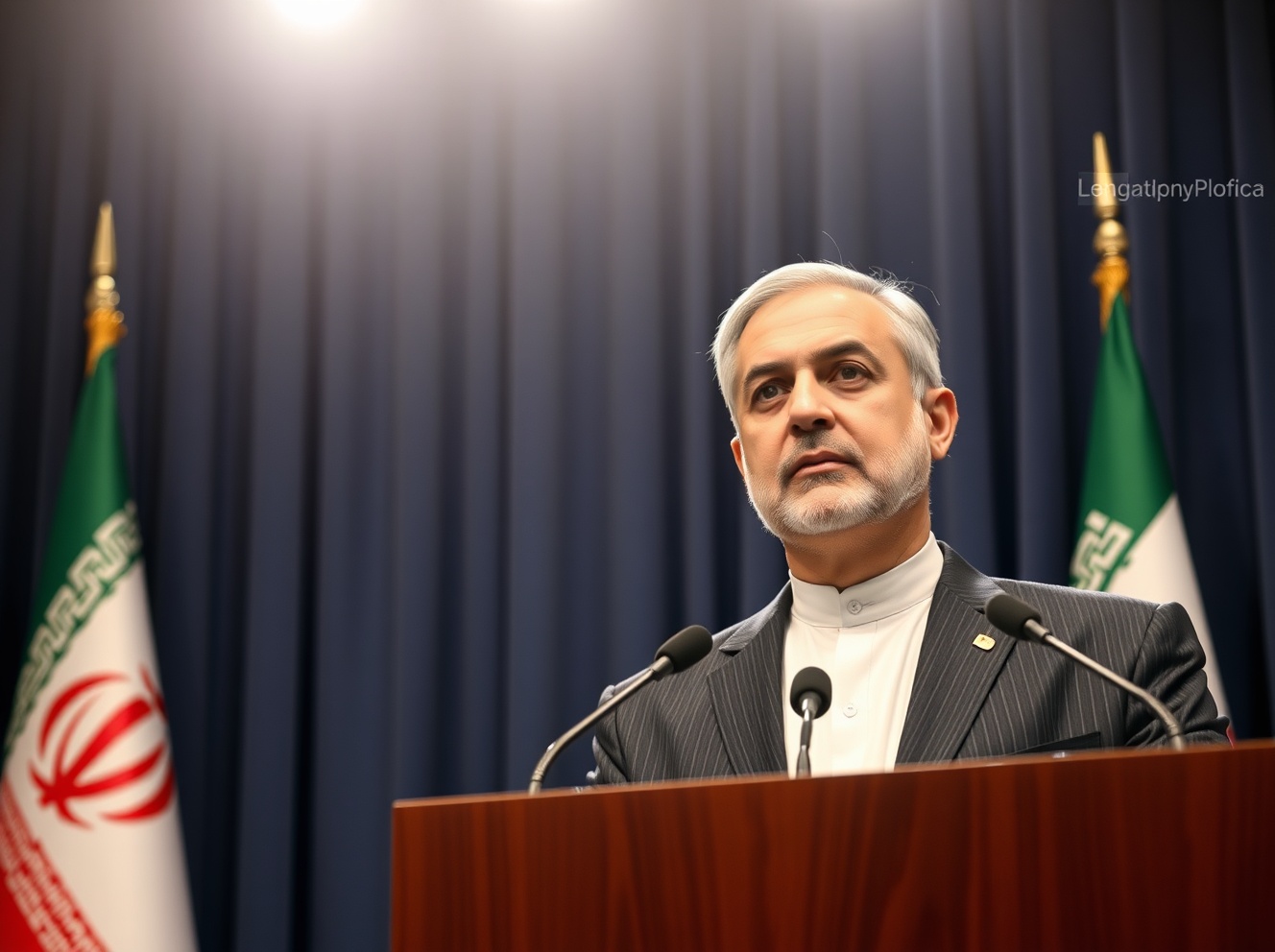
Iranian President Rules Out Concessions in Ongoing Negotiations
Iranian President Masoud Pezeshkian has stated unequivocally that he will not make concessions in ongoing negotiations, according to a report from Iranian state television. The statement, made public on [date of report if available, otherwise remove], signals a firm stance from Tehran as it engages in diplomatic discussions on a range of issues, including its nuclear program and regional influence.
Context of the Statement
The president’s remarks come amid a complex period for Iranian diplomacy. Negotiations with world powers, particularly over the Joint Comprehensive Plan of Action (JCPOA) and related sanctions relief, have been stalled for months. Pezeshkian’s declaration appears to be a direct message to both domestic hardliners and international counterparts, reinforcing Iran’s position that it will not yield on core principles.
Iranian state TV, which is closely aligned with the government, broadcast the statement without additional commentary, suggesting the administration’s desire to project unity and resolve. The timing is significant, as Iran faces increasing economic pressure from Western sanctions and internal public discontent over inflation and unemployment.
Implications for Regional and Global Diplomacy
This hardline posture may complicate efforts by the United Nations and European intermediaries to restart broader talks. Analysts note that Pezeshkian’s administration, while perceived as more pragmatic than its predecessor, is still bound by the red lines set by Supreme Leader Ayatollah Ali Khamenei. The ‘no concessions’ stance could limit the scope for compromise on issues such as uranium enrichment levels or ballistic missile development.
For neighboring countries in the Middle East, particularly Saudi Arabia and the United Arab Emirates, Iran’s unyielding position may heighten regional tensions. However, it also provides clarity for diplomatic planning, as partners now understand the baseline from which Iran will not move.
What This Means for the Nuclear Deal
The JCPOA, formally known as the Iran nuclear deal, remains a central point of contention. Iran has continued to enrich uranium beyond the limits set by the 2015 agreement, a move it justifies as a response to the US withdrawal in 2018 and the reimposition of sanctions. Pezeshkian’s statement suggests that any future agreement would require significant concessions from the other side, particularly the United States, before Iran alters its nuclear activities.
Conclusion
President Pezeshkian’s firm declaration that Iran will not make concessions in negotiations underscores the challenges ahead for diplomatic resolution. While the statement reinforces Iran’s negotiating position, it also signals a period of continued stalemate unless external parties offer substantial incentives. The coming weeks will be critical in determining whether this stance leads to a renewed diplomatic push or further entrenchment of positions.
FAQs
Q1: Why did President Pezeshkian say Iran will not make concessions?
He made the statement to reinforce Iran’s negotiating position, likely in response to domestic political pressures and to signal resolve to international counterparts.
Q2: How does this affect the Iran nuclear deal?
It may complicate efforts to revive the JCPOA, as Iran is unwilling to compromise on key issues like uranium enrichment levels or sanctions relief without reciprocal actions.
Q3: Is this a shift from previous Iranian policy?
No, this aligns with the consistent stance of Iran’s leadership, including Supreme Leader Khamenei, who has long opposed concessions under pressure.
This post Iranian President Rules Out Concessions in Ongoing Negotiations first appeared on BitcoinWorld.


You May Also Like

Seturion expands European token settlement network with Societe Generale and flatexDEGIRO

AEVIS VICTORIA Shareholders Approve All Proposals at 2025 AGM

Mike Johnson 'fed up' with Trump as he ditches White House for first time: insiders



