

Experts call for telecom policy that delivers jobs and digital growth
Industry experts have charged the Nigerian Communications Commission (NCC) to ensure the ongoing review of the telecoms policy moves beyond prioritising connectivity alone to national and economy-wide transformation.
While delivering his presentation during Thursday’s National Telecommunications Policy (NTP) 2000 Review, Engineer Aliyu Aboki, Executive Secretary of the West Africa Telecommunication Regulators Assembly (WATRA), stressed that NTP 2026 (after review) must move from a traditional telecoms focus to a digital economy strategy.
As the commission makes efforts to review the NTP for the first time in 26 years, the targets set in 2000 have largely been exceeded with a couple of digital transitions, increased industry competition, network expansion and regulatory reforms.
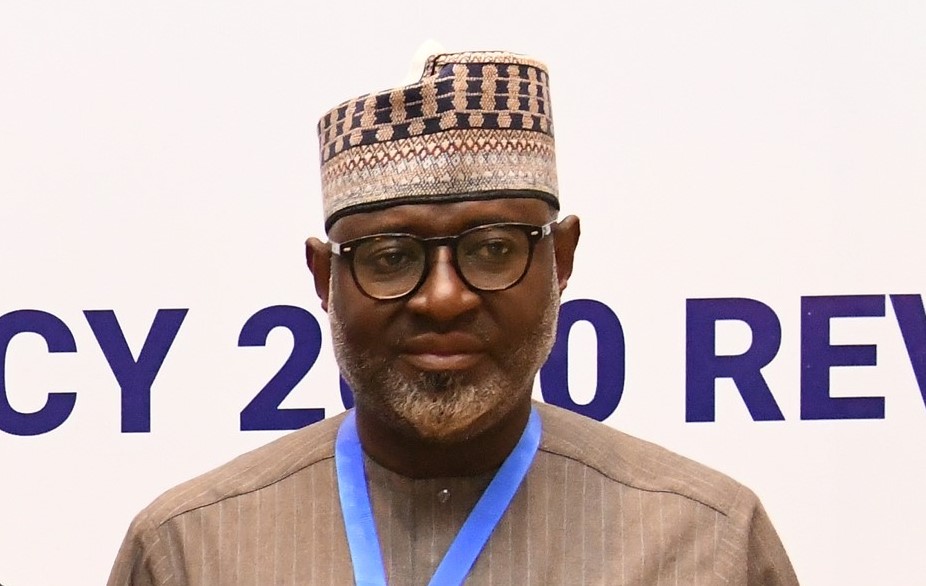 Engineer Aliyu Aboki, Executive Secretary of the West Africa Telecommunication Regulators Assembly (WATRA)
Aboki argued that telecoms’ impact goes far beyond providing voice and internet services to Nigerians. He noted that the industry is now the heartbeat of digital development, as its performance is pivotal to the growth of Nigeria’s economy, particularly for financial institutions and emerging technologies.
“Telecommunications infrastructure is no longer merely communications infrastructure. It is now a foundational economic infrastructure. It enables commerce, innovation, productivity, governance, education, inclusion, entrepreneurship, and participation in the global digital economy,” he added.
Aboki noted that the policy should address issues such as how to ensure that farmers, artisans, enterprises, self-employed workers, and rural communities can fully participate in the opportunities created by the digital economy. Another key issue lies in promoting the integration of digital technologies into major sectors.
“These are the questions that should shape the next generation of telecommunications policy. Telecom policy is not a narrow sectoral issue and must be treated as a national asset for the growth of the digital economy,” he added.
As the country charts a new course, a major question is how it can build on previous achievements to unlock future potential. To lead Africa in this push, Nigeria must prioritise AI, hyperscale data centres, cloud ecosystems, and smart cities.
 Telecoms and innovation
Also Read: Nigeria added 650,000 new internet users in March, driven by mobile data subscriptions.
Policy should address market needs
At a time when Nigeria’s subscriber base is growing, the bottom line, going forward, is how policies target the needs of the people and not merely drafting policies that fail to prioritise people.
Dr Alma Nurshaikhova, Senior Digital Specialist at the World Bank, who joined virtually, stressed that the digital tools must reflect the structure of Nigeria and local languages. It must reflect market realities rather than merely policy intentions.
“In terms of the national communication policy going forward, I think the key question is not only what the policy should say, but what the market actually needs to do to deliver broadband at scale and also especially in underserved and unserved areas,” she added.
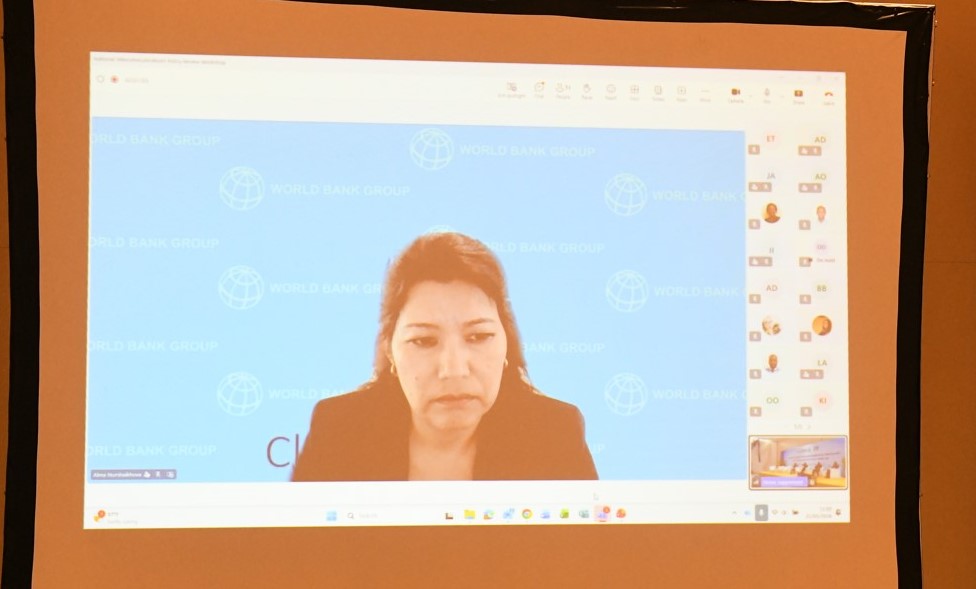 Dr Alma Nurshaikhova, Senior Digital Specialist at the World Bank, speaking virtually as a panellist during NCC’s NTP 2000 Review Workshop on Thursday, May 21, 2026.
A major concern is that some policies have been designed to reflect the dynamics of developed countries, thereby failing to capture the needs of the people. Nigeria’s needs are peculiar to its setting, alignment propels quality accessible for its 185 million subscribers and more.
Dr Alma noted that Project Bridge, which seeks to lay 90,000 km of fibre nationwide, is a key initiative. However, its success lies in delivering and executing what it aims to achieve.
“Nigeria doesn’t lack ambition; it lacks regulatory predictability and execution consistency,” she said.
Policy reforms are an opportunity to right the wrongs, realign targets to reflect innovations and fuel the specific needs of Nigerians.


You May Also Like
This man is the antidote to Trump's poison

Spotify Universal Music AI brings licensed AI covers & remixes to Premium
Quantum Debate in Bitcoin Grows! After Elon Musk and CZ, Coinbase CEO Brian Armstrong Also Makes a Statement!



