

Hoskinson XRP Tether Circle: Hoskinson backs XRP as more open Web2.5
Charles Hoskinson is not usually the person XRP supporters expect to hear praising their favorite network. That is exactly why the latest Hoskinson XRP Tether Circle debate is drawing attention across crypto: the Cardano founder said XRP is a stronger “Web2.5” product than Tether or Circle, and he tied that view to a bigger argument about openness, control, and who gets to build.
The comment landed with extra force because it cut against years of friction between Hoskinson and parts of the XRP community. Instead of reopening old fights, he made a direct product comparison. In his words, “I think XRP as a Web2.5 product is better than Tether or Circle.”
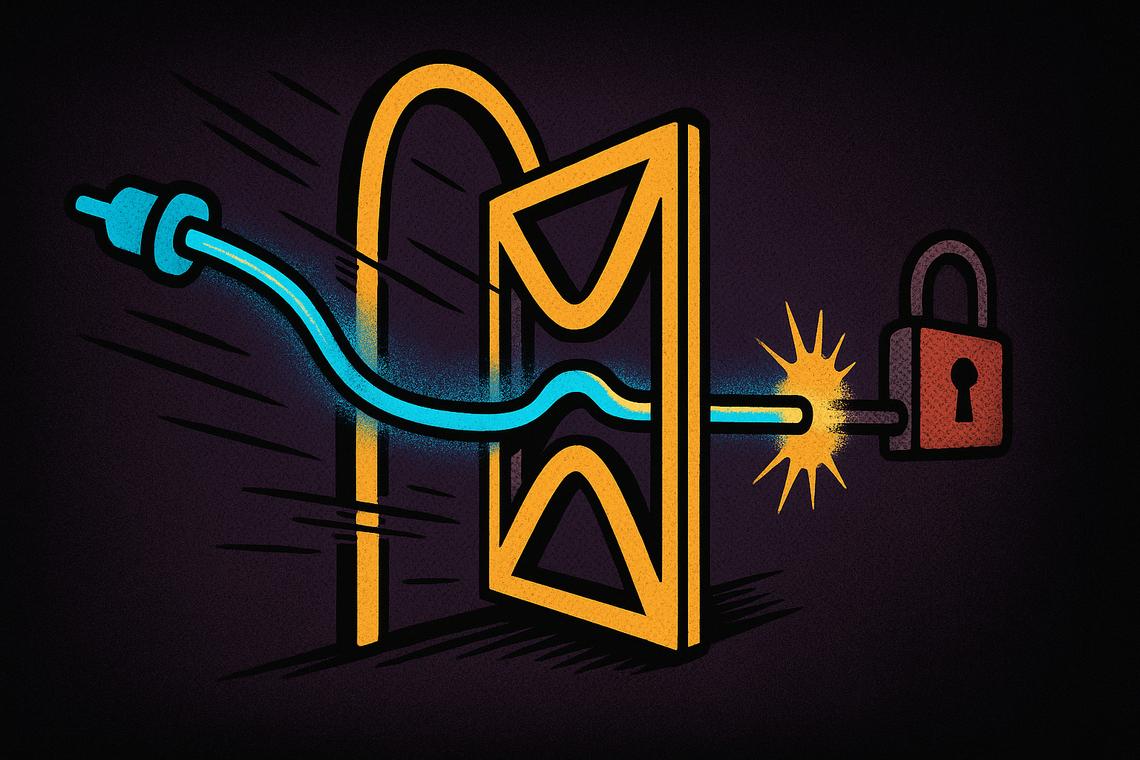
He also explained why. Hoskinson said builders do not need Ripple’s permission to use the XRP Ledger, framing XRP as an open network rather than a company-gated system. For a market already debating stablecoin power and regulation in Washington, that distinction matters.
Hoskinson’s unusual praise for XRP
Rare praise from a longtime industry rival is often what makes crypto readers stop scrolling. This time, the headline was not just that Hoskinson liked XRP. It was the reason he gave for liking it.
He described XRP as a better Web2.5 product than Tether or Circle, two of the biggest names tied to centralized stablecoin issuance. That comparison pushed the discussion beyond token rivalry and into infrastructure design.
Why he called XRP a better Web2.5 product
Hoskinson’s point was rooted in access. He said XRP works better in a Web2.5 model because it sits closer to open blockchain rails while still being usable in the real-world payments stack.
That argument also helps explain why the Hoskinson XRP Tether Circle conversation spread so quickly. He was not simply ranking brands. Instead, he was contrasting open network utility with centralized issuer control.
Why he says builders do not need Ripple’s permission
Hoskinson argued that developers can use the XRP Ledger without needing approval from Ripple. That is a direct defense of open network participation, and it is one of the most important claims in his remarks.
For builders, this is the practical heart of the story. If developers can launch and experiment without asking a company for access, the network looks more like public infrastructure and less like a closed product. That is a meaningful dividing line in crypto, especially as projects compete to attract developers and payments use cases.
Why Hoskinson prefers open protocols
Hoskinson did not leave the argument at product preference. He connected it to his broader philosophy on how crypto systems should work.
“I believe in open standards, open protocols, and open ecosystems,” he said.
Open standards and open ecosystems
That short statement carries a lot of weight. It places Hoskinson firmly on the side of networks that anyone can build on, rather than systems where a central issuer can decide who gets access and under what terms.
More importantly, the remarks matter beyond XRP itself. The debate is really about what kind of crypto infrastructure survives regulatory pressure and long-term adoption. Open protocols tend to attract developers because they reduce dependency on a single company. In that sense, Hoskinson’s defense of the XRP Ledger open access model was also a defense of public blockchain design.
How he contrasted XRP with centralized issuers
Hoskinson contrasted XRP with centralized stablecoin issuers such as Tether and Circle, saying those models can freeze funds, block addresses, and control access. He did not frame that as a small technical difference. He framed it as a structural one.
That distinction is especially important now because stablecoins sit at the center of crypto payments. Centralized issuers remain huge players, but their systems rely on company-run reserves and compliance frameworks. XRP, in Hoskinson’s telling, offers a different balance: something usable in a real economy without the same degree of centralized permissioning.
In practice, that is one of the clearest “why this matters” points in the story. Crypto investors and builders are not just comparing assets anymore. They are comparing control models.
The regulatory backdrop and Cardano context
The timing of the comments gave them even more relevance. Stablecoin rules are under debate in Washington, and crypto firms are already fighting over what that future should look like.
The article ties Hoskinson’s remarks to that wider stablecoin regulation US debate, including a fight around the CLARITY Act’s stablecoin rewards provision involving crypto firms and U.S. banking groups. Even without a final policy outcome, the policy backdrop helps explain why a comment about openness versus centralized control hit such a nerve.
Washington’s stablecoin debate
When rules are being written, architecture matters more. A network that is open to developers without corporate approval can look very different from a stablecoin model built around issuer discretion, reserve management, and compliance controls.
That does not make one system identical to the other, but it does sharpen the policy divide. Hoskinson’s comments arrived at a moment when lawmakers and industry players are effectively arguing over how much financial infrastructure should remain programmable and open, and how much should be supervised through centralized entities.
Why the comment landed inside a broader Cardano story
There is another layer here. Hoskinson’s relationship with the XRP community has often been tense, which made the praise more surprising than it would have been from a neutral observer.
He has also sparred with Ripple before. Earlier, he criticized Ripple CEO Brad Garlinghouse over a crypto market structure bill, warning about the lasting impact of flawed rules. That history makes his latest remarks stand out even more: they were not tribal praise, but a specific endorsement of XRP’s open-access qualities.
At the same time, Cardano has been dealing with its own internal questions. The broader reporting around this moment also points to Cardano governance review efforts and a treasury dispute over an ADA proposal. The review covered more than 11,000 DAOs, looking at governance design, roadmaps, executive roles, and strategy setting. It followed a treasury fight in which 81% of active stake opposed a 32.9 million ADA proposal to fund Input Output Global’s research lab for another year.
That context matters because it shows Hoskinson making an argument about openness while Cardano itself is under pressure to prove how decentralized governance should work in practice. In other words, this was not a clean, abstract theory debate. It arrived while major crypto ecosystems were facing live tests around control, legitimacy, and decision-making.
What changes now
The Hoskinson XRP Tether Circle story matters because it briefly cut through crypto tribalism and put design choices at the center of the conversation. It suggested that even outspoken ecosystem leaders may be willing to recognize value in rival networks when the architecture supports open participation.
It also sharpened a bigger divide that is likely to keep growing: open blockchain rails versus centrally managed crypto payment systems. As Washington debates stablecoin rules and major networks compete for builders, the question is getting harder to avoid.
Who controls access may end up mattering as much as who controls the brand.


You May Also Like

Ethereum Price Today: Standard Chartered Forecasts ETH to Hit $4,000

CME Group to launch Solana and XRP futures options in October

Polkadot vs Cosmos: Which Blockchain Interoperability Platform Leads in 2026?



