

South Korea Charges CATFI Meme Coin Group in First DEX Rug Pull Case
TLDR
- CATFI surged 1,001-fold before buyers reported 900 million won in losses tied to DEX
- CATFI case puts South Korea’s virtual asset law under a fresh DEX trading test
- Solana meme coin CATFI becomes major test for South Korea’s DEX trading rules
- CATFI promoters face charges over fake posts, wallet spreading, and wash trades
- South Korea’s CATFI case targets meme coin fraud beyond centralized exchanges
South Korea charged a CATFI meme coin group in its first DEX rug pull case under virtual asset rules. Prosecutors say the Solana-based token scheme used false promotion, wallet spreading, and wash trading. The case now tests how authorities treat meme coin fraud outside centralized exchanges.
CATFI Rug Pull Case Moves to Court
The Seoul Southern District Prosecutors’ Office brought charges against five people linked to CATFI. Authorities arrested and indicted two main suspects, while three others face charges without detention. Prosecutors also charged two people with helping the main suspect avoid arrest.
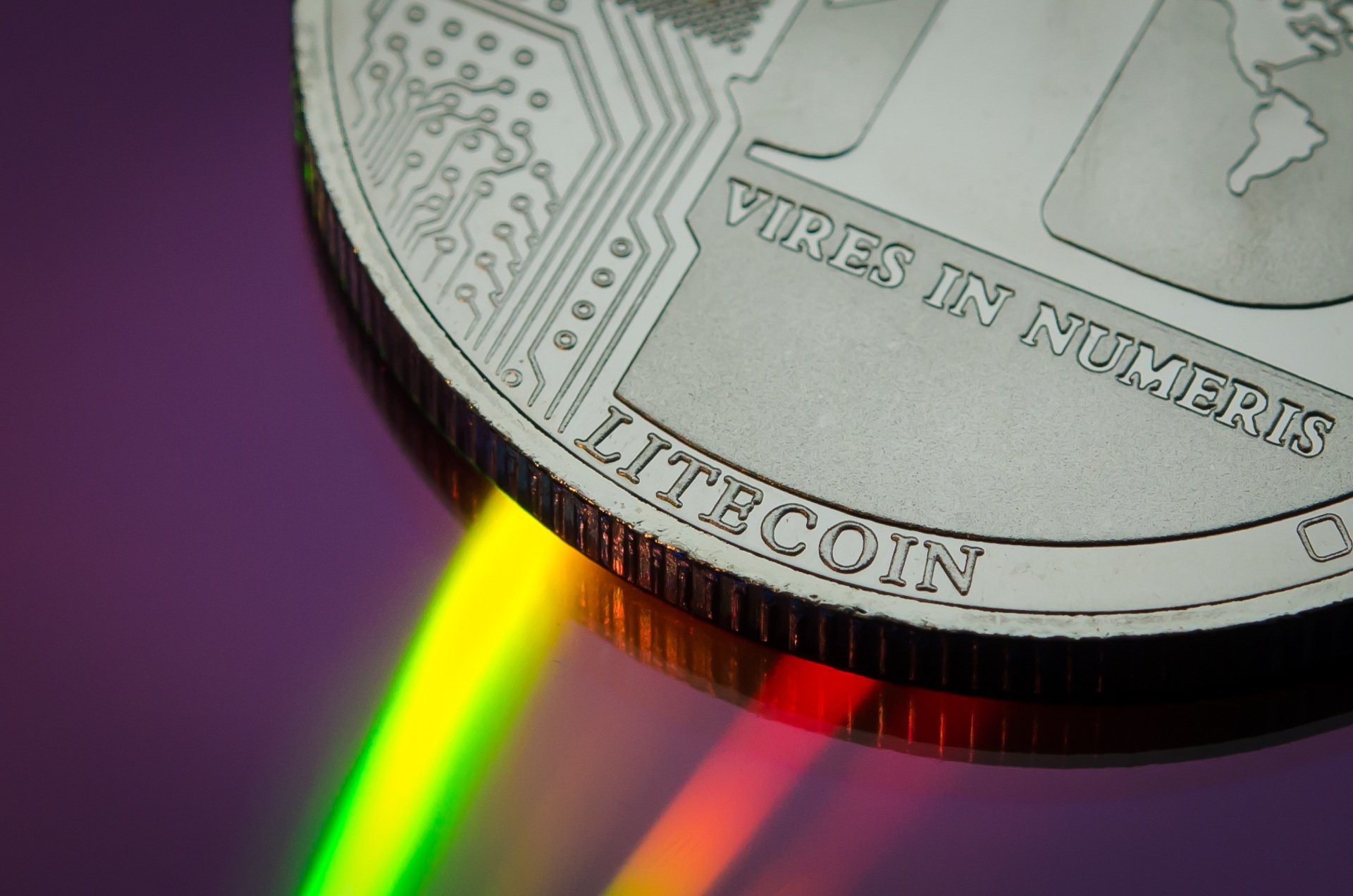
CATFI launched on Pump.Fun in early 2025, during strong demand for Solana meme coins. The group then listed the token on a decentralized exchange and promoted it through social media. Prosecutors say the project later collapsed after the group pulled value from the market.
The case marks South Korea’s first DEX rug pull prosecution under the Virtual Asset User Protection Act. It also marks the first arrest tied to a DEX-based rug pull case. Authorities now want to show that decentralized trading does not remove legal responsibility.
Prosecutors Say CATFI Used False Promotion
Prosecutors say the main suspect, Park, promoted CATFI under the online name Eth Father. He allegedly acted as an independent influencer and pushed the token to buyers. Authorities say he had direct links to the issuing group.
The group also managed CATFI social media accounts and inflated follower numbers. It posted positive project updates and used false claims to build market interest. Prosecutors say the group hid its role through several wallets.
Authorities say the suspects used circular trading to mask control over CATFI supply. This trading activity allegedly created a false market image around the token. Prosecutors framed the conduct as fraudulent trading under South Korea’s virtual asset law.
CATFI Surge Ends With Heavy Losses
CATFI rose 1,001-fold within 26 hours after issuance, according to investigators. Around 6,000 people bought the token during the fast price surge. However, 256 buyers later reported combined losses of about 900 million won.
Prosecutors say the group used about 10 million won to support the scheme. They also estimate the suspects gained about 400 million won in illegal proceeds. The figures show how a small launch budget created large market damage.
The case follows South Korea’s wider push against crypto market abuse. Earlier enforcement actions focused on centralized exchanges and listed tokens. The CATFI case expands that pressure to meme coins, influencers, and DEX trading.
The post South Korea Charges CATFI Meme Coin Group in First DEX Rug Pull Case appeared first on CoinCentral.


You May Also Like

SUI Relative Weakness: What Layer-1 Traders Are Really Pricing In
JIC Ventures backs Webout as it takes real-time video personalisation platform to the US
Monster Beverage (MNST) Stock Hits 52-Week High After Strong Q1 Earnings



