

Restaking Risk After the Hype: Why Shared Security Still Needs Better Failure Models
Restaking promised a way to reuse Ethereum’s economic security to protect new services. Capital followed, yields appeared, and liquid restaking tokens (LRTs) made it easy to participate. Now the hard part begins: understanding how this shared security can fail, and what that means for your ETH.
If you’re weighing whether to restake, delegate to an operator, or hold an LRT, you need more than a rewards number. You need a practical way to map the risks, anticipate cascades, and decide your personal limits. This guide breaks down the mechanics, the trade-offs, and the red flags to help you move beyond hype toward informed decisions.
Nothing here is investment advice. Restaking stacks multiple experimental systems. Losses from slashing, depegs, or smart-contract failures are possible, even if rare.
AspectWhat to Know ConceptRestaking reuses staked ETH (or LSTs) to secure additional networks or services (AVSs), extending Ethereum’s economic security. Main AppealPotentially higher rewards from multiple sources (base staking + AVS incentives) without adding new capital. Primary RisksExpanded slashing surface, smart-contract bugs, operator misbehavior, correlated depegs, oracle/MEV exploits, governance failures. Who It SuitsParticipants who understand staking mechanics, can assess protocol docs and audits, and accept complex, correlated risk. Key Decision DriversAVS selection, operator reputation, slashing terms, liquidity needs, diversification across tokens and AVSs. Liquidity RealityLRTs and points may feel liquid, but exits can be gated, delayed, or discounted during stress. Regulatory/OperationalJurisdictional uncertainty and tax treatment vary; record-keeping and disclosures matter.
Core Concepts: How Restaking and Shared Security Actually Work
In Ethereum, staking bonds ETH to validators that propose and attest blocks. Restaking extends this model: the same economic stake is pledged to secure additional services—such as data availability layers, oracle networks, or offchain execution systems—often called Actively Validated Services (AVSs). The promise is leverage: one pool of capital, many protections.
Frameworks like EigenLayer aim to coordinate this by letting stakers or LST holders opt into AVSs with explicit slashing terms. If a restaked validator breaks an AVS’s rules, some of their collateral can be slashed. This creates a shared-security marketplace where AVSs “rent” Ethereum’s economic weight rather than bootstrapping from zero.
But stacking security isn’t free. Each added AVS introduces new agents (operators, committees), new code, new oracles, and new governance. Risks can correlate across layers. In a stress event—say, a critical bug, price shock, or oracle fault—losses and liquidity crunches can cascade from AVSs back to ETH and LST markets.
Designers, including leading researchers, have cautioned against overloading Ethereum’s consensus with external responsibilities. The safer path is to isolate responsibilities, specify slashing scopes, and build robust failure models that stress test the entire dependency chain before real value sits on top.
Key terms, short and clear
- Restaking: Reusing staked ETH (or LSTs) as collateral to secure additional networks or services.
- Shared security: Multiple systems draw protection from the same economic collateral, tying outcomes together.
- AVS: Actively Validated Service—an external protocol or service that relies on restaked collateral and enforces its own rules and slashing.
- Slashing: Penalty mechanism that burns or seizes stake when operators violate protocol rules.
- Correlation risk: Losses in one component trigger or amplify losses elsewhere due to shared dependencies.
- LRT: Liquid Restaking Token—a transferable receipt that represents a restaked position with additional protocol layers.
A Step-by-Step Playbook to Assess Restaking Risk
- Map your starting stack. List your ETH, LSTs, lockups, and where they’re custodied. Note validator exposure, withdrawal addresses, and any leverage.
- Choose your path deliberately. Decide between native validator restaking, depositing LSTs into a restaking framework, or using LRTs. Each adds different risk and liquidity traits.
- Read the slashing spec. Identify exactly what behaviors can be slashed for each AVS you opt into, whether penalties are capped, and who triggers enforcement.
- Vet operators and delegations. If delegating, check operator track records, infrastructure redundancy, incident history, and how they handle key management and MEV.
- Audit the code path. Look for recent audits, public testnets, bug bounties, and upgrade controls across every contract you touch: restaking, AVS, wrappers, and bridges.
- Set limits and alerts. Define maximum allocation per AVS/LRT, liquidity buffers, and onchain/offchain alerts (slashing events, price gaps, oracle deviations, governance changes).
- Plan the exit. Know unbonding periods, withdrawal queues, and secondary market depth. Run a mock exit to time how long it could take under normal conditions.
Where Shared Security Can Fracture
Shared security relies on aligned incentives and precise enforcement. In practice, the most dangerous failures are the ones that couple multiple layers at once. Here are pressure points that deserve extra attention:
1) Slashing ambiguity or misconfiguration. If an AVS slashing condition is vague or relies on subjective votes, operators may be over- or under-penalized. Over-slashing can scare off capital; under-slashing erodes discipline and invites attacks.
2) Oracle and data-feed risk. Oracles define reality for many AVSs. A manipulated price, timestamp, or attestation can trip honest nodes into “dishonesty” per onchain rules, triggering unjustified slashes and chaotic rollbacks.
3) Code upgrade centralization. Emergency upgrade keys that can alter slashing logic or withdrawal mechanics concentrate power. Even well-intended teams may introduce new bugs or change risk-reward without broad consent.
4) Correlated liquidity crunch. If a popular LRT or LST depegs during stress, AVS operators could be forced sellers, deepening the discount and impairing collateral for other protocols that accept the token.
5) MEV and cross-domain incentives. Operators chasing MEV or cross-protocol rewards may face conflicting incentives, such as censoring certain transactions to win AVS-specific profits, increasing the chance of slashing elsewhere.
6) Governance capture. Token or committee-based governance that controls operator allowlists, parameters, or slashing review can be captured by whales or short-term interests, shifting risk onto unsuspecting depositors.
Choosing Between Restaking Paths
Not all routes to shared security look the same. Your choice will depend on technical comfort, liquidity needs, and your tolerance for additional layers. Below is a practical comparison of common approaches observed in today’s market.
Path Control Liquidity Reward Sources Extra Risk Layers Complexity Best For Native validator restaking Highest (you run/choose validators) Low; withdrawals follow Ethereum timelines Base staking + selected AVSs Operator errors; AVS contracts; slashing High operational overhead Technical users who want direct control LST restaking (no wrapper) Medium (delegation choices) Moderate; depends on LST liquidity and exit queues LST yield + AVS incentives LST depeg; AVS risks; operator selection Moderate Users prioritizing simpler ops with known LSTs LRT wrappers (liquid restaking tokens) Low to medium (protocol manages delegation) High in normal times; can gap in stress Stacked: base + AVS + wrapper incentives All above + wrapper contract & governance risk Low user friction; high systemic coupling Yield-seeking users who accept layered risk
If you’re undecided, start with small allocations across different paths. Observe real incident responses: how fast teams communicate, how slashing appeals are handled, and how liquidity holds during volatility.
Stress Testing: What a Bad Day Actually Looks Like
Failure models are blueprints for bad days. To make them useful, you need to spell out sequences—not just individual risks. Here’s an example scenario to probe when reviewing any AVS or LRT:
Step 1: Oracle disturbance. A key price or data oracle posts an outlier. Some AVS nodes act on it; others reject it. Disagreement triggers penalties for “incorrect” behavior per the AVS’s onchain rules.
Step 2: Slashing wave. Enough operators are flagged to trigger meaningful slashing. Delegators holding LRTs learn that their collateral is at risk, but details are unclear while disputes are reviewed.
Step 3: Liquidity flight. LRT sellers rush to exit. Secondary markets widen. Protocol withdrawal queues lengthen. Discounts open between LRT and the underlying LST/ETH.
Step 4: Feedback loop. Discounts force automated liquidations elsewhere (collateralized borrowing that accepted the LRT), creating more sell pressure. Liquidity providers pull depth, worsening the gap.
Step 5: Governance scramble. Teams use emergency powers to pause components or adjust parameters. Some withdrawals are delayed. Uncertainty persists as participants debate intent versus fault.
Step 6: Recovery or contagion. If the AVS clarifies and rolls forward, some confidence returns. If not—especially if the same operators secure multiple AVSs—stress spills into other protocols that rely on the same validators or LSTs.
When you read a protocol’s docs, ask how each step would be handled. Are slashing thresholds conservative? Are oracle feeds diverse? Are emergency upgrades time-locked? Are exit lines capped or pro-rata during pauses? Clear, pre-committed answers reduce panic and shorten drawdowns.
Pitfalls & Red Flags to Avoid
- Undefined slashing scope. If “security” or “misbehavior” isn’t precisely coded or is adjudicated offchain without due process, you’re trusting governance to stay benevolent forever.
- Points-only incentives. Campaigns without transparent reward math or vesting can encourage reckless growth, then leave holders exposed when real economics replace points.
- Single-operator concentration. If one operator runs a large share of the stake or multiple AVSs, their outage or compromise becomes a systemic risk.
- Opaque upgrade keys. Admin roles that can change slashing terms or withdrawals without notice should be clearly documented, time-locked, and ideally community-controlled.
- Shallow exit liquidity. A liquid token in calm markets can become a trap in stress. Check historical spreads, onchain depth, and known circuit breakers.
- Intertwined governance. If the same tokenholders control multiple critical layers, incentives may skew toward short-term emissions over long-term safety.
For official docs and conceptual views, consult the Ethereum staking resources on ethereum.org, research notes cautioning against overloading consensus such as community posts by core contributors, and protocol-specific documentation like EigenLayer’s docs. Treat third-party dashboards and social threads as secondary context, not primary sources.
For ongoing analysis, market moves, and risk explainers across staking and restaking, visit Crypto Daily.
Frequently Asked Questions
How is restaking different from standard Ethereum staking?
Standard staking secures Ethereum only. Restaking pledges the same collateral to secure additional services (AVSs). You can earn extra rewards, but you also accept additional slashing conditions and smart-contract risk beyond Ethereum’s base layer.
Could restaking jeopardize Ethereum’s consensus?
Designers are working to keep AVS responsibilities separate from Ethereum’s core consensus, but coupling can still occur through incentives and shared operators. If external obligations become too influential, validator behavior could be distorted. Reviewing how any framework isolates duties and caps penalties is essential.
Do liquid restaking tokens (LRTs) reduce risk because they are tradable?
Liquidity can help you exit early in normal times, but it doesn’t remove risk. In stress, LRT prices can gap down, redemptions can queue, and wrapper contracts add additional failure modes. Treat LRT liquidity as conditional, not guaranteed.
What should I read before opting into an AVS?
Start with the protocol’s slashing specification, operator requirements, oracle design, and upgrade governance. Look for independent security audits, open bug bounties, and incident reports. Cross-check with primary resources like framework docs and Ethereum staking guides.
How do I evaluate an operator I plan to delegate to?
Assess infrastructure redundancy, monitoring practices, MEV policy, historic performance, and transparency around incidents. Favor operators with documented procedures, public communication channels, and diversified clients across data centers and geographies.
What happens if an AVS wrongly slashes honest operators?
Policies vary. Some AVSs may include dispute windows, social recovery processes, or insurance-like funds. However, none are universal or guaranteed. Assume finality of penalties unless the protocol clearly codifies an appeal mechanism with time-locked governance.
How should I size my restaking exposure?
Back into it from a maximum tolerable loss. Consider the chance of a partial slash, a wrapper exploit, or a depeg. Diversify across AVSs and tokens, keep a cash or ETH buffer, and avoid leverage that could force liquidation if restaked assets drop in value.
Disclaimer: This article is provided for informational purposes only. It is not offered or intended to be used as legal, tax, investment, financial, or other advice.


You May Also Like

BIS and Global Banks Launch Live Blockchain Payment Tests Under Project Agorá
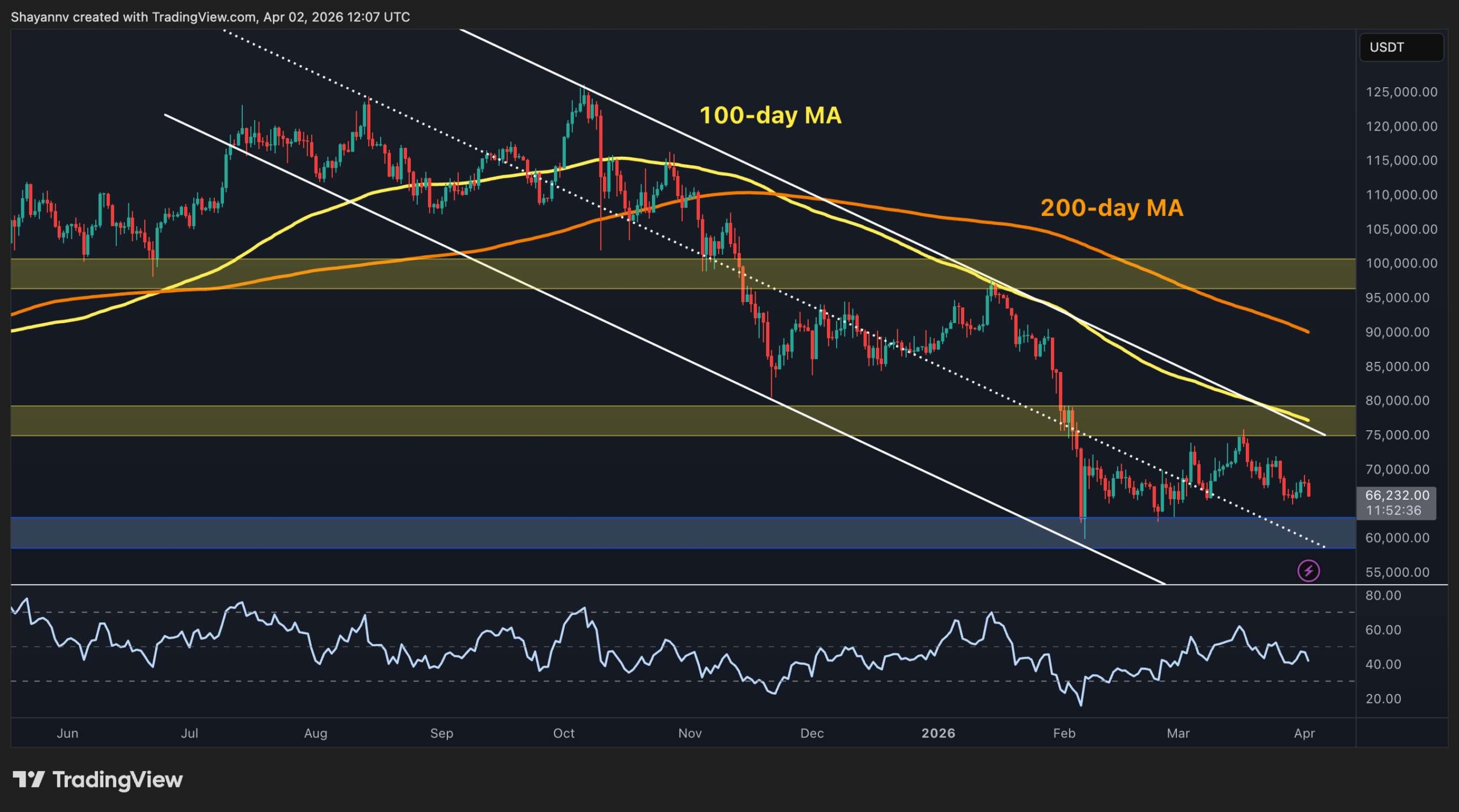
Bitcoin Price Analysis: What’s Next for BTC After Tanking to $66K?

Cardano price today pinned at $0.23 — reclaim $0.24 or risk slide



