

Russia’s new Crypto rules struggle to attract retail investors
According to the Central Bank of Russia, domestic assets related to cryptocurrency instruments remained nearly unchanged for the last six months, remaining close to 3.8 billion rubles ($44 million), per the agency’s Financial Stability Review released on June 1. For a country that legalized crypto mining in 2024 and is now building a full regulatory framework, the stagnation points for muted retail appetite could limit Russia’s role as a demand driver in global crypto markets.
This number holds significance even outside of Russia since the Russian government has used cryptocurrencies to facilitate circumvention of sanctions and engaged the State Duma to pass the first version of its comprehensive digital currency bill on April 21. Under the terms of this bill, authorized organizations will be allowed to engage in Bitcoin and Ethereum trading with accredited clients. This legislation, which will take effect on July 2026, will make Russia one of the few leading countries in the world with a crypto-friendly regulatory environment. Nevertheless, there might be little demand for such services in Russia based on current central bank estimates.
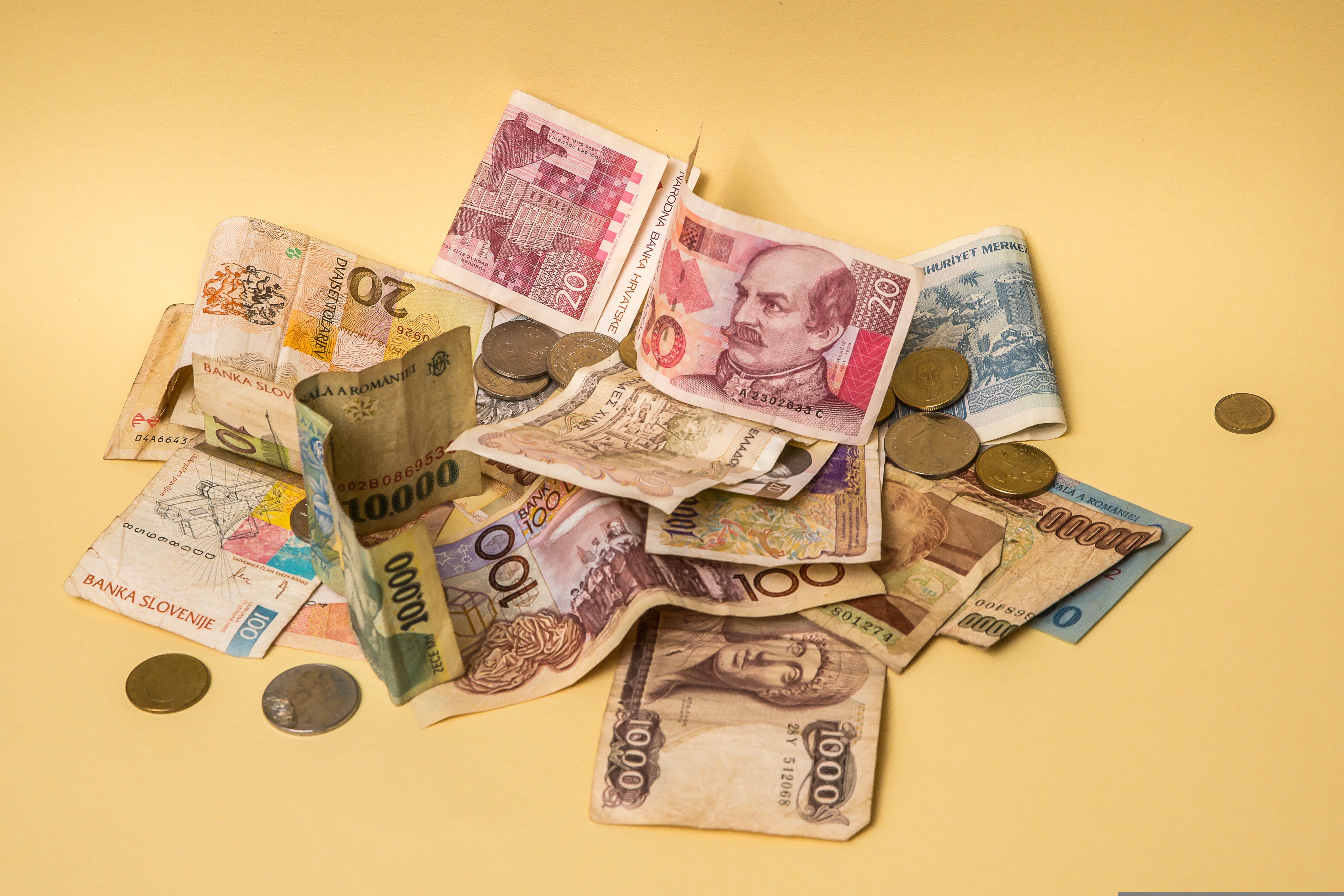
This discrepancy is especially evident considering the wider presence of Russia in the digital assets market. According to estimates by Chainalysis, during July 2024 – June 2025, Russia received some $376.3 billion worth of crypto transactions, the largest amount recorded in all of Europe. However, according to the latest figures from the Central Bank, only around $44 million was invested in financial instruments connected with cryptocurrencies.
Russian crypto investment growth stalls
Six months ago, Russian investors had approx 3.7 billion rubles in crypto-related financial products. Currently, that amount is 3.8 billion rubles, showing only 3% growth, the Financial Stability Review says.
Taking into account the fact that the Russian population stands at approximately 146 million, that figure equates to 26 rubles or $0.30 per capita. It demonstrates how little retail investment in crypto derivatives is currently involved, given efforts on the part of the government to introduce regulations into the market.
As to specific numbers, retail investors have opened about 5,600 positions worth 1.7 billion rubles in crypto futures. Another 3,800 citizens invested 354 million rubles in financial instruments based on the price levels of Bitcoin and Ethereum, while 271 customers contributed 85.6 million rubles via auto-trading systems that follow traders’ actions.
On the institutional side, crypto-linked debt instruments reached 4.1 billion rubles when corporate investors are taken into consideration. Retail investors account for 42% of that market. The bonds were issued primarily by state-backed banks Sberbank and VTB, which structured products tied to Bitcoin’s price, according to the Central Bank’s review.
Moscow Exchange crypto products not working?
The Moscow Exchange has been adding crypto derivatives steadily. Last year, it launched Bitcoin and Ethereum futures, together with Bitcoin and Ethereum exchange-traded funds. Recently, it has also introduced futures for Solana, XRP, and Tron indices.
However, none of the above introductions seems to have made any difference to overall investment volumes. In the past year, the central bank allowed financial firms to issue crypto-linked yield products on one condition, that is, the transfer of any type of crypto asset would not take place and professional investors only would be allowed access.
Russia tightens crypto rules
Cryptocurrency is to be regarded as property under the legislation being drafted by the Duma, which prohibits its use as a domestic means of payment. Investors will undergo tests and be restricted to an annual investment limit of 300,000 rubles ($3,500), and only assets with significant capitalization listed on the central bank’s white list will be allowed initially.
Additionally, a new bill criminalizing unlicensed crypto mining operations was passed by the first reading in the Duma. Fines could amount to 2.5 million rubles, and up to five years’ imprisonment may be imposed on miners who are associated with organized crime groups. A government commission approved measures to prohibit crypto mining in Moscow, Moscow Oblast, and a part of the Kursk region until at least 2032, revealed Deputy Energy Minister Evgeniy Grabchak to TASS.
The above measure is related to the practical necessity of restricting mining activities because it caused electricity shortages in regions where such companies operated after the legalization in 2024. According to reports, Russia has previously prohibited mining in 13 regions until 2031 and less than 1,500 out of 50,000 businesses have been officially registered.
Why Russia’s market remains small
The crypto market in Russia is still minuscule in comparison to its economy and even in comparison to the daily global trading volume of cryptos. With the retail exposure of only 3.8 billion rubles, which equates to about $44 million according to current exchange rates, Russia’s crypto market is insignificant compared to the hundreds of billions in global cryptocurrency daily trade. It should be noted that despite a newly established regulatory regime for cryptocurrency investments, with its limits for investment amounts, restrictions on professional investors, and a whitelist containing only Bitcoin and Ethereum, Russia will not turn into a source of additional retail interest soon.
The regulated market for crypto investments in Russia can be classified as tiny not only in comparison to its own economy but also in comparison to its crypto footprint in general. With a reported retail exposure of 3.8 billion rubles, or about $44 million, it pales in comparison to the $376.3 billion worth of crypto currency transactions estimated by Chainalysis to have been made in the period from July 2024 to June 2025. The contrast suggests that Russia’s importance in global crypto markets stems far more from transaction activity, institutional transfers, mining, and cross-border settlements than from domestic retail investment demand.
The more consequential development may be Russia’s use of crypto for cross-border trade settlements under sanctions. The digital currency bill explicitly permits this, carving out an exception to the domestic payment ban. Whether that channel grows will depend on enforcement, counterparty willingness, and the trajectory of Western sanctions policy.
The smartest crypto minds already read our newsletter. Want in? Join them.


You May Also Like

Judges block Republicans’ bid to dismantle Grand Canyon national monument

Bitwise Stacks Hyperliquid as Projections on HYPE Price Breakout Grows
Bitcoin Hits Fresh $50K Target After 6% One-Day Decline


Trending News
More24/7 Live News
MoreQuick Reads
More
