

India Should Mine Bitcoin Domestically to Curb Dollar Outflow, Says Crypto Educator
BitcoinWorld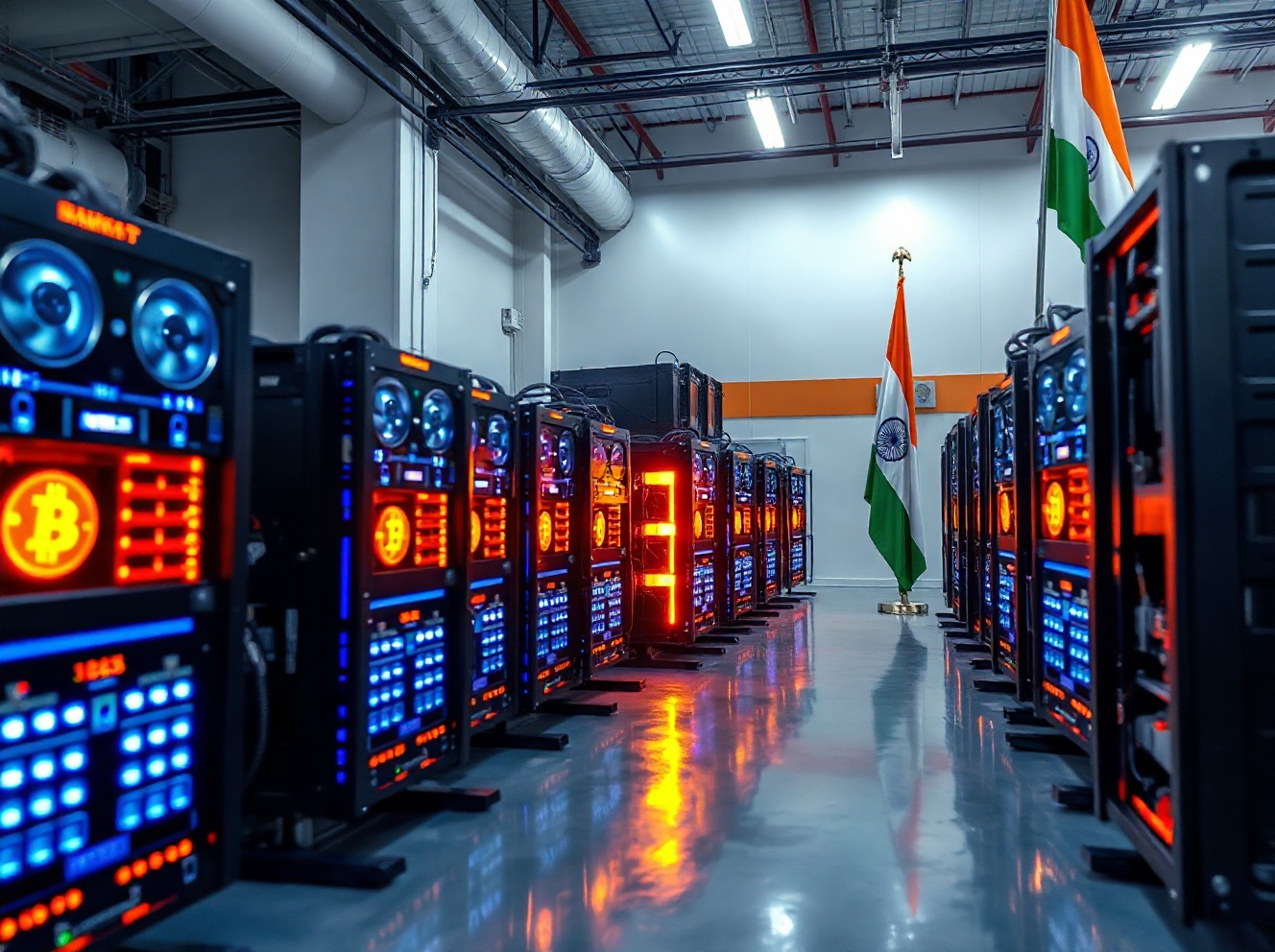
India Should Mine Bitcoin Domestically to Curb Dollar Outflow, Says Crypto Educator
A prominent Indian crypto educator has proposed that the country pivot toward domestic Bitcoin mining as a strategic alternative to restricting gold imports, arguing it could help stem the persistent outflow of U.S. dollars. Kashif Raza, founder of the crypto education platform Bitinning, outlined the idea in comments reported by BeInCrypto, suggesting that locally mined Bitcoin could serve both retail investors and the national economy.
The Gold Import Dilemma
India is one of the world’s largest gold consumers, importing between 700 and 720 tons annually. In contrast, domestic gold production stands at roughly one and a half tons per year. This massive gap creates a significant drain on foreign exchange reserves, as gold purchases are largely settled in U.S. dollars. Policymakers have historically used import duties and other curbs to manage this outflow, but Raza argues that Bitcoin mining offers a fundamentally different solution.
Bitcoin as a Domestic Asset
Unlike gold, which must be extracted from limited geological reserves, Bitcoin can be mined anywhere with access to electricity and computing hardware. Raza’s proposal envisions a model where Indian miners produce Bitcoin locally, supply it to domestic exchanges for retail investors, and export any surplus to international markets — generating dollar inflows rather than outflows. This approach, he argues, could transform a perceived regulatory challenge into an economic opportunity.
Regulatory and Tax Landscape
India has not banned cryptocurrency mining, but its tax regime remains stringent. A 30% tax applies to crypto profits, and a 1% tax deducted at source (TDS) is levied on most transactions. These measures have dampened trading volumes and mining profitability, but they have not halted activity entirely. Raza’s proposal would require no immediate change to these tax rules, though some industry observers suggest that a more favorable framework could accelerate adoption.
Why This Matters
The proposal arrives at a time when India is navigating complex global economic pressures, including a volatile rupee and shifting trade dynamics. While Bitcoin mining is energy-intensive and faces environmental scrutiny, proponents point to the growing use of renewable energy in mining operations worldwide. If India were to adopt a strategic approach — leveraging its vast solar and wind capacity — it could potentially reduce both dollar outflows and carbon emissions simultaneously.
Critics caution that Bitcoin’s price volatility and regulatory uncertainty pose risks. However, Raza’s framing shifts the conversation from crypto as a speculative asset to crypto as a tool for economic strategy. The debate is likely to intensify as India’s central bank continues to explore a digital rupee and global crypto regulations evolve.
Conclusion
Kashif Raza’s proposal to mine Bitcoin domestically as an alternative to gold import restrictions highlights a growing recognition of crypto’s potential role in national economic policy. While significant regulatory and infrastructure hurdles remain, the idea offers a fresh perspective on how India might address its dollar outflow problem without relying solely on trade barriers. The coming months will reveal whether policymakers are willing to explore this unconventional path.
FAQs
Q1: Is Bitcoin mining legal in India?
Yes, Bitcoin mining is not banned in India, though it operates under a stringent tax regime that includes a 30% tax on profits and a 1% TDS on transactions.
Q2: How does Bitcoin mining compare to gold imports in terms of dollar outflow?
Gold imports cause a direct dollar outflow because India produces very little gold domestically. Bitcoin mining, by contrast, can be done locally using domestic resources, potentially reducing the need for foreign exchange to acquire the asset.
Q3: What would happen to surplus Bitcoin mined in India?
Under Raza’s proposal, surplus Bitcoin could be exported to international exchanges, generating dollar inflows that could help offset outflows from other imports.
This post India Should Mine Bitcoin Domestically to Curb Dollar Outflow, Says Crypto Educator first appeared on BitcoinWorld.


You May Also Like

Trump Iran Agrees to Never Pursue Nuclear Weapons
DC insider shoots down 'desperate' JD Vance's presidential dreams: 'No natural skills'

Cancer patient among 100,000 red state voters who lost food aid under Trump's new law



