

Tesla (TSLA) Stock; Edges Lower as Taiwan Self-Driving Filing Sparks Caution
TLDRs;
- Tesla filed for Taiwan approval of its supervised FSD system, but regulatory delays weigh on sentiment.
- The VSCC submission is only the first step in a multi-stage approval and testing process.
- Taiwan classifies Tesla FSD as Level 2, requiring full driver attention and limiting autonomy.
- Tesla continues global expansion with FSD approved or tested across 13 countries and Japan trials.
Tesla (TSLA) shares edged slightly lower in recent trading after the company confirmed it has submitted an application to Taiwan’s Vehicle Safety Certification Center (VSCC) for its supervised Full Self-Driving (FSD) system. While the move signals continued international expansion of Tesla’s autonomous driving technology, investors appeared cautious due to the lengthy and multi-layered approval process still required before deployment.
The filing marks an early regulatory step rather than an immediate product launch. In Taiwan, the VSCC is responsible for evaluating vehicle components and full vehicle systems, meaning Tesla’s application must still pass several additional stages before approval can be granted. Market participants interpreted this as a long-dated catalyst rather than a near-term revenue driver, contributing to mild downward pressure on the stock.
Multi-Stage Approval Still Required
Despite the initial submission, Tesla still faces significant regulatory hurdles. After VSCC review, the company must also obtain clearance from Taiwan’s transport ministry to begin road testing. Only after successful testing and compliance checks can final certification be issued under Taiwan’s current regulatory framework.
Tesla, Inc., TSLA
This structured process highlights why analysts view the development as incremental rather than transformative in the short term. Tesla’s supervised FSD system is classified as Level 2 driver assistance in Taiwan, which legally requires drivers to remain fully attentive, keep their hands on the wheel, and be ready to intervene at any time.
The regulatory classification is important because it limits the system’s autonomy and places full responsibility on the driver, reducing the immediate impact of the technology on driving behavior and commercial disruption in the region.
Global FSD Expansion Continues
Even with regulatory caution in Taiwan, Tesla continues to expand its supervised autonomous driving footprint globally. The company confirmed that its FSD (Supervised) system is already available or approved in 13 countries and regions, including major markets such as the United States, China, Australia, South Korea, and several European jurisdictions.
Tesla also noted that its system is currently undergoing road testing in Japan, indicating ongoing efforts to secure broader Asia-Pacific adoption. This regional push aligns with the company’s strategy of scaling FSD availability market by market, adapting to differing regulatory frameworks and safety requirements.
The Taiwan application therefore fits into a broader pattern of steady international expansion rather than a standalone market entry.
Taiwan Market Importance Supports Long-Term Outlook
While the immediate stock reaction was subdued, Taiwan remains a strategically important market for Tesla’s regional growth. The company reportedly held a 45.8% share of Taiwan’s electric vehicle market through April 2026, making it one of its stronger competitive positions in Asia.
This dominance suggests that even incremental regulatory progress on FSD could eventually strengthen Tesla’s value proposition in the country, particularly as competition in the EV sector intensifies. However, investors appear to be weighing this long-term opportunity against near-term regulatory uncertainty and the absence of immediate commercialization timelines.
For now, the market reaction reflects a familiar theme for Tesla: optimism around autonomous driving technology balanced against regulatory complexity and uncertain rollout schedules.
The post Tesla (TSLA) Stock; Edges Lower as Taiwan Self-Driving Filing Sparks Caution appeared first on CoinCentral.


You May Also Like
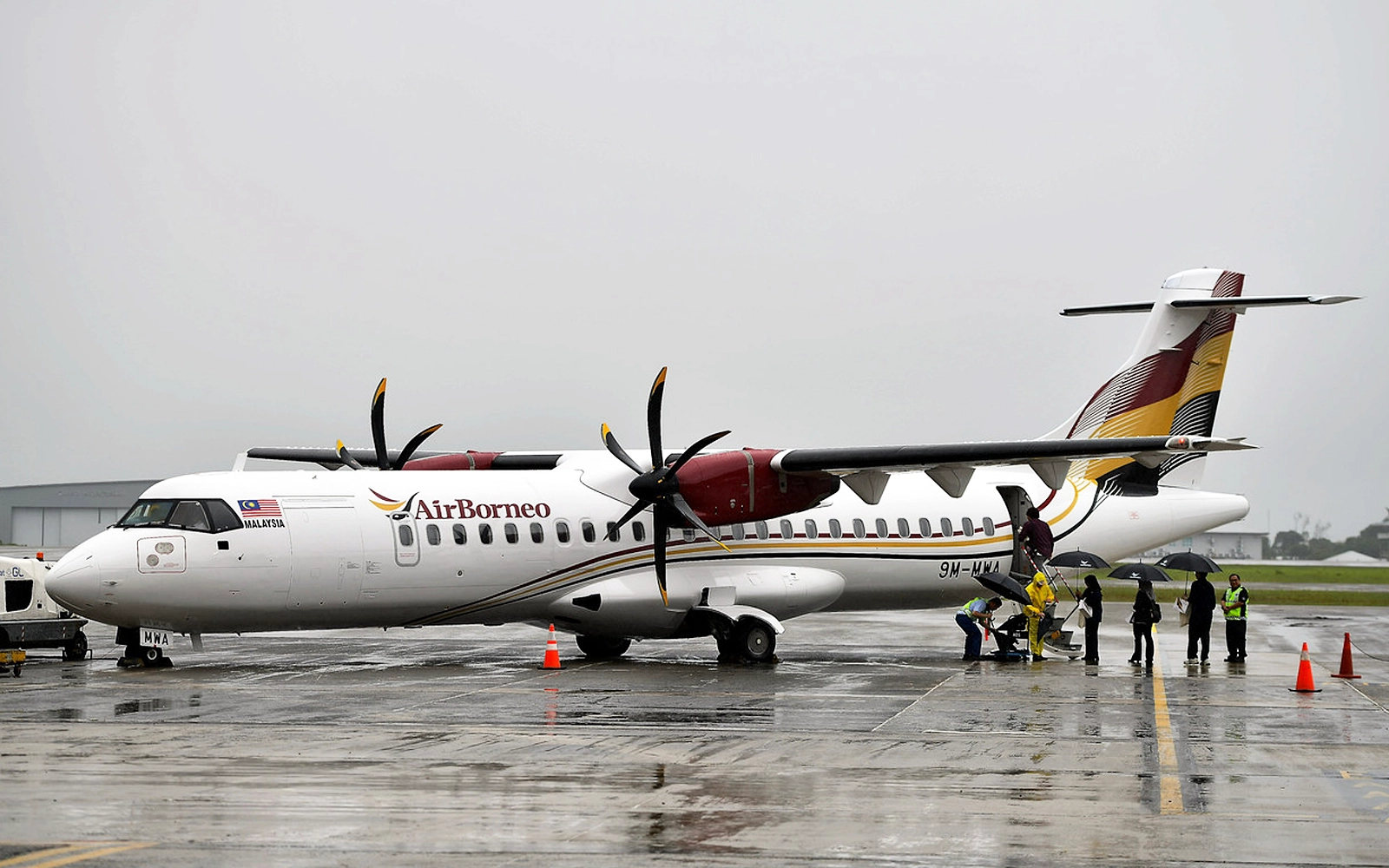
MAG working closely with AirBorneo on operational recovery

3 Reasons Investors Are Following Mutuum Finance (MUTM) Since Q1 2025
Tun Faisal dakwa sikap ‘kuku besi’ PAS semakin terserlah



