

US Regulators Seek Public Input on Derivative Definitions Amid Perpetual Futures Lawsuit
BitcoinWorld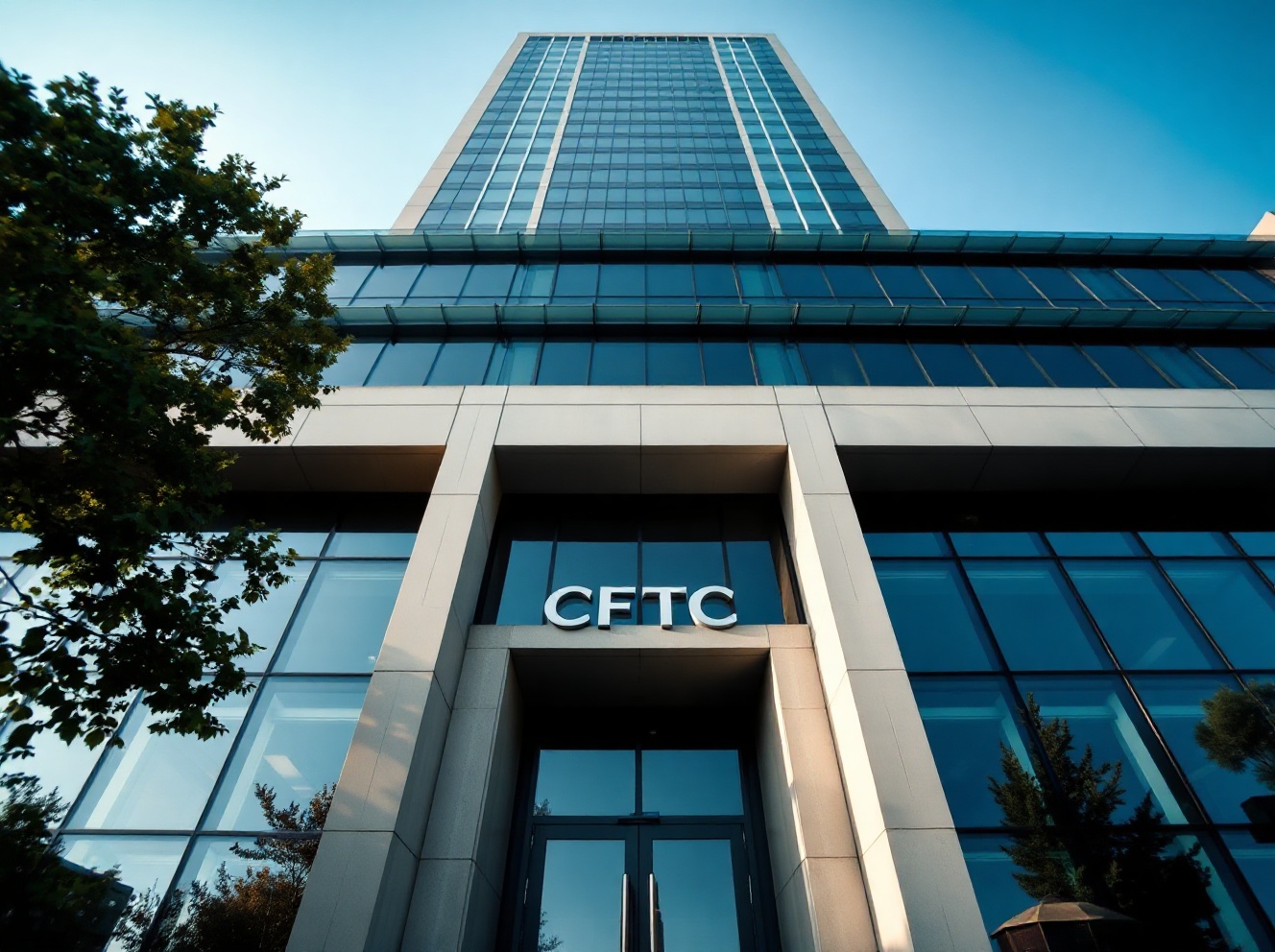
US Regulators Seek Public Input on Derivative Definitions Amid Perpetual Futures Lawsuit
The U.S. Commodity Futures Trading Commission (CFTC) and the Securities and Exchange Commission (SEC) have jointly opened a public comment period to clarify the legal definition and interpretation of derivatives, according to a report by The Block. The move comes in the midst of a lawsuit filed by CME Group challenging the CFTC’s approval of Kalshi’s perpetual futures product.
Background of the Dispute
CME Group, a major derivatives exchange, contends that perpetual futures should be classified as swaps rather than commodities. This classification is significant because it would subject the product to a different regulatory framework, potentially imposing stricter oversight and capital requirements. Kalshi, a newer exchange focused on event contracts, had received CFTC approval to list perpetual futures, which are cash-settled contracts with no expiration date.
Regulatory and Legal Implications
The CFTC has stated it will file a motion to dismiss CME Group’s lawsuit, arguing that the legal challenge runs counter to the Trump administration’s stated pro-innovation stance. The joint comment period by the CFTC and SEC signals a broader effort to establish clearer regulatory boundaries for emerging financial products. This is particularly relevant as digital asset markets continue to evolve, with products like perpetual futures gaining popularity among retail and institutional traders.
Why This Matters to Market Participants
The outcome of this legal and regulatory process could have far-reaching consequences for the derivatives market. If perpetual futures are reclassified as swaps, it could increase compliance costs for exchanges and potentially limit access for retail investors. Conversely, maintaining their status as commodities could encourage innovation but may also raise concerns about investor protection and market stability. The public comment period allows stakeholders, including exchanges, traders, and consumer advocates, to weigh in on the definitions.
Conclusion
The joint CFTC-SEC comment period represents a critical juncture in U.S. derivatives regulation. The legal challenge from CME Group underscores the tensions between established market infrastructure and new entrants. As the comment period unfolds, the industry will be watching closely for any signals on how regulators intend to balance innovation with oversight.
FAQs
Q1: What are perpetual futures?
Perpetual futures are cash-settled derivative contracts that have no expiration date, allowing traders to hold positions indefinitely. They are commonly used in cryptocurrency markets.
Q2: Why is the classification of perpetual futures important?
The classification determines which regulatory agency has authority and what rules apply. If classified as swaps, they fall under stricter CFTC rules; if commodities, they may have a lighter regulatory touch.
Q3: How can the public participate in the comment period?
The CFTC and SEC will publish details on how to submit comments through their respective websites. The comment period is open for a set number of days, typically 30 to 60 days, after the official notice is published in the Federal Register.
This post US Regulators Seek Public Input on Derivative Definitions Amid Perpetual Futures Lawsuit first appeared on BitcoinWorld.


You May Also Like

Bitget Unveils AI Agent Accounts to Enable Autonomous Crypto Trading

Adobe (ADBE) Stock; Flat to Lower as Market Reacts Cautiously to Firefly AI Upgrade

Bithumb to Delist Eclipse (ES) on July 20 Citing Insufficient Disclosures



