

Oil Flow Resumption Cools War Premium, Deutsche Bank Says
BitcoinWorld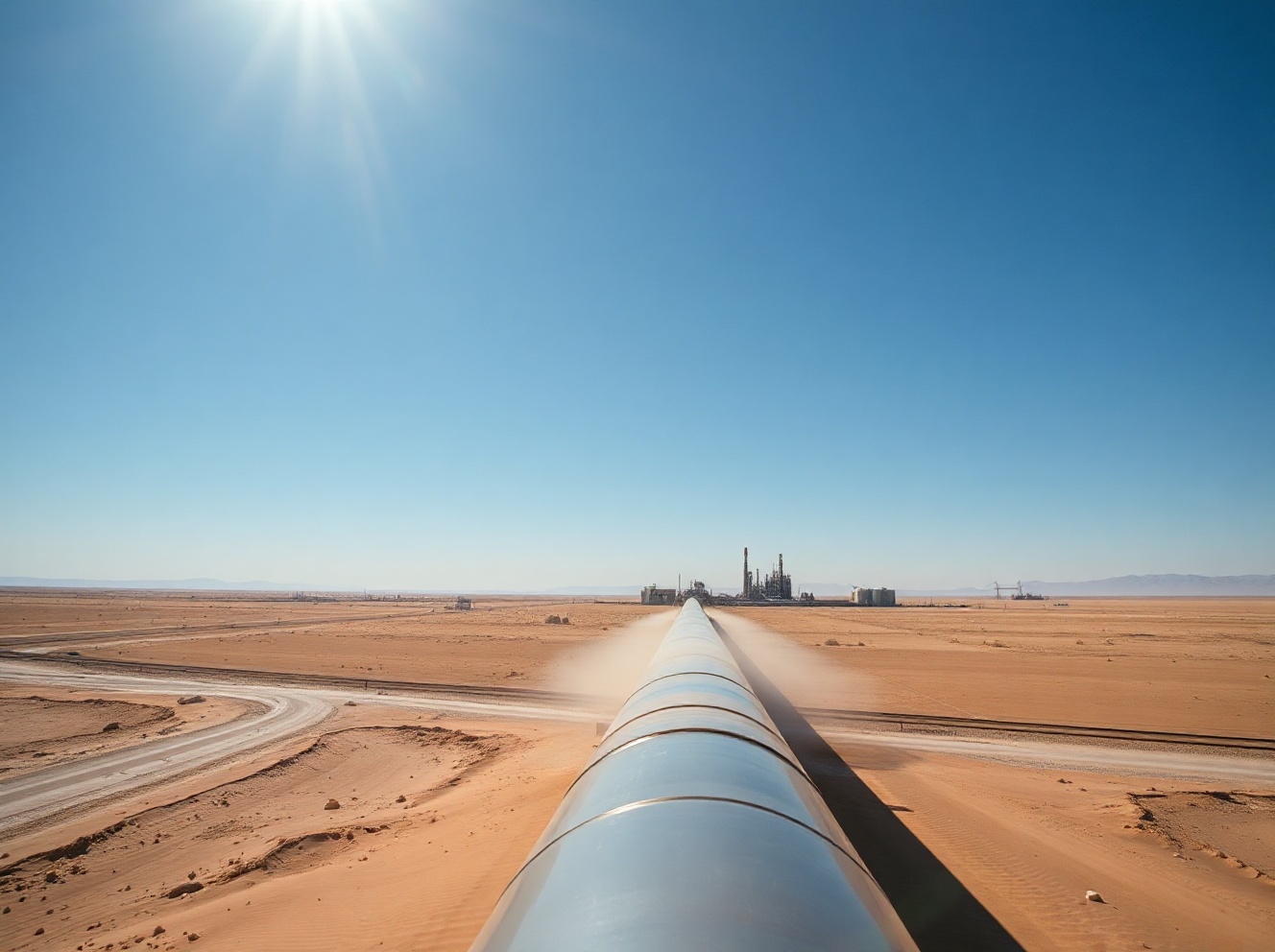
Oil Flow Resumption Cools War Premium, Deutsche Bank Says
Deutsche Bank analysts have noted that the resumption of oil flows from several key producing regions is gradually eroding the so-called war premium that has kept crude prices elevated since the onset of geopolitical tensions. In a recent research note, the bank’s commodity team highlighted that increased supply from areas previously affected by conflict or sanctions is helping to rebalance the market.
Supply Recovery Weighs on Prices
The bank’s analysis points to a measurable increase in output from regions such as parts of the Middle East and North Africa, where production had been disrupted. This additional supply is offsetting some of the risk premium that traders had baked into prices due to fears of supply disruptions. Deutsche Bank estimates that the war premium, which at its peak added several dollars per barrel, has now been reduced by roughly half.
Market Implications
For investors and consumers, the tempering of the war premium suggests that crude prices may stabilize or even decline further in the near term, barring new geopolitical shocks. Lower oil prices could ease inflationary pressures globally, particularly in import-dependent economies. However, Deutsche Bank cautions that the situation remains fluid and that any escalation in conflicts could quickly reverse the current trend.
What This Means for Traders
Futures markets have already begun pricing in a lower risk premium, with Brent crude slipping from recent highs. The bank recommends that traders monitor production data and diplomatic developments closely, as the balance between supply recovery and geopolitical risk remains fragile.
Conclusion
Deutsche Bank’s assessment provides a data-driven perspective on how real-world supply changes are influencing oil markets. While the war premium has not disappeared entirely, its reduction signals a more normalized pricing environment, offering some relief to global energy markets.
FAQs
Q1: What is the war premium in oil markets?
The war premium refers to the extra cost added to crude oil prices due to the risk of supply disruptions from conflict zones. It reflects traders’ expectations of potential production losses.
Q2: Which regions are seeing resumed oil flows?
Deutsche Bank’s note mentions increased output from parts of the Middle East and North Africa, though specific countries were not named. These regions had previously faced production halts due to conflict or sanctions.
Q3: How might this affect gasoline prices?
Lower crude oil prices typically translate to reduced costs for refined products like gasoline, though the pass-through can be delayed and depends on local refining and distribution margins.
This post Oil Flow Resumption Cools War Premium, Deutsche Bank Says first appeared on BitcoinWorld.


You May Also Like
Hong Kong Launches e-HKD Trial for Round-the-Clock Derivatives Margin Settlement

Top U.S. economist says Gold reversal is imminent
Crypto News Today: MemeToro Unveils Blockchain and Media Platform Plans as Presale Exceeds $46,000



