

Global Cyclopentane Market Set to Reach $956.8 Million by 2035, Driven by Environmental Regulations and Demand for Sustainable Insulation

The global cyclopentane market is poised for significant expansion, with projections indicating growth from $486.4 million in 2025 to approximately $956.8 million by 2035, representing a compound annual growth rate (CAGR) of 7.0%, according to a new analysis by Fact.MR. This growth is driven by stringent environmental regulations and a structural shift toward low-global-warming-potential (GWP) alternatives in key industries such as refrigeration, construction, and chemicals.
Cyclopentane, a hydrocarbon with zero ozone depletion potential (ODP) and low GWP, is increasingly favored as a foam-blowing agent in polyurethane insulation. Regulatory frameworks like the Montreal Protocol and the Kigali Amendment, which phase out high-GWP hydrofluorocarbons (HFCs) and ozone-depleting substances, are major demand drivers. The refrigeration and cold-chain sectors are primary consumers, as cyclopentane is essential for producing rigid polyurethane foams that provide thermal efficiency in refrigerators, freezers, and cold storage systems. The rapid expansion of cold-chain logistics—fueled by pharmaceuticals, food and beverage distribution, and e-commerce—is significantly amplifying demand, according to Fact.MR.
The construction sector also plays a crucial role, with green building certifications and stricter insulation standards pushing adoption of high-performance materials. Cyclopentane-blown foams offer superior thermal conductivity and environmental safety, reinforcing market stability. Asia Pacific leads consumption, driven by rapid urbanization and infrastructure growth, while North America and Europe remain hubs for regulatory compliance and innovation.
Technological advancements are mitigating historical concerns about cyclopentane’s flammability. Improvements in refining, storage, and fire-safety systems, along with automated handling processes, enable safer industrial deployment. Innovation in polyurethane foam formulations optimizes insulation performance while reducing material usage, particularly in appliance manufacturing and prefabricated construction. The emergence of high-purity (≥98%) cyclopentane grades is expanding applications into pharmaceuticals, electronics, and specialty chemicals.
Investment activity focuses on capacity expansion, technological upgrades, and regional production optimization. Manufacturers are investing in large-scale facilities to meet growing demand for eco-friendly blowing agents. Strategic expansions in European chemical plants and refining upgrades in Asia enhance supply chain resilience. Partnerships between appliance manufacturers and chemical companies foster innovation in sustainable insulation technologies, while recycling initiatives recovering cyclopentane from end-of-life appliances reflect a shift toward circular economy models.
The competitive landscape includes multinational firms like Chevron Phillips Chemical Company LLC, LG Chem, Haltermann Carless, and Yeochun NCC, which leverage production scale and regulatory compliance. Competition is increasingly shaped by product quality, safety standards, and cost efficiency. Regional manufacturers in Asia Pacific gain momentum by offering cost-effective solutions tailored to local demand.
Regulatory mandates remain the most significant growth driver. Agreements like the Montreal Protocol and Kigali Amendment enforce the transition to low-GWP substances. In Europe, the EU F-Gas Regulation accelerates phase-out of conventional refrigerants, while in the U.S., the AIM Act incentivizes sustainable alternatives. Government support through subsidies for green building projects and energy-efficient appliances indirectly boosts demand for cyclopentane-based insulation. Emerging economies invest heavily in cold-chain infrastructure for healthcare and food logistics, further strengthening demand.
Key bottlenecks include supply chain volatility due to cyclopentane’s link to crude oil derivatives, which exposes the market to raw material price fluctuations. Fluctuations in oil prices impact production costs, and global logistics disruptions can hinder chemical movement. The high flammability of cyclopentane requires specialized storage and safety infrastructure, increasing capital expenditure, particularly in emerging markets with inadequate industrial infrastructure. Competition from alternative blowing agents like hydrofluoroolefins (HFOs), which offer lower flammability, presents additional challenges despite higher costs.
Looking ahead, innovation in safety engineering, automated handling, and advanced foam technologies is expected to enhance performance and reduce environmental impact. AI-driven process optimization and advanced manufacturing systems will improve production efficiency and safety compliance. Asia Pacific will remain the dominant growth engine, supported by urbanization and appliance penetration in countries like China and India. North America and Europe will continue to lead in regulatory compliance and innovation, creating high-value opportunities for premium-grade cyclopentane applications.
According to Fact.MR, the market’s expansion toward $956.8 million by 2035 reflects strong alignment with global sustainability goals. As environmental regulations tighten and demand for energy-efficient materials accelerates, cyclopentane is positioned as a critical component in the transition toward greener industrial ecosystems, offering long-term value for stakeholders across the global supply chain. For more detailed insights, refer to the full report at Fact.MR Cyclopentane Market Report.

This news story relied on content distributed by 24-7 Press Release. Blockchain Registration, Verification & Enhancement provided by NewsRamp . The source URL for this press release is Global Cyclopentane Market Set to Reach $956.8 Million by 2035, Driven by Environmental Regulations and Demand for Sustainable Insulation.
The post Global Cyclopentane Market Set to Reach $956.8 Million by 2035, Driven by Environmental Regulations and Demand for Sustainable Insulation appeared first on citybuzz.


You May Also Like
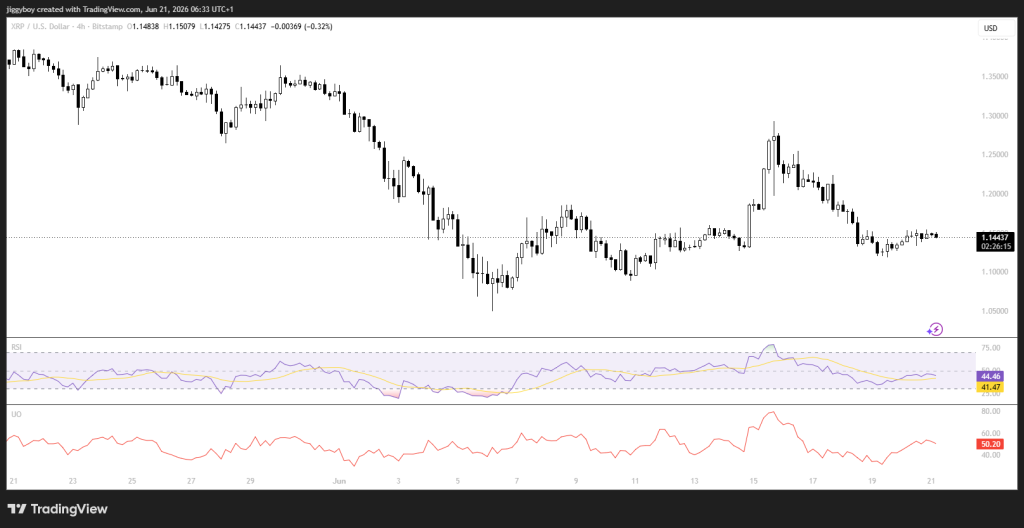
Crypto Price Prediction for Today, June 21: XRP, Ethereum (ETH), Monero (XMR)
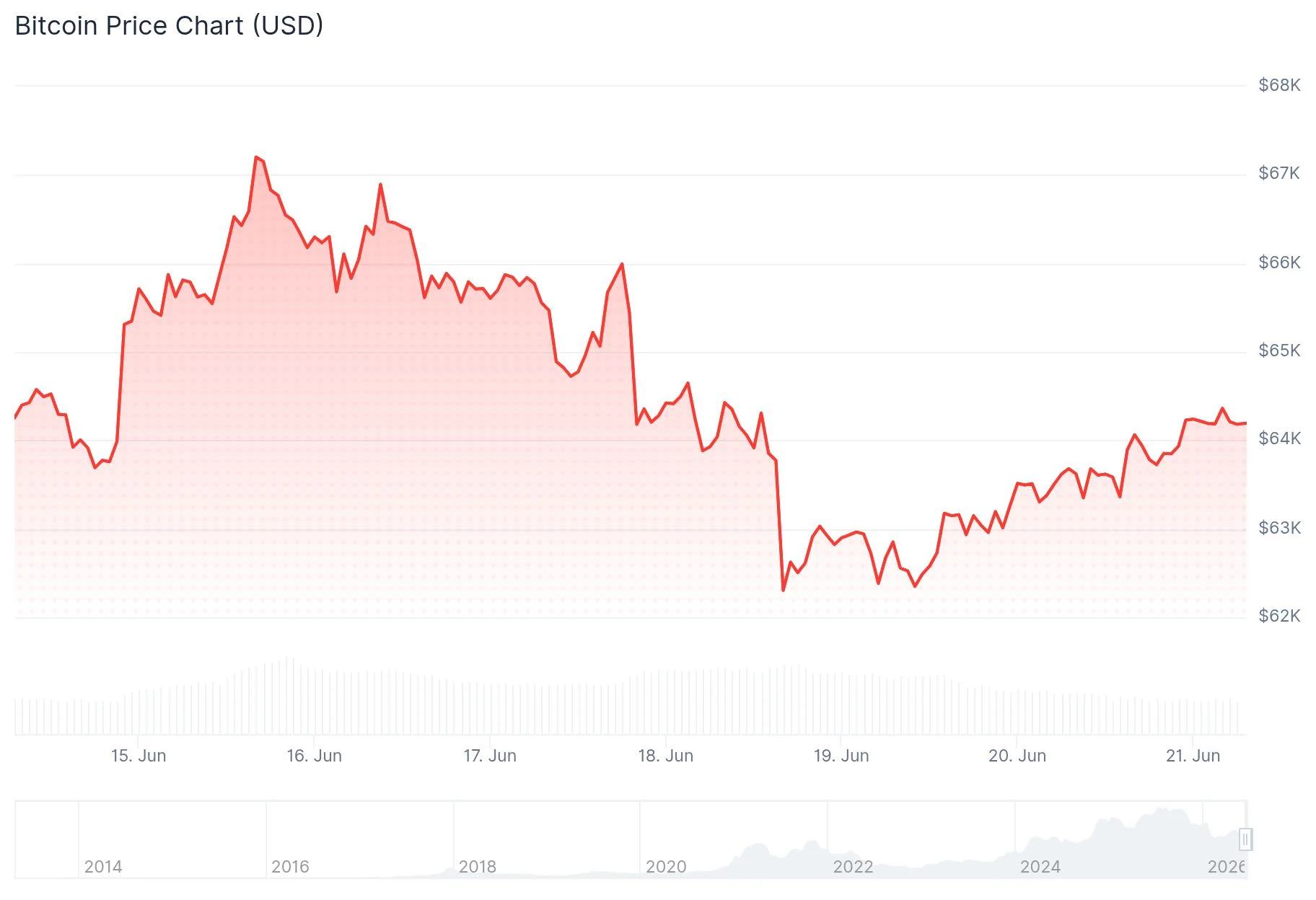
Bitcoin (BTC) Reclaims $64K Amid Switzerland Diplomacy — Critical Levels Ahead

Japan pension fund plans 1% crypto allocation in FY2026



