

Euro Slips Below 1.1450 as US-Iran Peace Deal Uncertainty Weighs on Markets
BitcoinWorld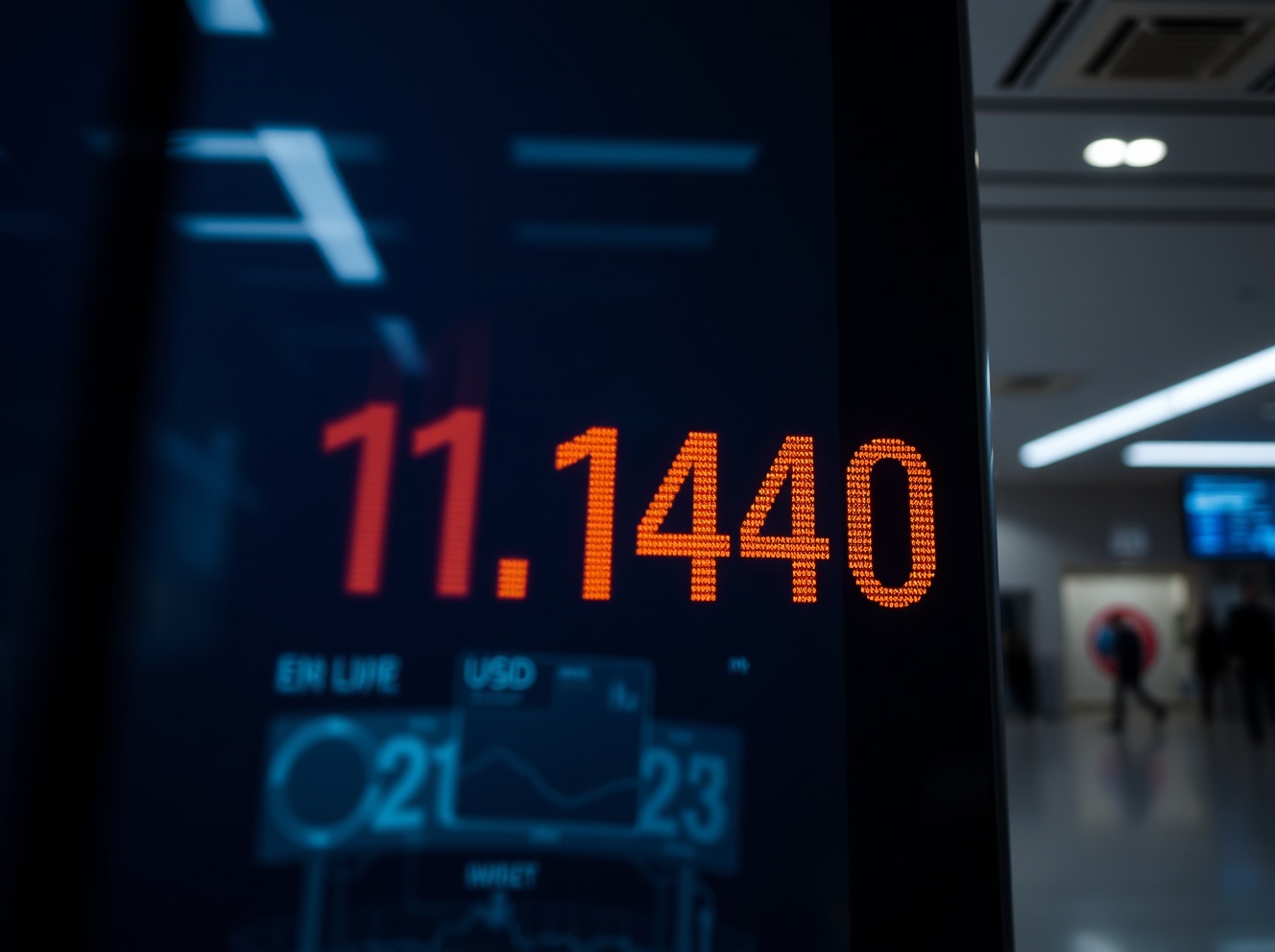
Euro Slips Below 1.1450 as US-Iran Peace Deal Uncertainty Weighs on Markets
The euro slipped below the 1.1450 mark against the U.S. dollar on Monday, extending its recent decline as renewed uncertainty surrounding a potential peace deal between the United States and Iran unsettled currency markets. The move reflects a broader risk-off sentiment, with traders seeking the relative safety of the dollar amid diplomatic tensions.
Geopolitical Developments Fuel Dollar Demand
Reports emerged over the weekend indicating that negotiations between Washington and Tehran have hit a significant roadblock, with key disagreements over nuclear enrichment and sanctions relief remaining unresolved. This development reversed earlier optimism that a breakthrough was imminent, prompting a flight to safe-haven assets. The dollar index, which measures the greenback against a basket of major currencies, rose 0.3% in early trading, putting additional pressure on the euro.
The EUR/USD pair, which had been trading in a tight range near 1.1480 late last week, broke through the 1.1450 support level during the Asian session. Analysts noted that the break was technically significant, as 1.1450 had acted as a short-term floor since mid-February.
Market Implications and Trader Sentiment
The euro’s weakness is not solely a function of geopolitical risk. The European Central Bank’s cautious stance on interest rates, coupled with sluggish eurozone economic data, has left the single currency vulnerable. However, the US-Iran uncertainty has accelerated the move lower. Currency strategists at several major banks have revised their short-term EUR/USD forecasts lower, with some now targeting the 1.1300 level if diplomatic talks stall further.
“The market had priced in a relatively smooth path toward a US-Iran agreement, which would have reduced geopolitical risk premiums. The current uncertainty is unwinding those positions,” said a senior foreign exchange analyst at a London-based brokerage. “Until there is clarity, the dollar is likely to remain bid.”
Impact on Broader Markets
The impact extended beyond currencies. European equity indices opened lower, with the Stoxx 600 down 0.5%, while oil prices edged higher on supply concerns related to potential disruptions in the Strait of Hormuz. Gold, another traditional safe haven, also gained modestly. The interconnected nature of these moves underscores the sensitivity of global markets to geopolitical headlines.
For traders and investors, the key question is whether the 1.1450 level will act as resistance if the euro attempts to recover, or whether further deterioration in US-Iran relations could push the pair toward the 1.1200 region. The coming days are likely to be driven by diplomatic headlines rather than economic data.
Conclusion
The euro’s decline below 1.1450 highlights how geopolitical uncertainty can rapidly shift currency market dynamics. While the eurozone’s own economic challenges remain a factor, the immediate catalyst is the stalled US-Iran peace process. Traders should monitor diplomatic channels closely, as any signs of progress could trigger a sharp reversal, while a continued stalemate may deepen the euro’s losses.
FAQs
Q1: Why did the euro fall below 1.1450?
The euro weakened primarily due to uncertainty over a US-Iran peace deal, which increased demand for the safe-haven U.S. dollar and pushed the EUR/USD pair below the key support level of 1.1450.
Q2: What is the significance of the 1.1450 level for EUR/USD?
The 1.1450 level had acted as a technical support floor since mid-February. Breaking below it signals potential further downside, with traders now watching the next support near 1.1300.
Q3: How might the US-Iran situation affect other markets?
Beyond currencies, the uncertainty has boosted safe-haven assets like gold and the dollar, pressured European equities, and supported oil prices due to potential supply disruption risks in the Middle East.
This post Euro Slips Below 1.1450 as US-Iran Peace Deal Uncertainty Weighs on Markets first appeared on BitcoinWorld.


You May Also Like
Goldman hints at Fed’s next interest-rate bet under Warsh

Lindsay Corporation (LNN) Stock: Q2 Earnings Miss as Sales Tumble 16% Year-Over-Year
New Bitcoin Wallet Withdraws $104M from Binance, Signaling Long-Term Holding Intent



