

WTI Holds Near $71.50 After Cargo Vessel Struck Near Oman
BitcoinWorld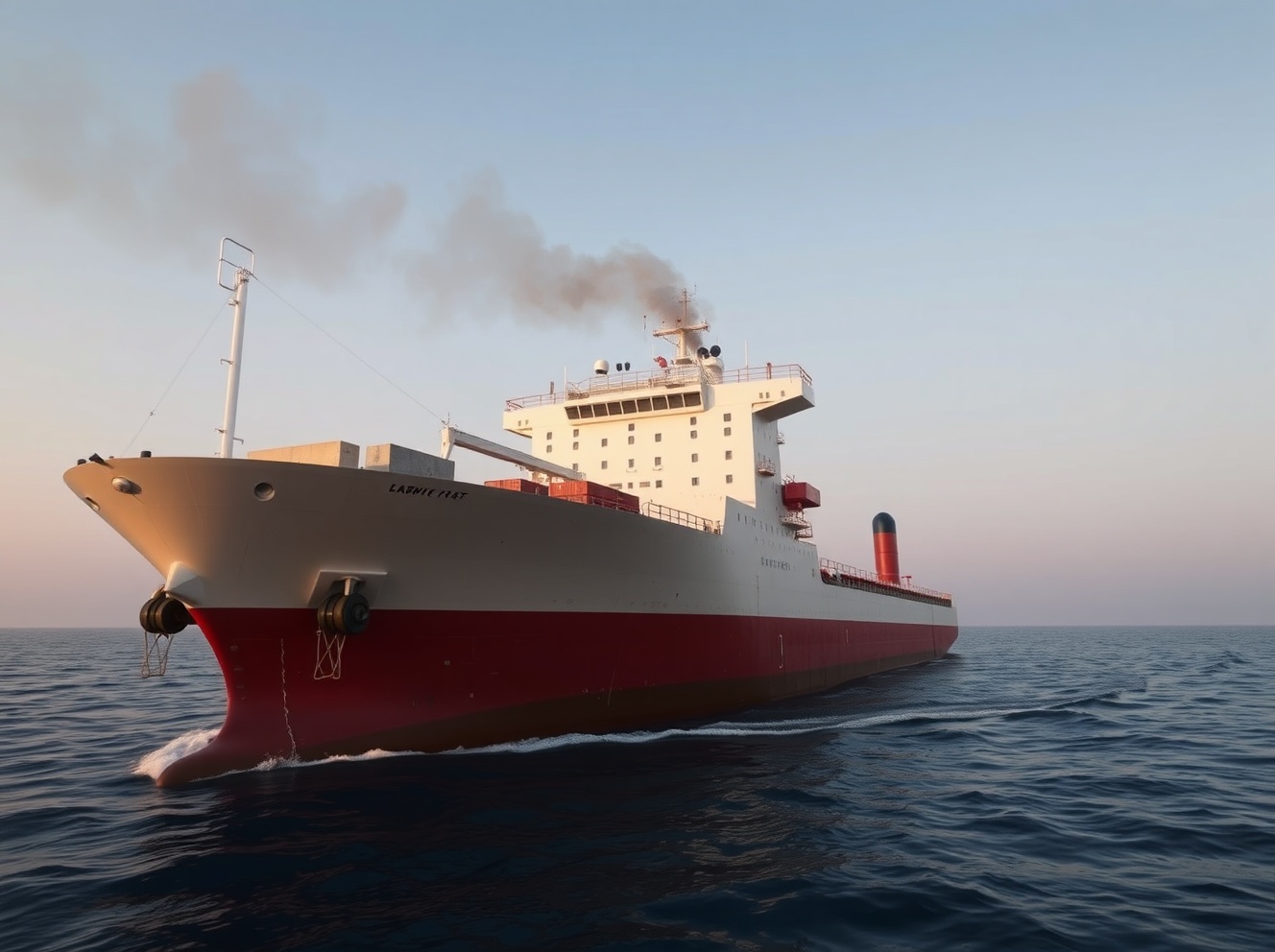
WTI Holds Near $71.50 After Cargo Vessel Struck Near Oman
West Texas Intermediate (WTI) crude oil futures maintained gains near the $71.50 per barrel mark on Wednesday, following reports that a cargo vessel was struck by an unidentified projectile off the coast of Oman. The incident, which occurred in the Gulf of Oman, has reintroduced a geopolitical risk premium into oil markets, prompting traders to reassess supply security in a critical global chokepoint.
Details of the Maritime Incident
According to maritime security firms and initial reports, a commercial vessel transiting the Gulf of Oman was hit near the port of Sohar. The cause of the strike remains unconfirmed, with investigations underway. The area is a vital transit route for crude oil and liquefied natural gas (LNG) shipments from the Middle East to Asian and Western markets. Any disruption in this corridor can have immediate effects on global energy prices.
Market Reaction and Price Support
The news provided a floor for WTI prices, which have been under pressure from concerns about global demand and rising supply from non-OPEC producers. The $71.50 level represents a key technical support zone, and the geopolitical news has helped prevent a sharper decline. Brent crude, the international benchmark, also saw a corresponding uptick. The market is now weighing the potential for further escalation against broader economic headwinds.
Why This Matters for Energy Markets
For traders and energy analysts, the strike near Oman is a reminder of the persistent fragility of supply chains in the Middle East. Even a temporary disruption can lead to higher shipping insurance costs and longer transit times if vessels avoid the area. For consumers, while a single incident may not immediately alter retail fuel prices, sustained geopolitical tension in the region could contribute to higher volatility and upward pressure on crude costs in the coming weeks.
Conclusion
WTI crude oil is holding its ground near $71.50 as the market digests the implications of the vessel strike near Oman. While the full facts are still developing, the event has injected a fresh dose of uncertainty into an already complex supply-demand picture. Traders will be watching for official statements from maritime authorities and any signs of broader regional instability that could further tighten supply.
FAQs
Q1: Why did the vessel strike near Oman cause oil prices to rise?
Oil prices rose because the Gulf of Oman is a critical transit route for global crude shipments. Any attack on a vessel in this area raises concerns about potential supply disruptions, leading traders to price in a higher risk premium.
Q2: Is this incident likely to cause a sustained increase in oil prices?
That depends on whether the situation escalates. If it is an isolated incident and shipping resumes normally, the price bump may be temporary. However, if it leads to increased military tensions or shipping companies reroute vessels, supply could be meaningfully tightened, supporting higher prices.
Q3: How does this event affect retail gasoline prices?
Immediate effects on gasoline prices are unlikely. However, if crude oil prices remain elevated or rise further due to sustained geopolitical risk, the cost of crude—which is the main component of gasoline—will eventually translate into higher prices at the pump.
This post WTI Holds Near $71.50 After Cargo Vessel Struck Near Oman first appeared on BitcoinWorld.


You May Also Like

Neymar Net Worth 2026: Salary, Endorsements, Santos Contract, Career Earnings and World Cup Impact

AAVE Price Jumps Over 10% as Aave V4 Deposits Boost Bullish Sentiment

Globalstar (GSAT) Stock Surges 15% on Amazon Acquisition Report



