

Trump signed two executive orders to boost quantum computing, aims to prepare critical systems for cyber threats
US President Donald Trump has signed two executive orders aimed at expanding the country’s quantum computing capabilities and preparing critical systems to withstand future cyber risks. These orders are being closely watched by the cryptocurrency sector, as debates intensify over the possibility that encryption methods safeguarding blockchain networks could ultimately be challenged by advanced quantum computers.
Quantum step and implications for crypto
While current quantum computers do not yet have the capacity to break blockchain encryption, officials are emphasizing proactive preparations by governments to address this risk before it becomes reality. The United States’ early initiative could also accelerate similar readiness efforts within the crypto industry, prompting companies and developers to rethink their security approaches.
Mini glossary: Post-quantum cryptography refers to a new generation of encryption methods designed to remain secure even once highly powerful quantum computers are developed. This field is considered critical not only for financial infrastructure and public systems, but also for the digital assets ecosystem.
Trump, serving as the 47th US president, is drawing attention with policies that have long-term consequences. The new measures are reigniting security concerns in the crypto asset industry, where the future architecture of resilience is again in focus.
Bitcoin options market faces pressure
Another focus for markets is the $10 billion Deribit options expiration for Bitcoin set to occur today, regarded as one of the year’s largest settlement dates. This event is expected to add extra short-term pressure on traders as they navigate the potential volatility.
Despite this, 21Shares is maintaining its year-end target of $100,000 for Bitcoin. The company views the recent correction—a steep drop from last year’s high—as a typical part of post-halving market cycles.
| Title | Data |
|---|---|
| Deribit option expiry | $10 billion, June 26, 2026 |
| 21Shares year-end target | $100,000 |
| Pullback from peak | 50% |
Regional expansion and regulatory scrutiny
In the Middle East, Bahrain-based fintech firm Infinios and Circle have signed a strategic partnership to expand stablecoin payments across the region. Circle, known for issuing the USDC stablecoin, continues to cement its role in digital payment infrastructure globally.
Conversely, CoinEx has come under investigation following a report alleging that Iran-linked entities had used the platform to transfer billions of dollars worth of crypto assets in recent years. These revelations are raising further questions about risk oversight at the exchange.
Corporate balance sheets and Asian market data
On-chain analytics company CryptoQuant has cautioned that Strategy may need to take a more cautious approach to Bitcoin acquisitions. Increasing dividend obligations and shrinking cash reserves are adding pressure to the company’s financial outlook under CEO Michael Saylor.
In South Korea, the volume of overseas transfers made via cryptocurrency has outpaced traditional banks, rising 380% over the last three years. Meanwhile, a sharp selloff in tech stocks has driven the country’s stock exchange down more than 10%, stoking concerns about market fragility in Asia.
Elsewhere, it’s reported that the Bank of England is proposing to ease stablecoin regulations, while the Bank of Japan monitors artificial intelligence-driven economic growth alongside rising energy costs. Animoca Brands has invested in AllScale to advance stablecoin payment options and AI-powered trading. Additionally, following a community-led migration to Solana, Unicorn has posted gains, whereas MemeCore has lost over 64% in value this week.
The post Trump signed two executive orders to boost quantum computing, aims to prepare critical systems for cyber threats appeared first on COINTURK NEWS.


You May Also Like

Why Investors Still Look at the Dow Jones First
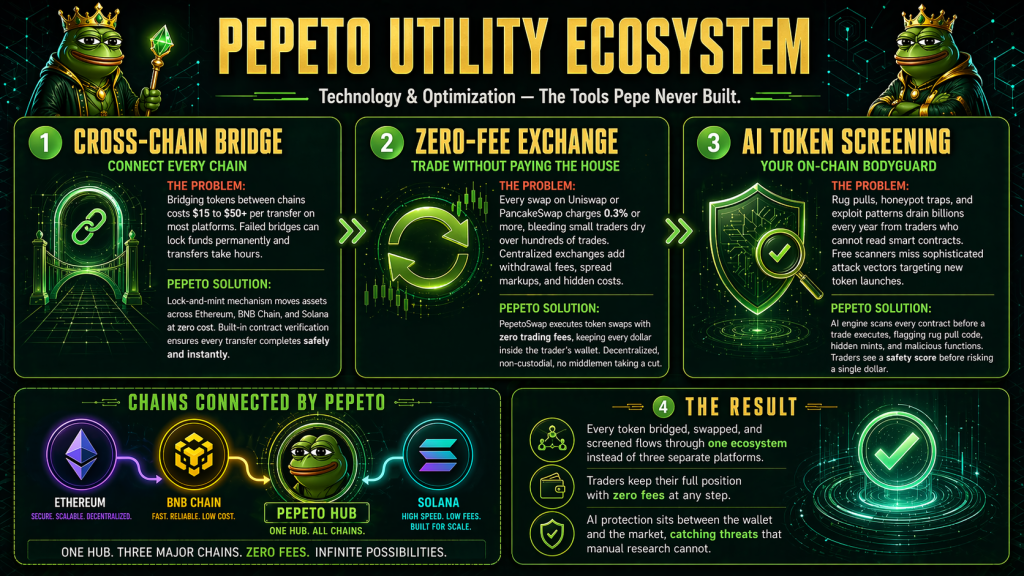
Crypto Update: $10.6 Billion in Bitcoin Options Expire as Pepeto Exchange Outperforms While DOGE Stalls

Japanese Tech Giant’s Ambitious Bitcoin Accumulation



