U.S. and Iran Agree to Halt Attacks, Plan Diplomatic Talks This Week
BitcoinWorld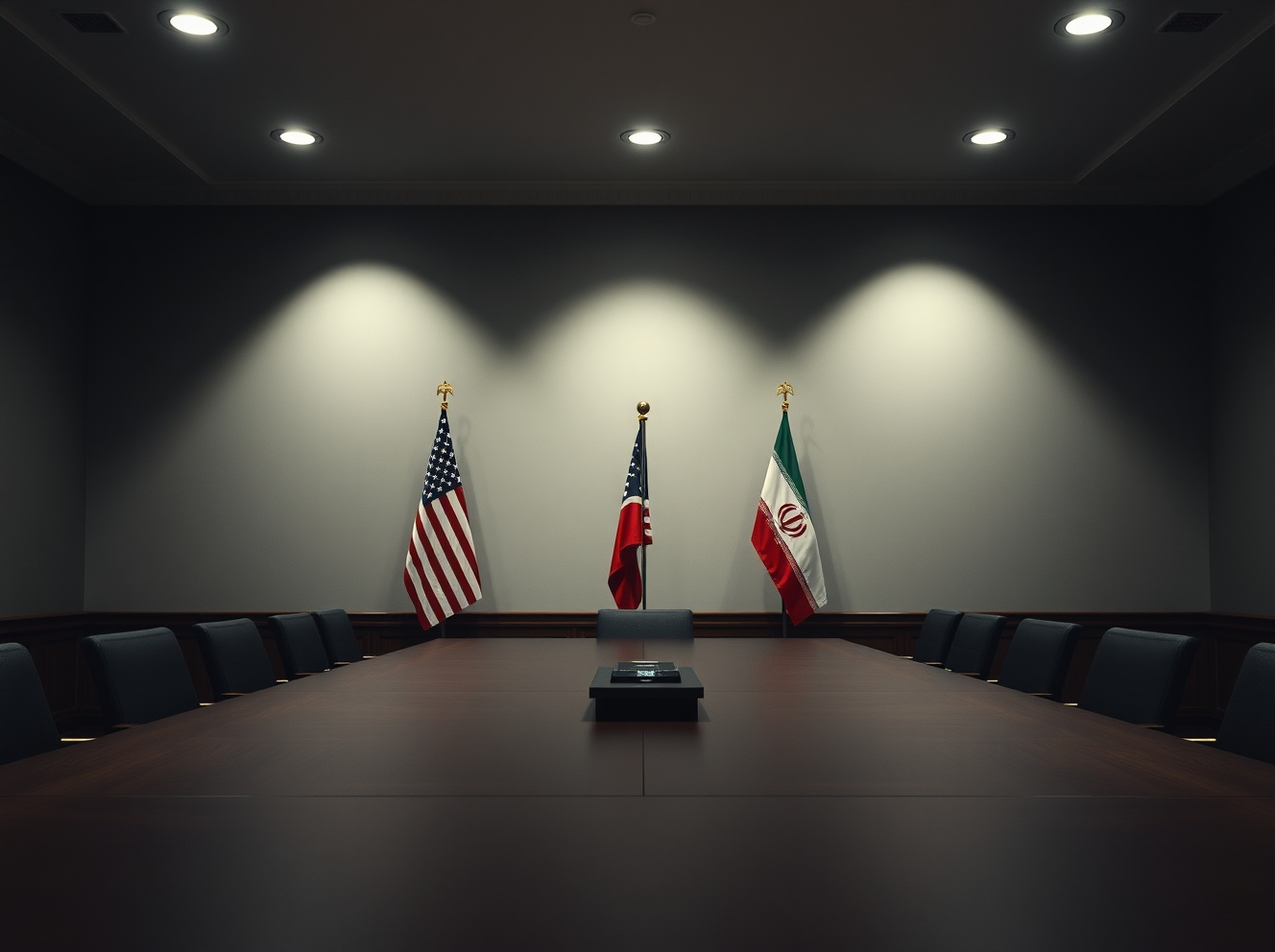
U.S. and Iran Agree to Halt Attacks, Plan Diplomatic Talks This Week
In a significant diplomatic development, the United States and Iran have reportedly agreed to halt mutual attacks and are scheduled to hold direct talks this week, according to a report from Axios citing U.S. officials. The agreement marks a potential de-escalation in a period of heightened military tensions between the two nations, which have been engaged in a cycle of retaliatory strikes and proxy conflicts across the Middle East.
Background and Immediate Context
The reported agreement comes after weeks of escalating hostilities, including drone strikes, cyberattacks, and attacks on commercial shipping in the Persian Gulf. While official details remain sparse, the decision to pause military actions and enter negotiations suggests a mutual recognition of the risks of a broader regional war. The talks are expected to cover a range of issues, including Iran’s nuclear program, regional security, and the status of ongoing proxy conflicts in Yemen, Syria, and Iraq.
What This Means for Regional Stability
If confirmed, this diplomatic channel could represent the most direct engagement between Washington and Tehran since the collapse of the 2015 nuclear deal, formally known as the Joint Comprehensive Plan of Action (JCPOA). The halt in attacks would provide a critical window for negotiations, though both sides have historically maintained deep mistrust. Analysts caution that the talks are preliminary and face significant obstacles, including disagreements over uranium enrichment levels and the removal of sanctions.
Market and Geopolitical Implications
The news has already influenced global oil markets, with crude prices experiencing a slight decline on expectations of reduced supply disruptions. For investors and policymakers, the development signals a potential shift away from confrontation toward a more predictable diplomatic framework. However, the fragility of the agreement means that any breakdown in talks could quickly reverse the current calm, leading to renewed volatility in energy and defense sectors.
Conclusion
The U.S.-Iran agreement to halt attacks and hold talks represents a pivotal moment in Middle Eastern geopolitics. While the path forward remains uncertain, the decision to engage diplomatically offers a rare opportunity to address long-standing grievances through negotiation rather than conflict. Readers should watch for official statements from both governments and the outcomes of this week’s discussions, which could set the tone for regional security in the months ahead.
FAQs
Q1: What prompted the U.S. and Iran to agree to halt attacks?
The decision follows an escalation of direct and proxy confrontations, with both sides recognizing the growing risk of a full-scale regional war. Diplomatic backchannels and international pressure likely contributed to the agreement.
Q2: What topics are expected to be discussed in the talks?
The talks are expected to cover Iran’s nuclear program, regional security issues, the status of proxy forces, and potential sanctions relief. The scope may expand depending on initial progress.
Q3: How reliable is the reporting on this development?
The information comes from Axios, citing unnamed U.S. officials. While the report is credible, details remain unconfirmed by official government statements, and the situation is subject to rapid change.
This post U.S. and Iran Agree to Halt Attacks, Plan Diplomatic Talks This Week first appeared on BitcoinWorld.
You May Also Like
Pi2Day 2026: New Releases Drop as Open Letter Asks ‘Where Is the $100 Million Going?’

Altcoin Sherpa Shares $ANSEM in New Portfolio — And What It Signals

Bitcoin & Ethereum Inflows Hit 1-Year Low as Crypto Investors Brace for Fed Decision – BTC Eyes $120K