Ukraine Takes Control of $8.3M in USDT in Historic Crypto Seizure
Key highlights:
- Ukraine has taken control of $8.3 million worth of USDT, marking the first time the country has successfully assumed ownership of seized cryptocurrency assets.
- The development represents a significant milestone for Ukraine's digital asset enforcement framework and could establish a precedent for future crypto seizures.
- The move highlights the growing role of stablecoins in law enforcement investigations and asset recovery efforts worldwide.
Ukraine takes ownership of seized crypto assets for the first time
Ukraine has officially assumed control of $8.3 million in Tether's USDT, marking the first known instance of the country's authorities taking possession of confiscated cryptocurrency assets.
The transfer follows a court-approved asset seizure process and represents a landmark moment for Ukraine's evolving digital asset regulatory framework.
While governments around the world have seized Bitcoin and other cryptocurrencies for years, stablecoins present unique legal and operational challenges because they are issued by centralized entities that can freeze and reassign assets when requested by law enforcement.
The successful transfer demonstrates Ukraine's growing ability to coordinate with crypto companies and enforce court rulings involving digital assets.
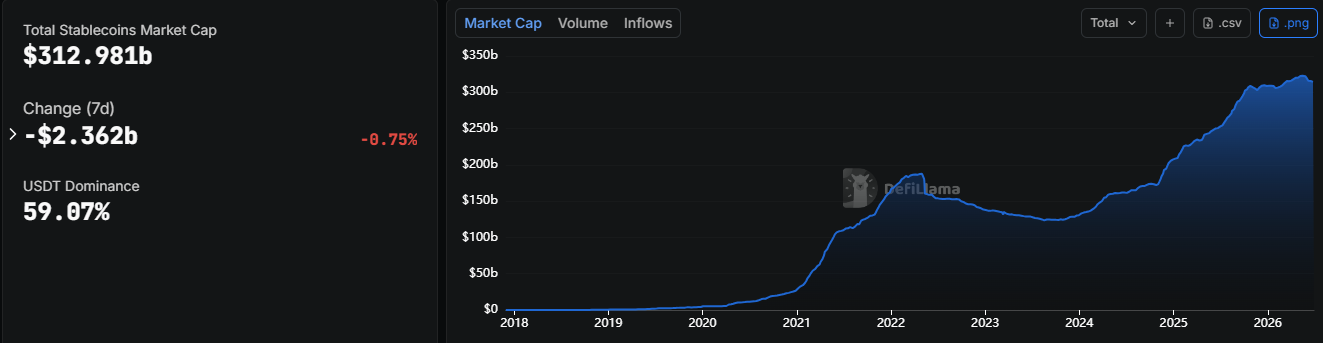
Stablecoins are becoming a key law enforcement tool
The seizure underscores how stablecoins have become increasingly important in financial crime investigations.
Unlike decentralized cryptocurrencies such as Bitcoin, issuers of centralized stablecoins can freeze wallet addresses and assist authorities in recovering funds linked to criminal activity.
Tether has repeatedly cooperated with law enforcement agencies around the world, freezing hundreds of millions of dollars linked to sanctions violations, fraud, hacks, and illicit financial activity.
The latest case demonstrates how that capability can help governments not only freeze assets but also successfully transfer ownership after legal proceedings conclude.
As stablecoin adoption continues expanding, similar enforcement actions are expected to become more common.
Ukraine continues expanding its crypto framework
The development comes as Ukraine continues strengthening its digital asset infrastructure.
The country has emerged as one of the most active jurisdictions in Eastern Europe when it comes to cryptocurrency adoption, regulation, and blockchain-related initiatives.
Since the start of the war, crypto assets have played a notable role in fundraising efforts, humanitarian support, and financial transfers. Ukrainian authorities have also worked to modernize legal frameworks governing digital assets and improve their ability to investigate blockchain-based crimes.
The successful transfer of seized USDT may serve as an important precedent for future enforcement actions involving digital assets. The developments could also provide lawmakers with a practical example of how crypto-related asset forfeiture can function within the country's legal system.
Governments are becoming major crypto holders
Ukraine's acquisition of the seized USDT reflects a broader trend unfolding across the crypto industry.
Governments are increasingly becoming significant holders of digital assets through seizures, forfeitures, and enforcement actions. The United States, United Kingdom, Germany, and China have all accumulated substantial crypto reserves through confiscations tied to criminal investigations.
Unlike previous years, authorities are now dealing with a wider range of assets that includes stablecoins, tokenized assets, and decentralized finance holdings.
The expansion creates new challenges around custody, liquidation, and regulation.
For Ukraine, the immediate significance lies in the precedent.
The country has demonstrated that seized digital assets can move beyond frozen wallets and ultimately enter state control through established legal channels.
As crypto adoption grows, that process is likely to become increasingly important for governments around the world.


You May Also Like

France vs Sweden Head-to-Head: Previous Meetings, Record, History and World Cup 2026 Context

Metaplanet buys 5,075 Bitcoin in Q1 to become 3rd-largest treasury