Tether Freezes USDT Wallets Tied to ISIS-K — Total Hits $4.4B
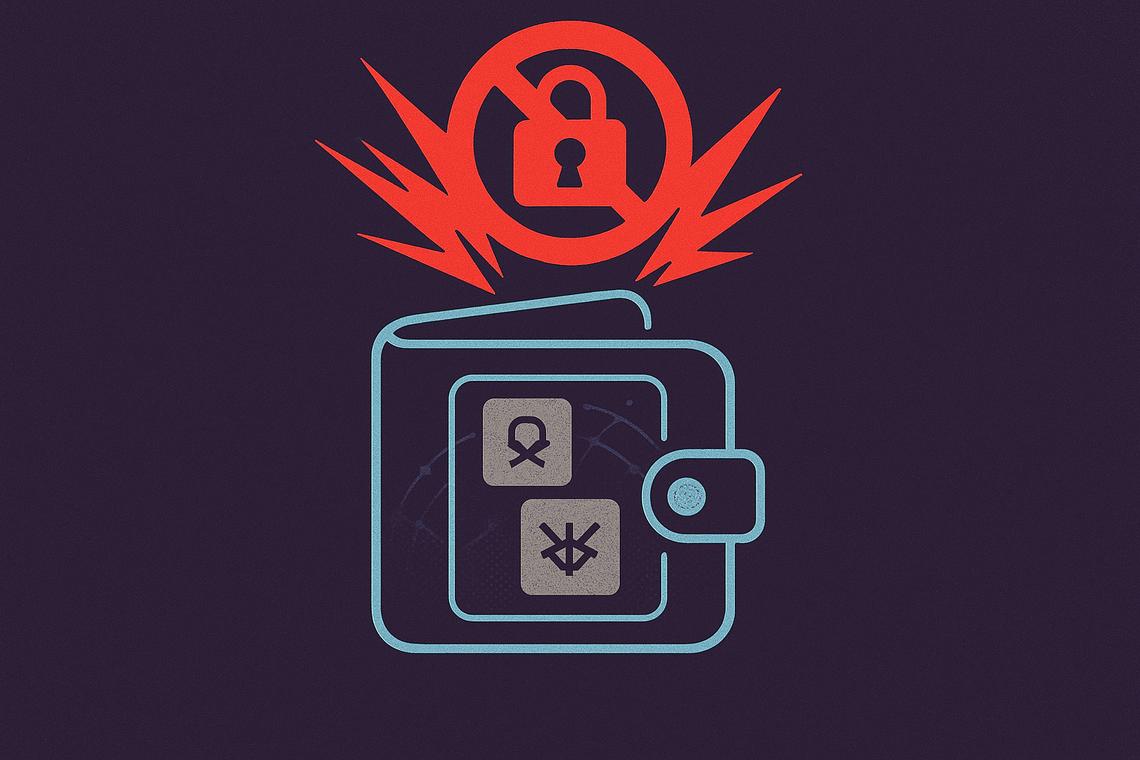
When U.S. authorities updated their sanctions list to include 134 cryptocurrency wallet addresses tied to ISIS-K, Tether moved fast. The stablecoin giant froze USDT wallets across all 131 TRON addresses on that list — a direct enforcement response that shows how deeply stablecoin issuers have become embedded in the machinery of global financial sanctions.
Key takeaways
- Tether froze USDT balances in 131 TRON wallets after OFAC designated them as linked to ISIS-K terrorism financing.
- OFAC’s updated sanctions list covers 134 crypto addresses: 131 on TRON and 3 Monero addresses.
- Blockchain analytics firm Chainalysis reported the sanctioned TRON wallets received over $1.4 million and transferred more than $880,000 since 2023.
- ISIS-K used TRON, Monero, and Bitcoin — often through its media arm, al-Azaim Media Foundation — to solicit crypto donations online.
- Tether has now frozen more than $4.4 billion in digital assets since beginning its collaboration with law enforcement agencies.
Tether Freezes USDT in 131 TRON Wallets Linked to ISIS-K
The U.S. Department of the Treasury’s Office of Foreign Assets Control (OFAC) expanded its ISIS-K designation to include 134 cryptocurrency wallet addresses — a mix of 131 TRON addresses and 3 Monero addresses believed to be connected to the group’s financial network. Tether’s response was immediate: USDT balances across all 131 sanctioned TRON wallets were frozen.
ISIS-K, the Islamic State’s affiliate operating across Afghanistan, Pakistan, and parts of Central Asia, has a documented history of using digital assets to fund operations. Its media arm, al-Azaim Media Foundation, ran online campaigns soliciting donations in TRON, Monero, and Bitcoin — building a diversified crypto fundraising apparatus that regulators have now moved to dismantle.
What the Blockchain Data Reveals
According to Chainalysis, the 131 newly sanctioned TRON wallets received more than $1.4 million since 2023 and transferred over $880,000 during the same period. Those aren’t enormous sums by crypto market standards, but they represent real operational financing for a designated terrorist organization.
What makes the picture more concerning: some of these wallets had already interacted with mainstream crypto services and, in several cases, routed funds to cryptocurrency exchangers based in Syria. That trail suggests a deliberate effort to layer and cash out funds through regional off-ramps — a tactic regulators are increasingly alert to.
Why Monero Was Also Targeted
Three of the 134 sanctioned addresses are Monero wallets. Monero’s privacy-first architecture — which obscures sender, receiver, and transaction amount — makes it a natural fit for actors seeking to evade tracking. Unlike TRON, however, Tether has no ability to freeze Monero holdings; those addresses were listed by OFAC as a designation rather than an actionable freeze, reflecting the technical limits of sanctions enforcement on privacy coins.
Financial Flows and Cryptocurrency Use by ISIS-K
The group’s reliance on multiple cryptocurrencies reflects a calculated diversification strategy. TRON-based USDT offered speed and low fees for moving stable value. Bitcoin provided access to a global liquidity pool. Monero offered obscurity. Together, these assets gave ISIS-K a layered financial toolkit — and each layer presented different enforcement challenges.
That diversification also explains why OFAC’s action targeted 134 addresses rather than a single asset class. Regulators are tracking the full ecosystem of the group’s crypto activity, not just the most visible part of it.
Tether’s Expanding Compliance and Enforcement Role
The ISIS-K freeze didn’t happen in isolation. Just days earlier, Tether had blocked $344 million in USDT held across two TRON wallets flagged by U.S. authorities for suspected illicit activity — one of the company’s largest single compliance operations on record.
Since Tether began cooperating with law enforcement, it has frozen more than $4.4 billion in digital assets in total — approximately $2.1 billion of which came at the direct request of U.S. agencies. The company now supports more than 2,300 investigations involving 340 agencies across 65 countries.
Why Stablecoin Issuers Have Become Enforcement Partners
This is where the story gets structurally significant. Public blockchains are transparent by design — every transaction is traceable. But transparency alone doesn’t stop illicit transfers. What actually stops them is the ability to freeze assets at the issuer level, and that power sits exclusively with centralized stablecoin issuers like Tether.
In practice, this means USDT on TRON functions less like anonymous cash and more like a bank account — one that can be locked by the issuer when regulators call. For the broader crypto ecosystem, this dynamic is a double-edged reality: it enables genuine compliance enforcement against actors like ISIS-K, but it also concentrates a significant degree of financial control in a single private company. The ISIS-K case illustrates both sides of that equation clearly. Financial institutions and virtual asset service providers are now expected to update their sanctions screening systems to reflect OFAC’s newly listed addresses — meaning the compliance obligation extends well beyond Tether itself.
FAQ
Why did Tether freeze USDT in these TRON wallets?
Tether froze USDT in 131 TRON wallets after the U.S. Treasury’s OFAC sanctioned those addresses for their links to ISIS-K terrorism financing. The freeze was a direct response to OFAC’s updated designation of 134 cryptocurrency wallet addresses connected to the group’s financial activities.
What cryptocurrencies has ISIS-K used for fundraising?
ISIS-K has used multiple cryptocurrencies for fundraising, including TRON-based USDT, Monero, and Bitcoin. Its media arm, al-Azaim Media Foundation, solicited crypto donations through online campaigns using all three assets.
How much has Tether frozen in total due to compliance efforts?
Tether has frozen more than $4.4 billion in digital assets since beginning its collaboration with law enforcement authorities, including approximately $2.1 billion tied to requests from U.S. agencies.
What is the role of stablecoin issuers like Tether in enforcing sanctions?
Stablecoin issuers can freeze token balances when wallet addresses are linked to sanctioned entities or criminal investigations. Because USDT is a centrally issued asset, Tether retains the technical ability to lock funds on public blockchains like TRON, making it a functional enforcement partner for regulators targeting illicit crypto activity.
Article produced with the assistance of artificial intelligence and reviewed by the editorial team.


You May Also Like
Justice Department has 'gone off the rails' for Trump's 'pretzel logic': analysis
Securitize Tokenizes $295M of Its Own Stock on Solana and Avalanche After NYSE Debut