Euro Stays Below 1.1400 Near Yearly Lows Despite Upbeat German Retail Sales
BitcoinWorld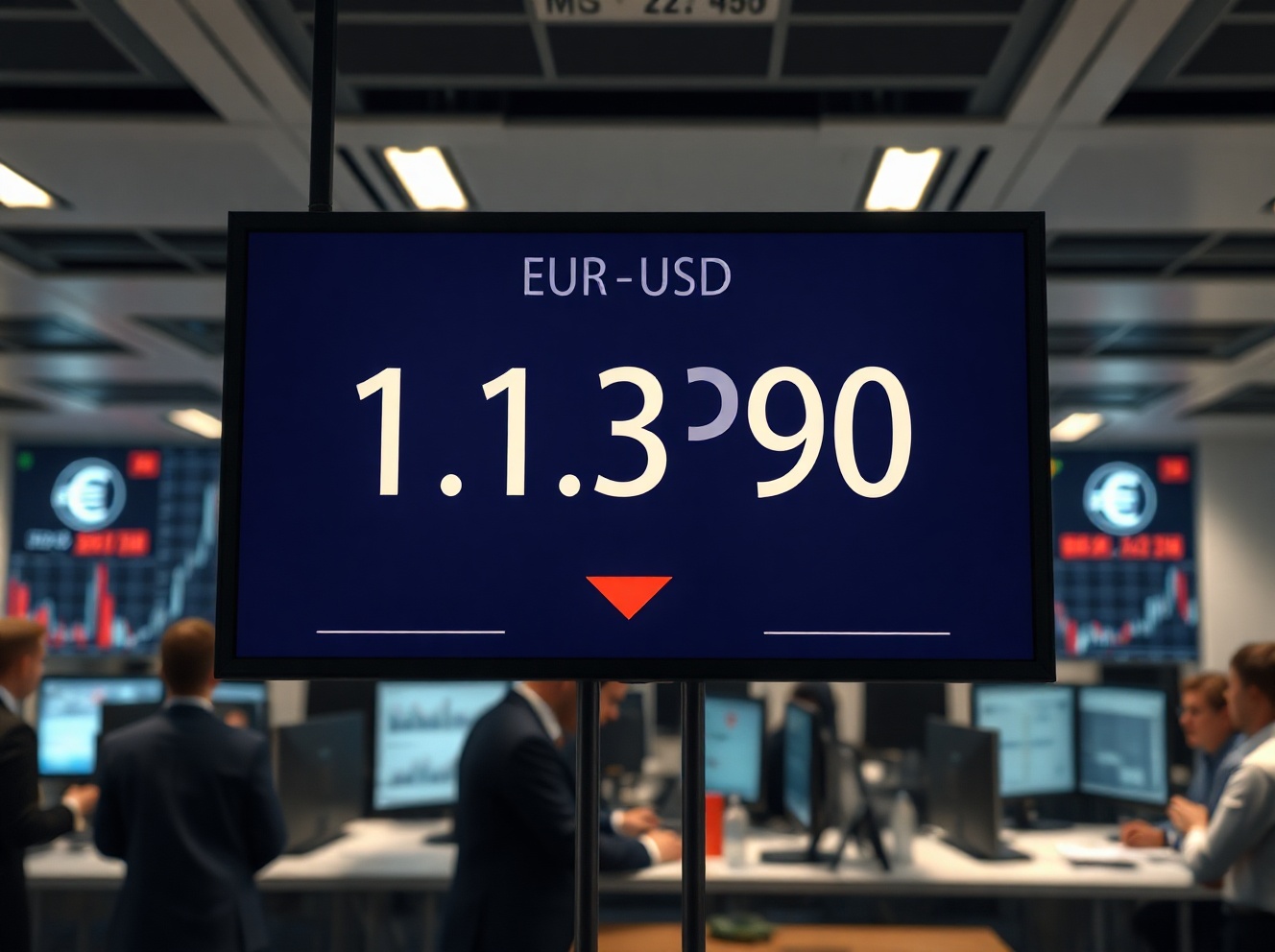
Euro Stays Below 1.1400 Near Yearly Lows Despite Upbeat German Retail Sales
The euro remained under pressure on Tuesday, trading below the 1.1400 mark against the US dollar and hovering near its lowest levels of the year. This bearish momentum persisted even after Germany reported stronger-than-expected retail sales data for the month of November.
German Retail Sales Beat Expectations, Yet Euro Fails to Rally
Official data released earlier today showed that German retail sales rose by 1.2% month-on-month in November, comfortably beating market forecasts of a 0.5% increase. On an annualized basis, sales climbed 2.5%, also exceeding consensus estimates. The figures suggest that consumer spending in Europe’s largest economy remains resilient despite a broader slowdown in manufacturing and export demand.
However, the positive data failed to provide any meaningful lift to the single currency. Analysts point to several factors weighing on the euro, including persistent concerns over the health of the broader Eurozone economy, political uncertainty in key member states, and the widening interest rate differential between the European Central Bank and the Federal Reserve.
Why the Euro Remains Under Pressure
The euro’s inability to capitalize on upbeat data highlights the depth of the bearish sentiment surrounding the currency. Market participants are closely watching the European Central Bank’s policy trajectory, which remains dovish relative to the Fed. While the ECB has signaled that rate cuts may be on the horizon later this year, the Fed has maintained a more cautious stance, keeping US interest rates elevated for longer.
This divergence continues to support the US dollar, pushing EUR/USD lower. The pair has lost nearly 5% since the start of the year, and technical analysts note that a sustained break below the 1.1400 level could open the door to further losses toward the 1.1200 region.
Broader Market Implications
For traders and investors, the euro’s weakness has broader implications beyond the currency pair itself. A weaker euro makes European exports more competitive on global markets, which could provide some support to the region’s struggling manufacturing sector. However, it also raises the cost of imported goods, particularly energy and raw materials, which are typically priced in US dollars. This dynamic could keep inflation elevated in the Eurozone, complicating the ECB’s policy decisions.
From a consumer perspective, a weaker euro means that European travelers will find their purchasing power reduced abroad, while import-dependent businesses may face higher costs. Policymakers will need to weigh these competing effects carefully in the months ahead.
Conclusion
The euro’s failure to rally on positive German retail sales data underscores the persistent headwinds facing the single currency. With the ECB expected to ease policy further and the US economy showing relative strength, the path of least resistance for EUR/USD appears to be lower. Traders should monitor upcoming Eurozone inflation data and ECB commentary for further direction, but the near-term outlook remains tilted toward further euro weakness.
FAQs
Q1: Why is the euro falling despite good economic data?
The euro is under pressure due to expectations of ECB rate cuts, a strong US dollar, and broader Eurozone economic concerns. Positive data alone has not been enough to reverse the bearish trend.
Q2: What is the next key support level for EUR/USD?
If the euro breaks below 1.1400, the next major support level is around 1.1200, which was a key area during previous periods of weakness.
Q3: How does a weak euro affect European consumers and businesses?
A weaker euro helps exporters by making goods cheaper abroad, but it raises import costs, especially for energy and raw materials. This can lead to higher inflation and reduced purchasing power for consumers.
This post Euro Stays Below 1.1400 Near Yearly Lows Despite Upbeat German Retail Sales first appeared on BitcoinWorld.


You May Also Like

Pacquiao insists Mayweather fight for real, shuns exhibition insinuation

Preserving the dying art of Burdang Taal, one thread at a time