

Make Nato European? How Trump is reshaping the alliance
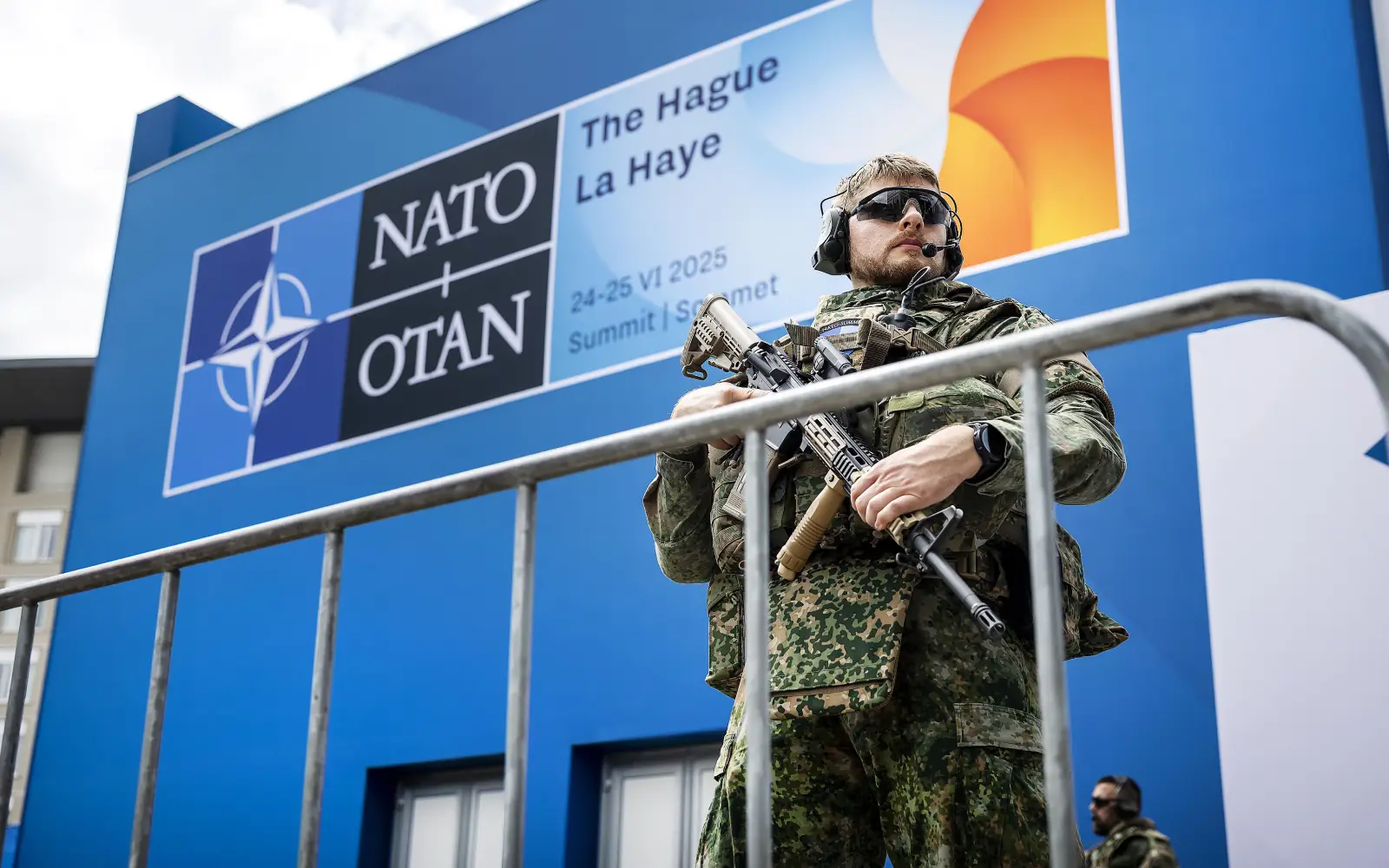 The US still has some 80,000 troops in Europe and there are plenty of pro-Nato voices in Washington who want them to stay. (EPA Images pic)
BRUSSELS: As doubts swirl over US President Donald Trump’s commitment to protecting Nato, both sides of the Atlantic agree: Europe needs to take more responsibility for its own defence.
The shift away from relying on America’s might will be a key focus as leaders from the 32-country alliance meet for a summit in Ankara this week.
From what’s happening to how far it could go, here are some of the key issues:
US steps back
Trump has not been shy about his criticisms of Nato – most recently lashing out at European allies over their response to his war against Iran.
The mercurial leader has repeatedly undercut faith in the US by casting doubt on whether he would stand by the alliance’s Article Five mutual defence clause.
But it’s not just words coming from Washington now.
Since Trump’s return to power, his administration has made it crystal clear it wants Europe to take the lead on defending the continent as the US focuses on other parts of the globe.
Washington rattled Nato by abruptly announcing in May that it would pull 5,000 troops from Germany and halt a deployment to Poland before flip-flopping.
The Pentagon then told allies it was scaling back the military assets it put at Nato’s disposal and has announced a six-month review of its forces in Europe.
“We’re doubling down on our effort to make Nato what it always was supposed to be, a balanced alliance with Europe in the lead for its own defence,” US defence secretary Pete Hegseth said.
Europe steps up
European countries started ramping up military budgets after Russia’s 2022 invasion of Ukraine – but pressure from Trump sent those efforts into warp speed.
After decades of underinvestment by Europe, Nato leaders agreed at a summit last year to increase defence-related spending to 5% of GDP by 2035.
“There’s truly a revolution going on in the alliance,” said one European diplomat, speaking on condition of anonymity. “This burden shifting that we decided will fundamentally change this alliance.”
While the US remains by far the biggest spender, Europe and Canada together are aiming in the coming years to match Washington’s budget.
Powerhouse Germany has led the way, while spending by countries closest to Russia is already near Nato’s target.
Across the alliance, there is now an understanding that the US pulling back is inescapable – and that won’t change even once Trump leaves.
“It’s not about Trump. It’s a structural long-term change,” said Claudia Major of the German Marshall Fund think tank.
“It can be shaped but not avoided.”
While Europe can already fill in some of the gaps Washington is leaving in Nato’s defence plans, key assets such as long-range missiles will take time to substitute.
“It’s very clear that the US role is changing anyway, and the main hope is to do damage control and to get predictability,” said Major.
What’s changed so far?
Despite the headline-grabbing spats and announcements, the changes on the ground have so far not been too dramatic.
The US still has some 80,000 troops in Europe and there are plenty of pro-Nato voices in Washington who want them to stay.
America’s nuclear umbrella also remains the ultimate safeguard for European security and the Trump administration is not talking about stepping that back.
There has been some shuffling of Nato commanders with Europeans now taking over all the regional headquarters.
But the US still holds the top overall military post and also has control over the air, land and sea commands.
“The alliance is slowly transforming itself. In a couple of years, Europe will be much more relevant,” said a second diplomat.
Death knell for Nato?
For now no one at Nato is publicly talking about the Europeans needing to go it alone – or replacing the alliance entirely.
At the summit in Ankara, diplomats say the leaders are set to call for a “stronger Europe in a stronger Nato” and the aim is to keep the United States as engaged as possible.
Going forward, Europe may increasingly look to bind Ukraine – and its battle-tested forces – more closely into the continent’s security architecture.
But with the path to Kyiv joining Nato firmly blocked for now, those efforts are mainly focused on Ukraine’s push for EU membership.


You May Also Like

Coinspect warns Ill Bloom flaw may drain more crypto wallets

Pi Network's Biggest Strength Isn't One App—It's the Ecosystem
Stablecoin Transfers Reach Record $1.79T in June



