

Why Gen Z is no longer voting like mum and dad
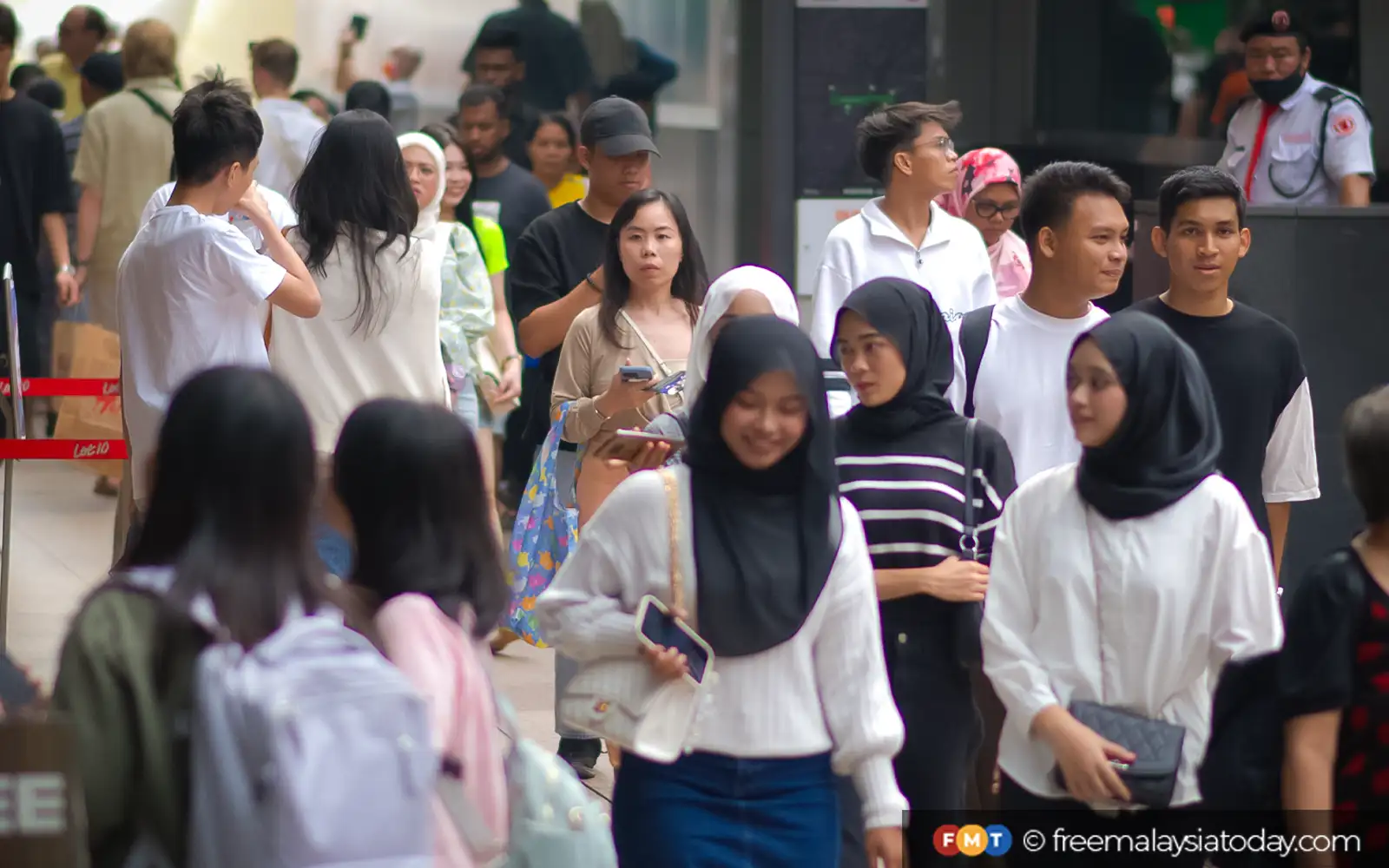 Easy access to information through social media has made many young voters more confident in evaluating candidates independently.
JOHOR BAHRU: When 18-year-old Emmanuel Praveen Tobias heads to the polling station this week, one thing is certain – he won’t simply be following his family’s political preferences.
Instead, the first-time voter plans to make his own decision after researching candidates on social media, reflecting a growing shift among Generation Z.
“Most young people today vote based on their own choices and preferences. The practice of following our parents’ choices is becoming less common among us,” he told Bernama.
“Although I did not have the opportunity to follow the campaigns closely, I can study the candidates’ profiles through social media before making my decision.”
As Johor gears up for Saturday’s state election, several first-time voters said access to information through platforms such as TikTok, Instagram and YouTube has made them more confident in evaluating candidates independently.
Nineteen-year-old Nur Izzati Kamaruddin agrees that easy access to information has changed how young people approach politics.
The Azizah Vocational College student said today’s young voters are less likely to accept traditional political narratives at face value and prefer to do their own research before deciding who deserves their support.
“Previously, we might have followed the candidates chosen by our parents, but not anymore. I will personally check candidates’ social media accounts to assess their work before making a decision.”
Perling voter Ramshatul Adawiyah Rosli, 18, similarly noted that youths today tend to judge candidates by their ideas, credibility and policies rather than popularity alone.
“We want candidates who are close to the people, especially young people like us. This makes it easier for us to assess their ability to present ideas,” she said, adding that she prefers candidates who are active and energetic.
Universiti Tun Hussein Onn Malaysia senior lecturer Nazreena Mohammed Yasin said these views reflect a broader change in political behaviour: today’s young voters are becoming more independent and analytical.
“Family influence has not disappeared completely, but it is no longer the deciding factor for all young voters. They are now more willing to question and compare information,” she said.
She warned, however, that the abundance of online information highlights the importance of media literacy to help young people distinguish reliable information from fake news and misleading content.
This Saturday’s election, which sees 172 candidates contesting 56 seats, will offer one of the clearest indications yet of how Malaysia’s newest generation of voters is reshaping the country’s political landscape.


You May Also Like

Bitcoin, Gold, and U.S. Stocks Dive as Trump Pledges to Hit Iran ‘Extremely Hard’
TV anchors cut off mid-sentence and evacuate as nearby building threatens collapse

Funding: African startups raised $1.4 billion in H1 2026 off a $515 million windfall in June



