

Hui Ying clarifies abortion law after Dewan Rakyat remarks spark confusion
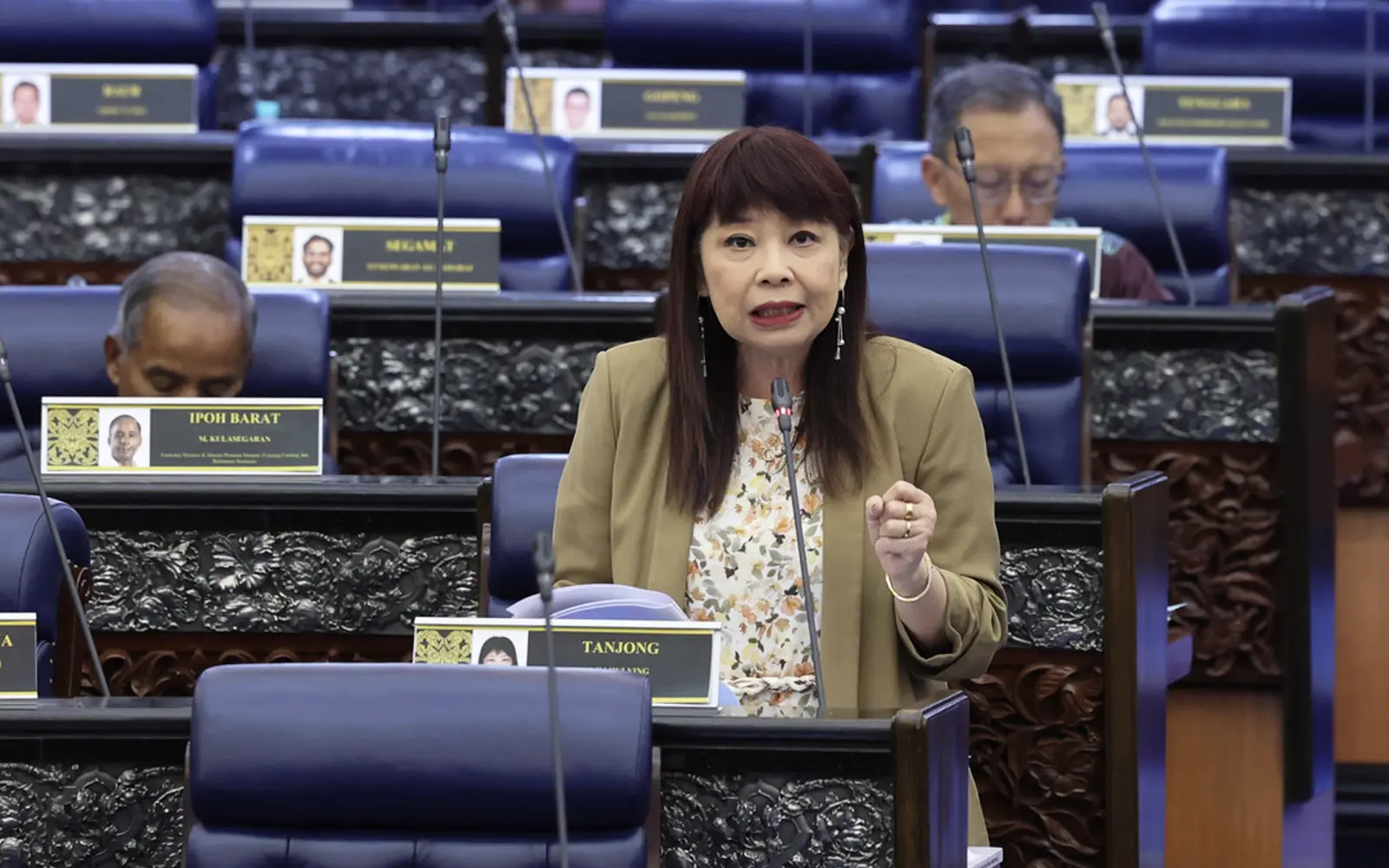 Deputy women, family and community development minister Lim Hui Ying told the Dewan Rakyat on July 6 that clinics providing abortions are prohibited in Malaysia. (Bernama pic)
PETALING JAYA: Deputy women, family and community development minister Lim Hui Ying has clarified that abortion remains legally permitted in certain circumstances under Malaysian law after her recent remarks in the Dewan Rakyat sparked confusion.
Lim said abortion is generally a criminal offence under Sections 312 to 316 of the Penal Code, but the law provides a clear exemption under Section 312.
She said the exemption allows a registered medical practitioner to terminate a pregnancy if, in good faith, he or she believes that continuing the pregnancy would pose a risk to the woman’s life or cause injury to her physical or mental health.
“In such circumstances, the termination of pregnancy is permitted by law,” she said in a statement today.
Lim said the confusion arose because she had not explicitly mentioned the Section 312 exemption in her response to a supplementary question raised by Kepala Batas MP Siti Mastura Muhammad during the Dewan Rakyat sitting on July 6.
She also pointed out that her response had specifically referred to the number of clinics found to be providing “illegal abortion services without permission” nationwide.
“I wish to emphasise that the clarification provided does not seek to disregard the exemption provided under existing laws relating to abortion,” she said.
She said any misinterpretation of her remarks may have resulted from them being viewed from a different perspective or from headlines and reports that did not reflect the full context.
“The women, family and community development ministry and I have always respected and recognised the legal framework currently in force in the country,” she said.
On Tuesday, two NGOs urged Lim to clarify her remarks on the legal status of abortion in Malaysia.
The Reproductive Rights Advocacy Alliance Malaysia, and Women’s Aid Organisation said her comments could create confusion among the public and healthcare providers, and discourage women from seeking medical care.


You May Also Like

The Chemistry of UV Resistance: How Titanium Dioxide Protects Against the California Sun

Avalanche Treasury Firm AVAX One Reclaims Nasdaq Compliance After Reverse Stock Split

With SEC fight over, Coinbase's top legal exec Grewal moves on, and others reassigned



