

Yen Weakens as Renewed US-Iran Tensions Drive Dollar Demand, Oil Higher
BitcoinWorld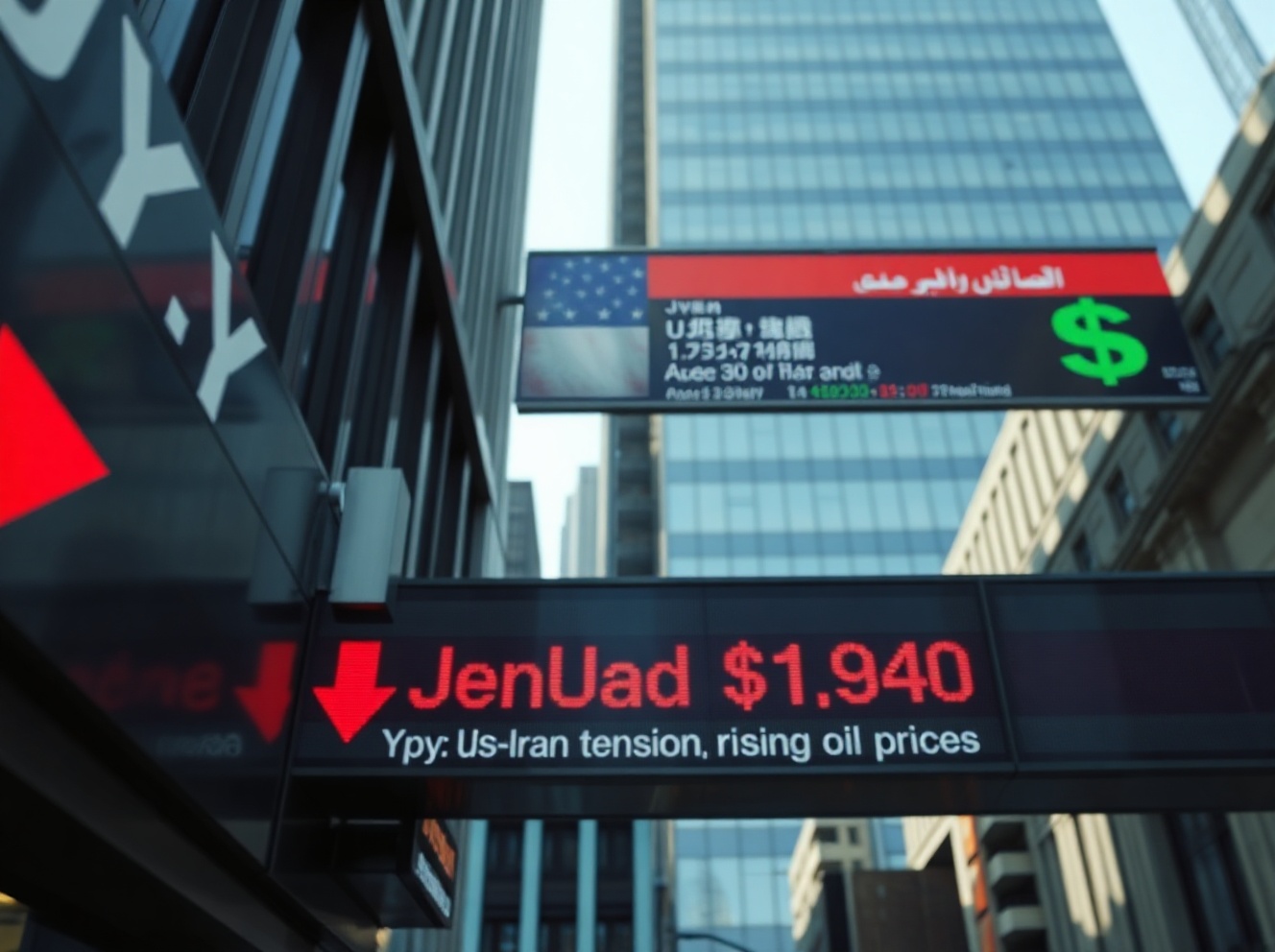
Yen Weakens as Renewed US-Iran Tensions Drive Dollar Demand, Oil Higher
The Japanese yen weakened against the US dollar on Tuesday, as escalating tensions between the United States and Iran prompted a flight to safe-haven assets, boosting the greenback and pushing oil prices higher. The shift in market sentiment reflects growing geopolitical uncertainty in the Middle East, a region critical to global energy supplies.
Market Reaction to Renewed Geopolitical Risks
Reports of heightened military posturing and diplomatic friction between Washington and Tehran triggered a broad risk-off move in financial markets. Investors rotated out of currencies perceived as higher-risk, such as the yen, and into the US dollar, which traditionally benefits from its status as the world’s primary reserve currency during times of crisis. The dollar index (DXY) rose by 0.3% in early Asian trading, while the USD/JPY pair climbed above the 149.00 level.
Oil prices also reacted sharply. Brent crude futures gained over 1.5%, trading near $82 per barrel, while West Texas Intermediate (WTI) crude approached $78. The rise in energy costs added to existing inflationary concerns, complicating the outlook for central bank policy in Japan and other major economies.
Why the Yen Is Under Pressure
The Japanese yen has been under persistent selling pressure in 2025 due to the Bank of Japan’s (BOJ) cautious approach to monetary policy normalization. While the BOJ has taken steps to exit its ultra-loose policy, including a modest rate hike in January, the pace of tightening remains slow compared to the Federal Reserve. The interest rate differential between the US and Japan continues to favor dollar-denominated assets, making the yen less attractive to carry trade investors.
The current geopolitical shock exacerbates this dynamic. Although the yen is traditionally considered a safe-haven currency, its appeal has diminished in the current environment because Japan is a major energy importer. Rising oil prices increase Japan’s import bill, widening its trade deficit and putting additional downward pressure on the currency.
Implications for Traders and the Broader Market
For forex traders, the immediate focus is on whether the USD/JPY pair can sustain its upward momentum. Key resistance levels are at 150.00, a psychologically important threshold that the BOJ has previously watched closely. A break above this level could trigger further yen weakness, potentially prompting verbal intervention from Japanese officials.
For the broader market, the combination of a stronger dollar and higher oil prices creates headwinds for emerging market economies and import-dependent nations. It also complicates the inflation outlook for central banks globally, potentially delaying expected rate cuts.
Conclusion
The yen’s decline against the dollar underscores how quickly geopolitical events can reshape currency markets. While the immediate catalyst is the renewed US-Iran tension, the underlying structural factors—Japan’s energy dependence and the BOJ’s gradual tightening—amplify the yen’s vulnerability. Traders and policymakers alike will be watching for further developments in the Middle East and any signals from Tokyo regarding potential intervention.
FAQs
Q1: Why does the yen weaken when geopolitical tensions rise?
While the yen is a traditional safe-haven currency, Japan’s heavy reliance on energy imports means that geopolitical crises that push oil prices higher can hurt the yen by increasing the country’s trade deficit. Additionally, the interest rate gap between the US and Japan makes the dollar more attractive during risk-off moves.
Q2: How do US-Iran tensions affect oil prices?
The Middle East is a key oil-producing region. Any escalation in tensions between the US and Iran raises the risk of supply disruptions, either through direct conflict or by threatening shipping routes like the Strait of Hormuz. This uncertainty typically drives oil prices higher.
Q3: Could the Bank of Japan intervene to support the yen?
Yes, the BOJ and the Ministry of Finance have a history of intervening in the currency market when they view yen moves as excessive or disorderly. If USD/JPY approaches or breaches the 150 level, the risk of verbal or actual intervention increases significantly.
This post Yen Weakens as Renewed US-Iran Tensions Drive Dollar Demand, Oil Higher first appeared on BitcoinWorld.


You May Also Like

Not a loophole: Singapore AI export controls let China tap US AI legally

Best Mobile User Retention Tools in 2026

Critical USDT0 Response to Drift Hack Exposes Stark Contrast in Stablecoin Security Protocols



