A fierce price war has erupted in the UK’s cryptocurrency exchange-traded note (ETN) market after regulators reopened access to retail investors for the first time in over four years. The move has triggered a wave of fee cuts from leading issuers, driving costs for bitcoin-linked products down to as little as 0.05%, levels even lower than most traditional equity and bond funds. The Financial Conduct Authority (FCA) lifted its ban on retail investment in crypto ETNs on October 8, marking a major policy reversal that reflects the regulator’s evolving stance on digital assets. Retail investors can now buy and hold London-listed crypto ETNs, which track the price of cryptocurrencies such as bitcoin and ether, within tax-free accounts like stocks-and-shares ISAs for the current tax year. From April 6 next year, these products will also qualify for the Innovative Finance ISA. The decision immediately sparked intense competition among issuers. Who Wins the Fee War After the FCA Opens the Door to Retail Crypto ETNs? Bitwise, one of the first to react, slashed the annual fee for its Core Bitcoin ETP from 0.2% to 0.05%, effective for six months “and continuing until further notice.” The cut undercut 21Shares, which responded by reducing fees for its Core Bitcoin and Ethereum Core Staking ETPs to 0.1%. Fidelity soon followed, lowering charges on its Physical Bitcoin ETP to 0.25%, while Invesco trimmed its equivalent product to 0.1% until the end of 2025. BlackRock, which dominates the U.S. crypto ETF market through its $92 billion iShares Bitcoin Trust, entered the UK race by listing its European iShares Bitcoin ETP in London. The firm offered a temporary discount, reducing fees from 0.25% to 0.15% until January. Meanwhile, CoinShares continues to lead the ether segment with its Physical Staked Ethereum ETP, the only exchange-traded product in Europe with zero management fees. CoinShares offsets costs using staking rewards generated from locked ether. Will London’s Crypto ETN Boom Mirror the U.S. ETF Frenzy? The new fee war mirrors the aggressive competition seen in the United States when crypto ETFs launched in early 2024. Analysts say the cuts could make it cheaper for investors to gain bitcoin exposure through regulated funds than through most traditional investment vehicles. Some crypto ETNs previously available only to professionals still charge as much as 2.5% annually, highlighting the growing divide between older products and new, low-cost entrants. Trading activity surged immediately after retail access resumed. According to data from Bitwise, average daily trading volumes for Bitcoin ETNs on the London Stock Exchange jumped to $7.2 million from $2.1 million earlier in October, when only professional investors were eligible. Ether ETNs saw similar momentum, rising from $1.9 million to $4.4 million. Morningstar data shows that WisdomTree’s Physical Bitcoin and Ethereum ETNs have seen the highest turnover since the relaunch, followed closely by iShares products. “The surge in activity reiterates the exceptional level of appetite for exposure to these assets,” said Russell Barlow, chief executive of 21Shares. Market analysts expect competition to further expand product diversity and reduce costs for investors as more issuers enter the UK market. FCA Warns Issuers on Incentives as Younger Investors Drive Interest Still, the FCA has urged caution. In a statement this week, the regulator warned issuers not to offer incentives to attract investors and to carry out strict appropriateness assessments.Source: UK FCA Firms must provide cooling-off periods and clear risk warnings, reinforcing that crypto ETNs remain high-risk instruments not covered by the Financial Services Compensation Scheme. While platforms such as Interactive Investor, Trading 212, Killik & Co., and Interactive Brokers have begun allowing retail access, others, including major investment brokers Hargreaves Lansdown and AJ Bell, have yet to offer crypto ETNs. Hargreaves Lansdown has taken a notably skeptical stance, warning clients against adding Bitcoin to their portfolios and calling it “not an asset class.” Despite the caution, the firm said it plans to enable trading for “appropriate clients” in early 2026. The FCA’s decision to open the market marks a turning point for the UK’s crypto sector, long criticized for its slow regulatory progress. The regulator has recently accelerated crypto firm approvals, increasing its acceptance rate to 45% and granting licenses to institutions such as BlackRock and Standard Chartered. Market research from IG Group suggests the new retail access could expand the UK’s crypto investment market by up to 20%, with nearly one in three adults expressing interest in buying digital assets through ETNs. Interest is strongest among younger investors aged 18 to 34, who cite regulation, safety, and tax efficiency as key attractionsA fierce price war has erupted in the UK’s cryptocurrency exchange-traded note (ETN) market after regulators reopened access to retail investors for the first time in over four years. The move has triggered a wave of fee cuts from leading issuers, driving costs for bitcoin-linked products down to as little as 0.05%, levels even lower than most traditional equity and bond funds. The Financial Conduct Authority (FCA) lifted its ban on retail investment in crypto ETNs on October 8, marking a major policy reversal that reflects the regulator’s evolving stance on digital assets. Retail investors can now buy and hold London-listed crypto ETNs, which track the price of cryptocurrencies such as bitcoin and ether, within tax-free accounts like stocks-and-shares ISAs for the current tax year. From April 6 next year, these products will also qualify for the Innovative Finance ISA. The decision immediately sparked intense competition among issuers. Who Wins the Fee War After the FCA Opens the Door to Retail Crypto ETNs? Bitwise, one of the first to react, slashed the annual fee for its Core Bitcoin ETP from 0.2% to 0.05%, effective for six months “and continuing until further notice.” The cut undercut 21Shares, which responded by reducing fees for its Core Bitcoin and Ethereum Core Staking ETPs to 0.1%. Fidelity soon followed, lowering charges on its Physical Bitcoin ETP to 0.25%, while Invesco trimmed its equivalent product to 0.1% until the end of 2025. BlackRock, which dominates the U.S. crypto ETF market through its $92 billion iShares Bitcoin Trust, entered the UK race by listing its European iShares Bitcoin ETP in London. The firm offered a temporary discount, reducing fees from 0.25% to 0.15% until January. Meanwhile, CoinShares continues to lead the ether segment with its Physical Staked Ethereum ETP, the only exchange-traded product in Europe with zero management fees. CoinShares offsets costs using staking rewards generated from locked ether. Will London’s Crypto ETN Boom Mirror the U.S. ETF Frenzy? The new fee war mirrors the aggressive competition seen in the United States when crypto ETFs launched in early 2024. Analysts say the cuts could make it cheaper for investors to gain bitcoin exposure through regulated funds than through most traditional investment vehicles. Some crypto ETNs previously available only to professionals still charge as much as 2.5% annually, highlighting the growing divide between older products and new, low-cost entrants. Trading activity surged immediately after retail access resumed. According to data from Bitwise, average daily trading volumes for Bitcoin ETNs on the London Stock Exchange jumped to $7.2 million from $2.1 million earlier in October, when only professional investors were eligible. Ether ETNs saw similar momentum, rising from $1.9 million to $4.4 million. Morningstar data shows that WisdomTree’s Physical Bitcoin and Ethereum ETNs have seen the highest turnover since the relaunch, followed closely by iShares products. “The surge in activity reiterates the exceptional level of appetite for exposure to these assets,” said Russell Barlow, chief executive of 21Shares. Market analysts expect competition to further expand product diversity and reduce costs for investors as more issuers enter the UK market. FCA Warns Issuers on Incentives as Younger Investors Drive Interest Still, the FCA has urged caution. In a statement this week, the regulator warned issuers not to offer incentives to attract investors and to carry out strict appropriateness assessments.Source: UK FCA Firms must provide cooling-off periods and clear risk warnings, reinforcing that crypto ETNs remain high-risk instruments not covered by the Financial Services Compensation Scheme. While platforms such as Interactive Investor, Trading 212, Killik & Co., and Interactive Brokers have begun allowing retail access, others, including major investment brokers Hargreaves Lansdown and AJ Bell, have yet to offer crypto ETNs. Hargreaves Lansdown has taken a notably skeptical stance, warning clients against adding Bitcoin to their portfolios and calling it “not an asset class.” Despite the caution, the firm said it plans to enable trading for “appropriate clients” in early 2026. The FCA’s decision to open the market marks a turning point for the UK’s crypto sector, long criticized for its slow regulatory progress. The regulator has recently accelerated crypto firm approvals, increasing its acceptance rate to 45% and granting licenses to institutions such as BlackRock and Standard Chartered. Market research from IG Group suggests the new retail access could expand the UK’s crypto investment market by up to 20%, with nearly one in three adults expressing interest in buying digital assets through ETNs. Interest is strongest among younger investors aged 18 to 34, who cite regulation, safety, and tax efficiency as key attractions

UK Crypto ETN Market Turns Fierce After Retail Access Restored — Issuers Slash Fees to 0.05%

2025/10/31 05:05

A fierce price war has erupted in the UK’s cryptocurrency exchange-traded note (ETN) market after regulators reopened access to retail investors for the first time in over four years.

The move has triggered a wave of fee cuts from leading issuers, driving costs for bitcoin-linked products down to as little as 0.05%, levels even lower than most traditional equity and bond funds.

The Financial Conduct Authority (FCA) lifted its ban on retail investment in crypto ETNs on October 8, marking a major policy reversal that reflects the regulator’s evolving stance on digital assets.

Retail investors can now buy and hold London-listed crypto ETNs, which track the price of cryptocurrencies such as bitcoin and ether, within tax-free accounts like stocks-and-shares ISAs for the current tax year.

From April 6 next year, these products will also qualify for the Innovative Finance ISA. The decision immediately sparked intense competition among issuers.

Who Wins the Fee War After the FCA Opens the Door to Retail Crypto ETNs?

Bitwise, one of the first to react, slashed the annual fee for its Core Bitcoin ETP from 0.2% to 0.05%, effective for six months “and continuing until further notice.”

The cut undercut 21Shares, which responded by reducing fees for its Core Bitcoin and Ethereum Core Staking ETPs to 0.1%.

Fidelity soon followed, lowering charges on its Physical Bitcoin ETP to 0.25%, while Invesco trimmed its equivalent product to 0.1% until the end of 2025.

BlackRock, which dominates the U.S. crypto ETF market through its $92 billion iShares Bitcoin Trust, entered the UK race by listing its European iShares Bitcoin ETP in London.

The firm offered a temporary discount, reducing fees from 0.25% to 0.15% until January. Meanwhile, CoinShares continues to lead the ether segment with its Physical Staked Ethereum ETP, the only exchange-traded product in Europe with zero management fees.

CoinShares offsets costs using staking rewards generated from locked ether.

Will London’s Crypto ETN Boom Mirror the U.S. ETF Frenzy?

The new fee war mirrors the aggressive competition seen in the United States when crypto ETFs launched in early 2024.

Analysts say the cuts could make it cheaper for investors to gain bitcoin exposure through regulated funds than through most traditional investment vehicles.

Some crypto ETNs previously available only to professionals still charge as much as 2.5% annually, highlighting the growing divide between older products and new, low-cost entrants.

Trading activity surged immediately after retail access resumed. According to data from Bitwise, average daily trading volumes for Bitcoin ETNs on the London Stock Exchange jumped to $7.2 million from $2.1 million earlier in October, when only professional investors were eligible.

Ether ETNs saw similar momentum, rising from $1.9 million to $4.4 million. Morningstar data shows that WisdomTree’s Physical Bitcoin and Ethereum ETNs have seen the highest turnover since the relaunch, followed closely by iShares products.

“The surge in activity reiterates the exceptional level of appetite for exposure to these assets,” said Russell Barlow, chief executive of 21Shares.

Market analysts expect competition to further expand product diversity and reduce costs for investors as more issuers enter the UK market.

FCA Warns Issuers on Incentives as Younger Investors Drive Interest

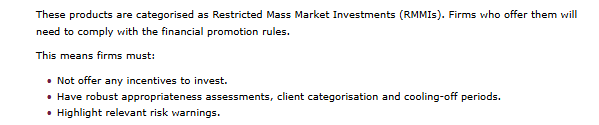
Still, the FCA has urged caution. In a statement this week, the regulator warned issuers not to offer incentives to attract investors and to carry out strict appropriateness assessments.
Source: UK FCA

Firms must provide cooling-off periods and clear risk warnings, reinforcing that crypto ETNs remain high-risk instruments not covered by the Financial Services Compensation Scheme.

While platforms such as Interactive Investor, Trading 212, Killik & Co., and Interactive Brokers have begun allowing retail access, others, including major investment brokers Hargreaves Lansdown and AJ Bell, have yet to offer crypto ETNs.

Hargreaves Lansdown has taken a notably skeptical stance, warning clients against adding Bitcoin to their portfolios and calling it “not an asset class.” Despite the caution, the firm said it plans to enable trading for “appropriate clients” in early 2026.

The FCA’s decision to open the market marks a turning point for the UK’s crypto sector, long criticized for its slow regulatory progress.

The regulator has recently accelerated crypto firm approvals, increasing its acceptance rate to 45% and granting licenses to institutions such as BlackRock and Standard Chartered.

Market research from IG Group suggests the new retail access could expand the UK’s crypto investment market by up to 20%, with nearly one in three adults expressing interest in buying digital assets through ETNs.

Interest is strongest among younger investors aged 18 to 34, who cite regulation, safety, and tax efficiency as key attractions.


Disclaimer: The articles reposted on this site are sourced from public platforms and are provided for informational purposes only. They do not necessarily reflect the views of MEXC. All rights remain with the original authors. If you believe any content infringes on third-party rights, please contact service@support.mexc.com for removal. MEXC makes no guarantees regarding the accuracy, completeness, or timeliness of the content and is not responsible for any actions taken based on the information provided. The content does not constitute financial, legal, or other professional advice, nor should it be considered a recommendation or endorsement by MEXC.

You May Also Like

Dogecoin, HBAR Rank High On Watchlists But One Crypto Is Stealing The Show

Dogecoin, HBAR Rank High On Watchlists But One Crypto Is Stealing The Show

The post Dogecoin, HBAR Rank High On Watchlists But One Crypto Is Stealing The Show appeared on BitcoinEthereumNews.com. Crypto traders searching for the best crypto to buy now are keeping a close eye on Dogecoin (DOGE) and Hedera (HBAR), two altcoins that remain top picks for September. DOGE continues to benefit from its loyal community and brand recognition, while HBAR’s enterprise partnerships keep it relevant as a layer-1 solution. But despite these strong contenders, analysts say one project is stealing the show — Layer Brett ($LBRETT), a fast-growing Ethereum Layer 2 that has taken the market by storm. Why Dogecoin and HBAR are still relevant Dogecoin remains a fan favorite, with its meme status and history of viral rallies making it a top speculative asset. Analysts believe DOGE could see another strong run in the next bull market, especially if Elon Musk tweets about it or if a DOGE payment integration is announced. In 2021, DOGE’s price rallied thousands of percent, proving that viral moments can still drive massive upside when the community is fully engaged. HBAR, meanwhile, is considered one of the most technically advanced layer 1 blockchains, its hashgraph consensus and enterprise partnerships gave it a unique edge. Projects in sectors like supply chain, tokenized assets, and enterprise data security continue to choose HBAR, which helps support steady price appreciation. Price predictions for HBAR suggest consistent growth into 2026 as adoption expands. Layer Brett: The real market disruptor While DOGE and HBAR are strong players, Layer Brett is where traders are seeing the most explosive potential. Built on Ethereum Layer 2, $LBRETT offers lightning-fast transactions, near-zero fees, and security backed by Ethereum. Its rapidly growing social presence, with thousands of new community members joining weekly, is driving massive buzz. Analysts say this mix of speed, low cost, and meme energy is creating a narrative that could dominate the next bull run. Key reasons analysts are calling…
Share
BitcoinEthereumNews2025/09/21 06:34
Will Bitcoin Beat S&P 500 Index? ‘Forever,’ Says Michael Saylor

Will Bitcoin Beat S&P 500 Index? ‘Forever,’ Says Michael Saylor

The post Will Bitcoin Beat S&P 500 Index? ‘Forever,’ Says Michael Saylor appeared on BitcoinEthereumNews.com. In recent Bitcoin news, Strategy CEO Michael Saylor once again made a bold claim about the future of Bitcoin (BTC USD). He said that Bitcoin will outperform the S&P 500 “forever.” According to him, the index would lose nearly 29% in value each year when compared to the top cryptocurrency. In his statement, Saylor highlighted Bitcoin’s strength as a long-term investment. He believes its fixed supply and global adoption will continue to drive its value higher. On the other hand, he argued that a traditional index like the S&P 500 will struggle to keep pace. Bitcoin News: Why is it “Digital Capital,” Stronger Than S&P 500 In his interview with Coin Stories, MicroStrategy executive chairman, Michael Saylor, explained Bitcoin was a unique digital investment vehicle. According to him, it grows in value much faster than traditional assets. Saylor noted that the S&P 500’s average return is often treated as the standard measure of investment growth. However, he emphasized that Bitcoin (BTC USD) consistently outpaces this benchmark. This difference, he said, highlights a clear performance gap. Because of this, Saylor believes a major financial shift is taking place. He argued that Bitcoin is emerging as a superior choice for investors, an increasingly popular opinion as witnessed in recent news. In his view, it also serves as stronger collateral compared to traditional assets. In his view, Bitcoin’s steady appreciation gives investors a chance to create new forms of credit backed by the asset. He explained that Bitcoin-backed loans could last longer, deliver higher returns, and reshape global finance. Michael Saylor also highlighted that this perspective influenced his role in policy discussions. Recently, he joined other crypto executives in a meeting to advocate for the strategic Bitcoin reserve bill. In addition, he compared Bitcoin’s reliability with weakness in traditional currencies. He argued that…
Share
BitcoinEthereumNews2025/09/20 18:34