

Nvidia H200 Chip Exports to China: A Stunning Policy Reversal by the Department of Commerce
BitcoinWorld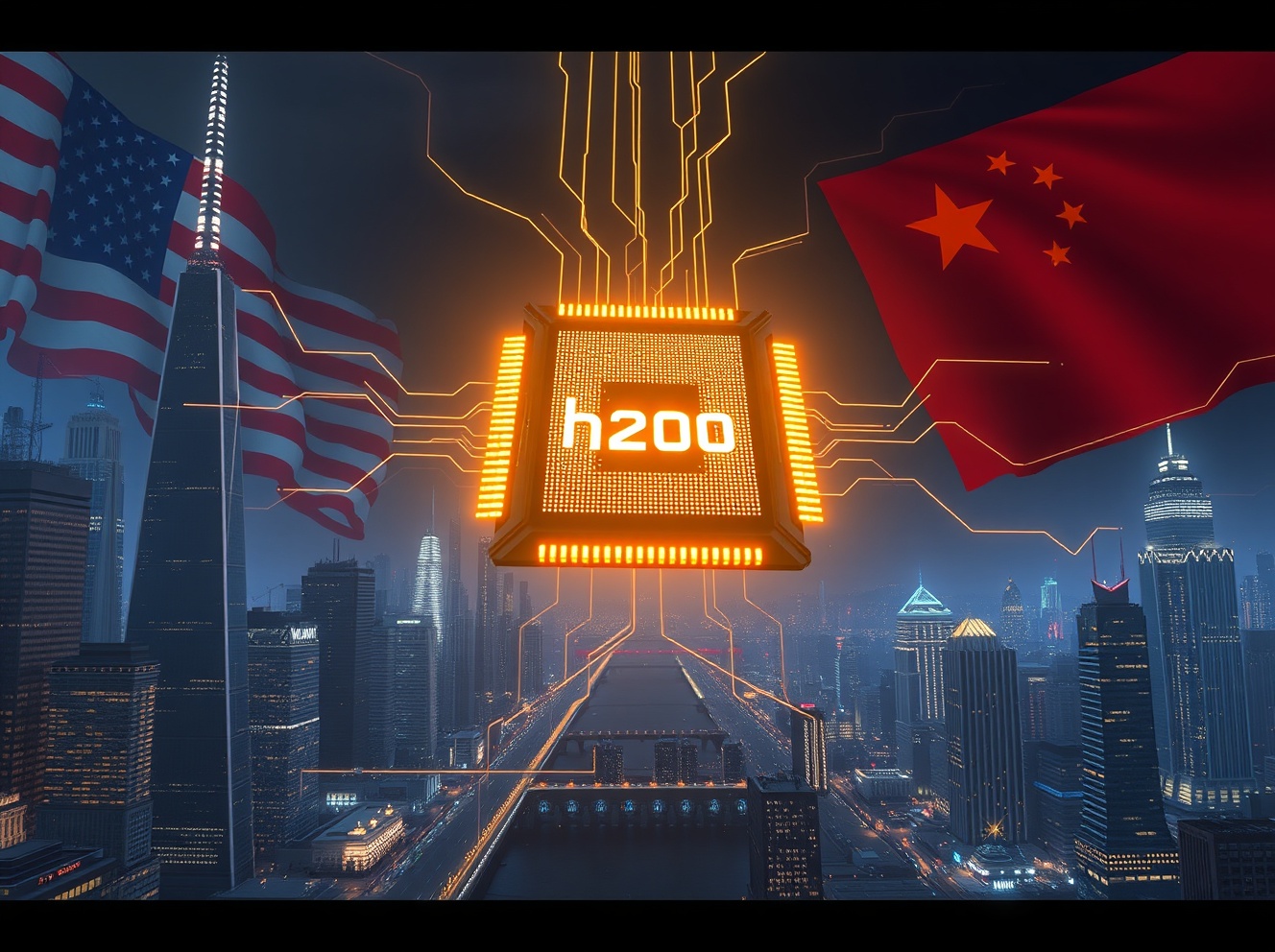
Nvidia H200 Chip Exports to China: A Stunning Policy Reversal by the Department of Commerce
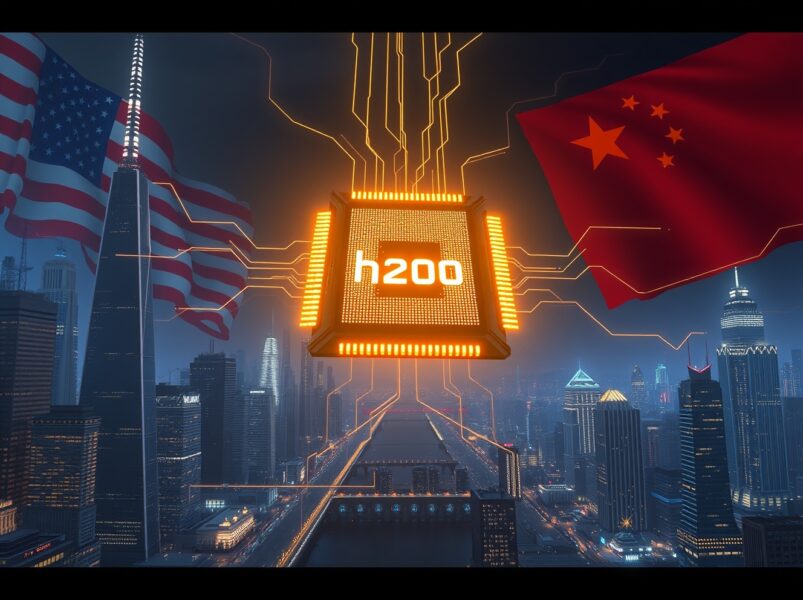
In a move that could reshape the global semiconductor landscape, the U.S. Department of Commerce is reportedly planning to greenlight the export of Nvidia’s advanced H200 AI chips to China. This potential policy shift represents a dramatic turn in the ongoing tech cold war and carries significant implications for the AI industry, national security debates, and the future of high-performance computing. For investors and observers in the tech and crypto sectors, where computational power is currency, this development is a critical signal of changing geopolitical winds.
What’s the Deal with Nvidia H200 Chip Exports?
According to a report from Semafor, the Department of Commerce is preparing to allow Nvidia to ship its H200 AI chips to Chinese customers. This is notable because the H200 is a far more powerful chip than the deliberately downgraded H20 model that Nvidia previously developed specifically for the Chinese market to comply with earlier U.S. restrictions. However, there’s a crucial catch: the approval would reportedly only cover H200 chips that are roughly 18 months old, creating a controlled technological lag.
An Nvidia spokesperson framed the potential decision positively, stating it “strikes a thoughtful balance that is great for America” by allowing the company to compete while working with vetted commercial customers. This comes just a week after U.S. Commerce Secretary Howard Lutnick indicated the final decision rested with President Donald Trump.
Why Are AI Chip Exports So Controversial?
The potential approval directly conflicts with growing bipartisan concern in Congress about the national security risks of exporting advanced AI technology. The core tension lies between economic interests and security imperatives.
- Economic Argument: The U.S. semiconductor industry, led by companies like Nvidia, argues that completely cutting off the massive Chinese market hurts American innovation, jobs, and revenue needed to fund next-generation R&D.
- Security Argument: Lawmakers and defense officials fear that advanced AI chips could accelerate China’s military modernization and AI capabilities, potentially eroding the U.S.’s technological edge.
This conflict recently materialized in the proposed “Secure and Feasible Exports (SAFE) Chips Act,” introduced by Senators Pete Ricketts (R-NE) and Chris Coons (D-DE). The bill seeks to block advanced AI chip exports to China for over two years, highlighting the rare bipartisan agreement on this issue.
The Department of Commerce’s Balancing Act
The Department of Commerce finds itself at the center of this storm, tasked with executing a policy that satisfies competing demands. Its reported solution—allowing exports of slightly older H200 chips—attempts to walk a fine line:
| Policy Mechanism | Intended Effect | Potential Loophole |
|---|---|---|
| 18-Month Age Limit on Chips | Maintains a performance gap, preserving a U.S. advantage. | Chinese firms could still use large quantities of these chips for significant AI training. |
| Vetting of Commercial Customers | Prevents chips from reaching military or state-affiliated AI labs. | Dual-use technology is hard to track; commercial research can have military applications. |
| Revenue Sharing Proposal (15% cut) | Compensates the U.S. government and treats chips as a trade asset. | Complicates deals and may be seen as a tariff, potentially violating trade norms. |
How Has China Responded to Chip Restrictions?
The U.S. export controls have not unfolded in a vacuum. China has actively retaliated and adapted. In a significant counter-move, China’s Cyberspace Administration banned domestic companies from purchasing Nvidia chips earlier this year. This forced Chinese tech giants and AI researchers to turn to domestic alternatives from companies like Alibaba and Huawei.
This decoupling has created a parallel, if currently less advanced, semiconductor ecosystem in China. The long-term risk for U.S. companies is that by being locked out now, they may be permanently replaced by Chinese competitors, losing a critical market forever.
What Does This Mean for the Future of Chip Exports?
The reported approval of H200 exports, if finalized, suggests a pragmatic, revenue-focused approach from the Trump administration, contrasting with the more restrictive stance of Congress. It indicates that advanced AI chips are being used as a bargaining chip in broader U.S.-China trade negotiations.
For the global tech industry, this creates a precarious environment. Companies like Nvidia face unpredictable policy swings, making long-term planning for the Chinese market exceptionally difficult. The uncertainty itself may be the most significant barrier to trade and innovation.
The Stunning Conclusion: A Precarious New Normal
The potential approval of Nvidia H200 chip exports to China by the Department of Commerce is more than a single trade decision; it’s a microcosm of the 21st century’s defining tech rivalry. It reveals a U.S. strategy attempting to monetize its technological lead while cautiously managing security risks, all against a backdrop of fierce Chinese self-sufficiency drives. For anyone involved in technology, from investors to developers, this saga underscores that the flow of computational power—the lifeblood of AI and, by extension, modern innovation—is now a central front in geopolitical competition. The rules of this new game are still being written, and each decision sets a powerful precedent for the decade to come.
To learn more about the latest developments in AI policy and semiconductor markets, explore our articles on the key technological and geopolitical trends shaping the future of artificial intelligence.
FAQs: Nvidia H200 Exports to China
What is the Nvidia H200 chip?
The Nvidia H200 is a high-performance GPU (Graphics Processing Unit) designed for accelerating artificial intelligence and high-performance computing workloads. It is a successor to the popular H100 chip.
Who is making the decision on these exports?
The final decision reportedly involves both the U.S. Department of Commerce, which oversees export controls, and President Donald Trump.
Which U.S. senators are opposing this move?
Senators Pete Ricketts (Republican) and Chris Coons (Democrat) introduced the SAFE Chips Act to block such exports.
What Chinese companies are developing alternative chips?
Due to restrictions, Chinese firms are increasingly relying on chips from domestic giants like Alibaba and Huawei.
Where can I find Nvidia’s official statement?
Statements from Nvidia are typically released through their official newsroom or via spokespersons to publications.
This post Nvidia H200 Chip Exports to China: A Stunning Policy Reversal by the Department of Commerce first appeared on BitcoinWorld.
You May Also Like

XAG/USD refreshes record high, around $61.00

Trading time: Tonight, the US GDP and the upcoming non-farm data will become the market focus. Institutions are bullish on BTC to $120,000 in the second quarter.
