

Essential Update: Upbit Revises Orderly Network (ORDER) Circulation Plan
BitcoinWorld
Essential Update: Upbit Revises Orderly Network (ORDER) Circulation Plan
South Korean cryptocurrency giant Upbit just made a crucial announcement that impacts every ORDER token holder. The exchange has officially updated the Orderly Network circulation plan following a direct request from the project’s development team. This move signals important changes in how these tokens enter the market, affecting everything from supply dynamics to long-term value. If you’re invested in ORDER or watching decentralized finance infrastructure projects, you need to understand what this revision means.
What Does the Updated Orderly Network Circulation Plan Mean?
The revised Orderly Network circulation plan represents more than just administrative paperwork. When a major exchange like Upbit adjusts token circulation details, it typically reflects deeper project developments. The Orderly Network team specifically requested this update, suggesting strategic shifts in their token distribution timeline or release schedule. Such changes can influence market perception, trading volume, and ultimately, token valuation across all supporting platforms.
Understanding circulation plans is fundamental for smart crypto investing. These documents outline how and when tokens become available for trading. A sudden update might indicate:
- Accelerated or delayed token releases from team or investor allocations
- Revised vesting schedules for early contributors
- Adjusted unlock timelines that affect circulating supply
- Strategic partnerships requiring different distribution approaches
Why Should Crypto Investors Care About Circulation Updates?
Token circulation directly impacts scarcity and demand. A well-managed Orderly Network circulation plan helps prevent market flooding that could depress prices. Conversely, overly restrictive releases might limit liquidity and trading opportunities. Upbit’s announcement matters because this exchange serves as a primary gateway for Korean investors, who represent significant trading volume in Asian crypto markets.
The timing of such updates often correlates with project milestones. Orderly Network, which provides decentralized trading infrastructure, might be aligning its token release with:
- New protocol upgrades or feature launches
- Exchange listing expansions beyond Upbit
- Strategic partnership announcements
- Ecosystem development fund distributions
How Does This Affect Your ORDER Token Strategy?
While Upbit hasn’t released specific percentage changes or new timelines, the mere fact of an updated Orderly Network circulation plan requires investor attention. First, monitor ORDER’s trading volume and price action on Upbit in coming days. Significant deviations from market trends might indicate how traders interpret these changes. Second, watch for official communications from the Orderly Network team explaining their request’s rationale.
Practical steps for ORDER holders include:
- Reviewing updated documentation on both Upbit and Orderly Network’s official channels
- Comparing circulation plans with similar DeFi infrastructure projects
- Assessing supply inflation rates against project development milestones
- Monitoring large wallet movements that might signal early reactions
The Bigger Picture: Transparency in Crypto Tokenomics
Upbit’s proactive announcement demonstrates growing maturity in crypto exchange communications. Rather than silently implementing changes, they’re informing users about the revised Orderly Network circulation plan. This transparency builds trust with traders who need accurate information for decision-making. Moreover, it sets a positive precedent for how exchanges should handle project-requested modifications to listed assets.
For the Orderly Network project itself, this update represents an opportunity to reinforce their commitment to sustainable tokenomics. Clear, communicated circulation plans help:
- Build investor confidence through predictability
- Align community expectations with project development
- Create defensibility against supply manipulation accusations
- Establish credibility with future exchange listing partners
Ultimately, this circulation plan update serves as a reminder that successful crypto investing requires attention to fundamental details beyond price charts. Token distribution mechanics form the foundation of any project’s economic model, and changes to these plans warrant careful consideration alongside technical analysis and market sentiment.
Frequently Asked Questions
What exactly is a token circulation plan?
A circulation plan outlines how a cryptocurrency’s total supply enters the market over time. It includes release schedules for team allocations, investor tokens, ecosystem funds, and other reserved amounts, directly impacting circulating supply and potential scarcity.
Why would Orderly Network request a circulation plan update?
Projects typically update circulation plans to align with changed development timelines, new partnership requirements, or revised tokenomic strategies. The goal is usually to optimize token distribution for long-term ecosystem health.
How quickly do circulation plan changes affect token price?
Market reaction varies. Sometimes prices move immediately on announcement speculation; other times effects manifest gradually as actual token releases occur according to the new schedule. Smart investors watch both the announcement and implementation phases.
Where can I find the updated Orderly Network circulation details?
Check Upbit’s official announcement page and Orderly Network’s documentation portal. Reputable crypto data aggregators like CoinMarketCap or CoinGecko typically update their supply metrics once official figures are published.
Should I change my ORDER investment strategy because of this?
Not necessarily immediately. First understand the specific changes, then assess how they align with your investment thesis. Consider whether the update makes the project’s tokenomics stronger or weaker relative to alternatives in the DeFi infrastructure space.
Do other exchanges follow similar update procedures?
Leading exchanges increasingly maintain transparent communication about listed asset changes. However, practices vary globally. Upbit’s approach reflects South Korea’s relatively strict regulatory environment requiring clearer investor communications.
Found this analysis helpful? Share it with fellow crypto enthusiasts on Twitter or your preferred social platform to help others stay informed about important Orderly Network circulation plan developments. Community knowledge sharing makes everyone smarter in this fast-moving space.
To learn more about the latest cryptocurrency market trends, explore our article on key developments shaping decentralized finance infrastructure and tokenomics evolution.
This post Essential Update: Upbit Revises Orderly Network (ORDER) Circulation Plan first appeared on BitcoinWorld.


You May Also Like
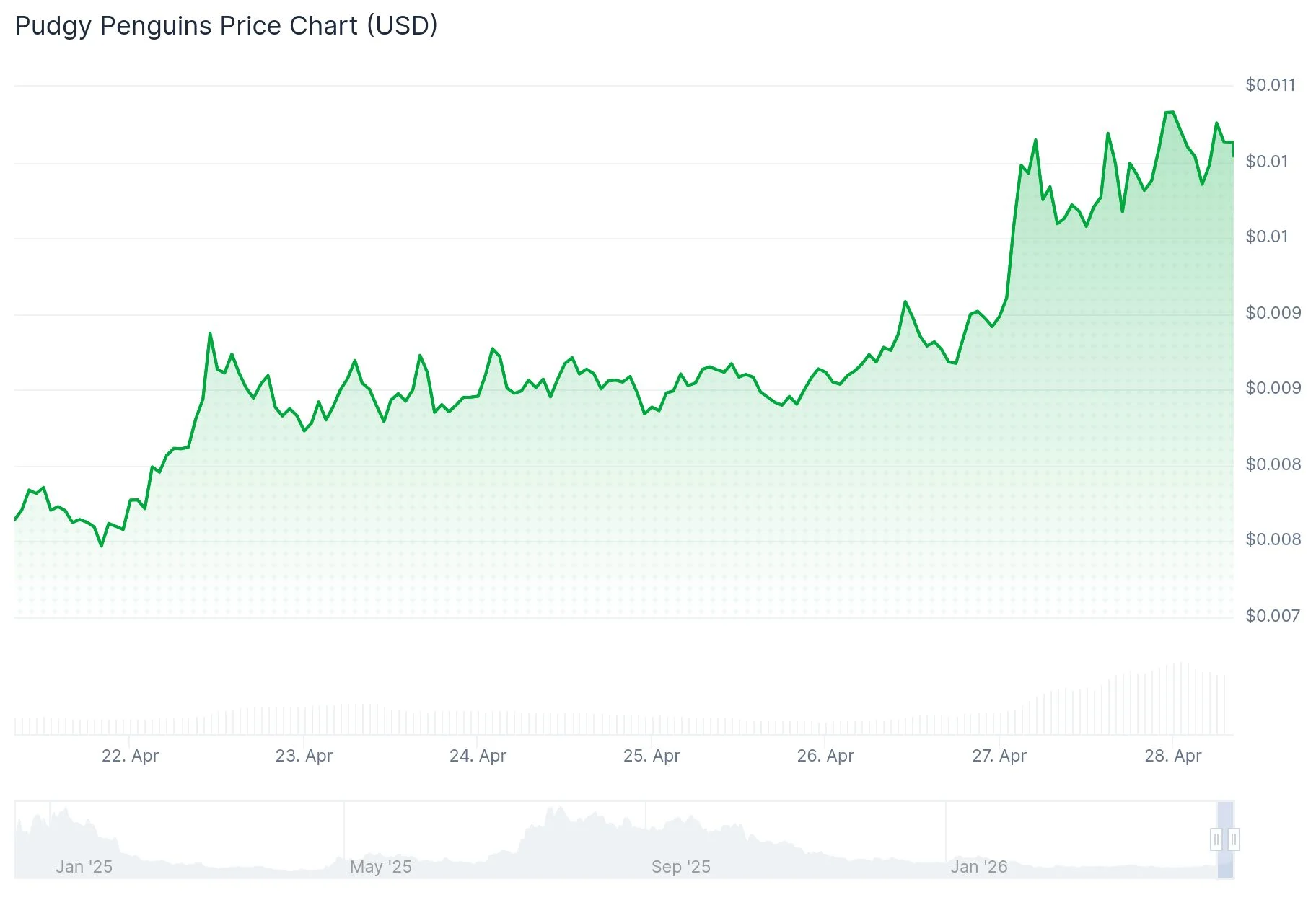
Pudgy Penguins (PENGU) Hits 3-Month Peak Amid NFT Token Revival

XRP Breakout Setup Faces Heavy Supply Test




