

Bank of Mexico’s Stark Warning: Why Crypto Must Stay at a Distance

BitcoinWorld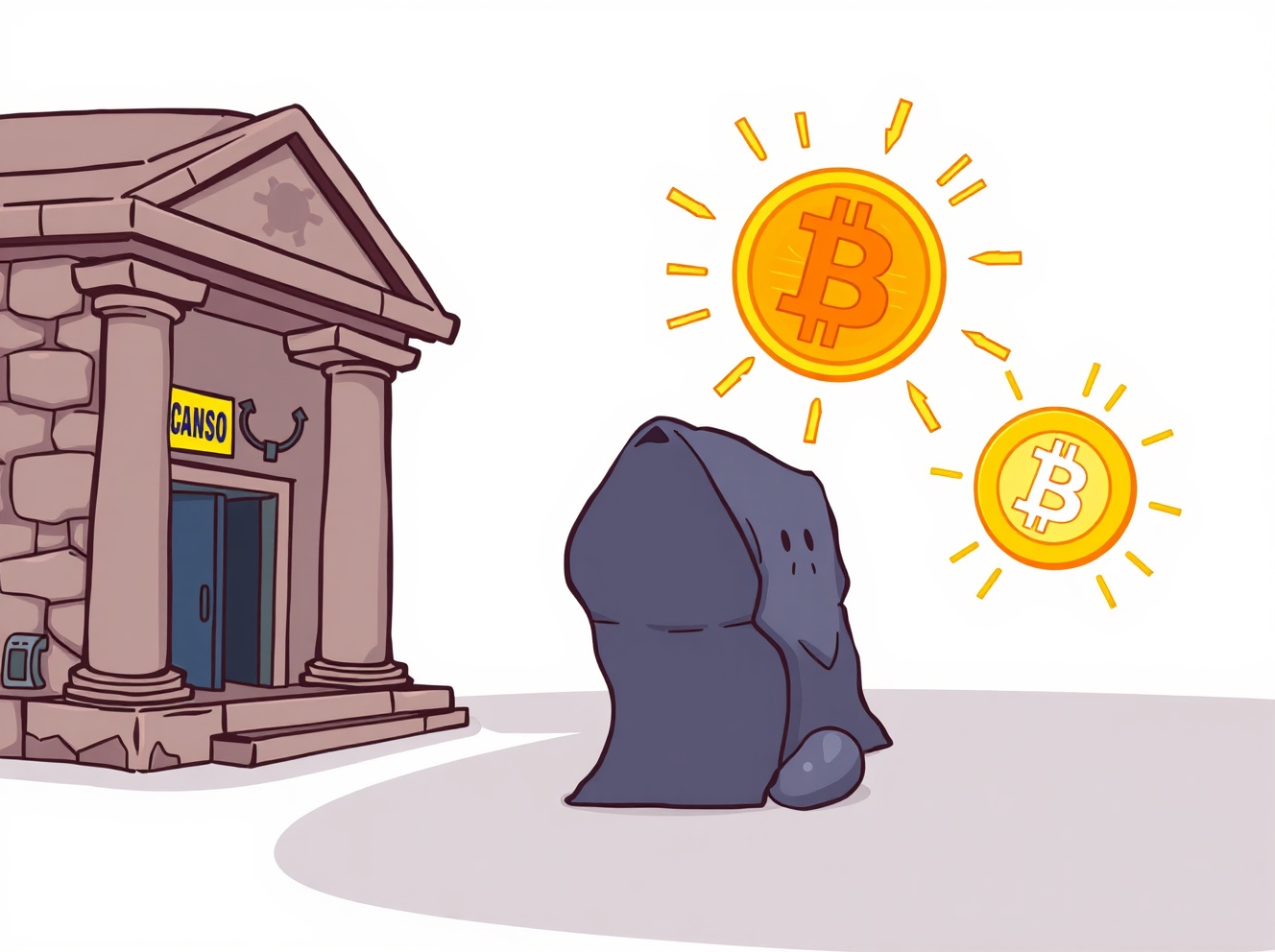
Bank of Mexico’s Stark Warning: Why Crypto Must Stay at a Distance
In a decisive move that clarifies its stance, the Bank of Mexico has drawn a firm line in the sand between the traditional financial world and the volatile realm of digital assets. The central bank’s year-end report delivers a clear message: for now, crypto must keep its distance. This cautious approach by the Bank of Mexico highlights the profound challenges regulators face as they navigate the intersection of innovation and stability.
Why is the Bank of Mexico Keeping Crypto at Arm’s Length?
The central bank’s decision isn’t born from mere skepticism; it’s rooted in specific, cited concerns. The report points to several critical issues that prevent a warmer embrace of cryptocurrency. First and foremost is the notorious price volatility, which makes cryptocurrencies unreliable as stores of value or mediums of exchange for a stable economy. Furthermore, the bank highlighted significant operational and security risks inherent in many crypto platforms, alongside ongoing worries about money laundering and inadequate consumer protection frameworks. For the Bank of Mexico, these aren’t theoretical problems—they are immediate threats to financial integrity.
The Hidden Danger: Are Stablecoins a Systemic Risk?
Perhaps the most pointed warning in the report concerns stablecoins. While often marketed as a safe bridge between crypto and traditional finance, the Bank of Mexico sees them differently. The report explicitly warns that the expanding use of stablecoins, without a proper regulatory framework, could pose systemic risks to the entire financial system. Why? Because these digital assets promise stability (like a traditional currency) but operate in a largely unregulated space. If a major stablecoin were to fail, the contagion could spill over into the traditional banking sector, affecting everyday citizens and businesses. This makes the call for separation not just conservative, but arguably precautionary.
What Would Change the Bank of Mexico’s Mind on Crypto?
The door isn’t permanently closed. The Bank of Mexico concluded that integration could only be considered after one crucial development: the establishment of a consistent and robust global regulatory framework. Until such a framework is in place, the bank believes it is crucial to maintain a “healthy distance.” This stance mirrors a growing consensus among many global central banks. They are essentially waiting for the crypto industry to mature under clear rules that address:
- Investor Protection: Clear rules to safeguard users from fraud and market manipulation.
- Financial Stability: Mechanisms to prevent crypto market crashes from affecting traditional banks.
- Anti-Money Laundering (AML): Enforceable, transparent standards to prevent illicit finance.
The Global Context: Is Mexico an Outlier on Crypto Policy?
Mexico’s position is actually quite measured. It sits between nations with outright bans and those racing to adopt crypto-friendly laws. The Bank of Mexico isn’t banning cryptocurrency outright for individuals; it is preventing its integration into the core, regulated financial system it oversees. This “wait-and-see” approach allows innovation to continue in the private sector while the public sector builds the necessary guardrails. The central bank’s priority remains unequivocally the protection of the peso and the stability of Mexico’s national payment systems.
Conclusion: A Prudent Pause, Not a Permanent Rejection
The Bank of Mexico’s report sends a powerful signal. It acknowledges the existence of cryptocurrency but refuses to grant it legitimacy within the traditional financial architecture until significant risks are mitigated. This stance prioritizes systemic safety over speculative innovation. For crypto advocates, the path forward is clear: the industry must collaborate to build the transparent, secure, and regulated environment that central banks demand. Until then, in Mexico and many other countries, the distance will remain.
Frequently Asked Questions (FAQs)
Q: Does this mean cryptocurrency is illegal in Mexico?
A: No. The Bank of Mexico’s statement is about keeping crypto separate from the traditional banking system it regulates. Individuals can still own and trade cryptocurrencies, but banks under its supervision won’t be integrating them.
Q: What are the main risks the Bank of Mexico is worried about?
A: The report highlights four key areas: extreme price volatility, operational and cybersecurity failures on crypto platforms, potential for money laundering, and a lack of consumer protection for investors.
Q: Why are stablecoins specifically mentioned as a risk?
A: Stablecoins are pegged to traditional assets like the US dollar. Their rapid growth without regulation means a potential failure could directly impact the traditional financial system, creating “systemic risk.”
Q: Will Mexico ever regulate and adopt cryptocurrency?
A: The report leaves the door open. The Bank of Mexico stated that a “consistent regulatory framework” is the prerequisite for any future integration, suggesting it’s a possibility, but not an immediate one.
Q: How does Mexico’s stance compare to other countries?
A: Mexico’s approach is cautious but not extreme. It is more open than countries with outright bans but more reserved than “crypto-havens” like El Salvador. It aligns with the cautious stance of many major economies.
Did you find this breakdown of the Bank of Mexico’s crypto stance insightful? Help others understand this critical development by sharing this article on your social media channels. The conversation about regulation affects everyone in the crypto space!
To learn more about the latest central bank and cryptocurrency trends, explore our article on key developments shaping global regulatory approaches to digital asset adoption.
This post Bank of Mexico’s Stark Warning: Why Crypto Must Stay at a Distance first appeared on BitcoinWorld.


You May Also Like

The changing face of elder care in Malaysia — Sayed Mohammad Reza Yamani Sayed Umar

Not a loophole: Singapore AI export controls let China tap US AI legally

Unlocking Massive Value: Curve Finance Revenue Sharing Proposal for CRV Holders



