

Crypto traders shift focus to January after Fed rate cut failed to spark Santa rally
Crypto traders hoping for a festive lift have been forced to reset expectations. The long-anticipated Federal Reserve rate cut arrived on Wednesday, a 25-basis-point cut, lowering the federal funds target to 3.50-3.75 per cent, yet it did little to ignite the traditional year-end momentum many in the market were watching for. Instead of a Santa rally, Bitcoin slipped from about $94,000 to below $90,000 within minutes of the Fed’s announcement, with other major coins following the same trend.
The reaction was telling. After a year defined by shifting macro signals and aggressive positioning, the first rate cut of this cycle was expected to offer a psychological boost. It did not. Markets pulled back, and crypto sentiment reset almost immediately. Traders are now looking past December and pinning their hopes on early 2026, where conviction appears far stronger than anything on offer this season.
Adam Chu, chief researcher at the options analytics platform GreeksLive, is quoted by Decrypt as having said that the seasonal liquidity crunch remains a major factor. “With Christmas and year-end settlement approaching, this period historically marks the weakest liquidity conditions in crypto,” he noted. He added that market activity tends to thin out sharply in late December. The result is a narrow window where even positive news struggles to translate into meaningful price action.
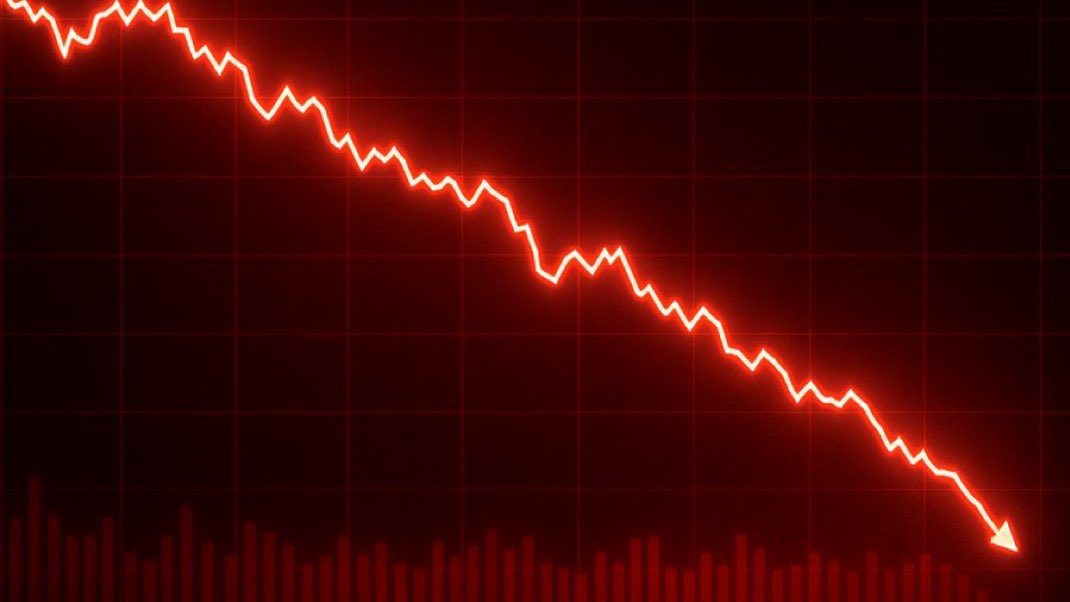 Bitcoin slumps despite Fed rate cut
Chu also pointed to a drop in implied volatility, a key metric watched closely by options traders. Lower implied volatility signals fewer expectations for sharp price swings. It is another reason, he said, why the odds of a sustained December rally were always slim. The aggressive positioning seen earlier in the quarter appears to have eased, replaced with caution as traders step back from the market’s most speculative corners.
The crypto market is now looking to 2026 instead
While December has disappointed, the tone for the first quarter of 2026 is far more optimistic. Traders are already shifting capital and risk appetite towards January and beyond, betting that the combination of looser monetary policy and fresh inflows could produce a stronger trend.
Sean Dawson, head of research at the on-chain options platform Derive, said the probability of Bitcoin pushing decisively through the six-figure threshold before Christmas has dwindled. “The chance of Bitcoin reclaiming and settling above $100,000 by Christmas now sits at around 24%,” he said. Only a month ago, those expectations were much higher. The new data shows how quickly sentiment has cooled.
Also read: Coinbase opens up full Solana token trading through in-app DEX for its 120 million users
Yet Dawson sees powerful signals further out. He said bullish traders are now “levering up for an explosive Q1”, pointing to a surge in call-option activity. Contracts at the $130,000 and $180,000 strikes for March 2026 have seen heavy accumulation. For analysts tracking order flow, it is a clear indication that traders believe the real opportunity lies beyond the holiday relative lull.
Several factors support this shift. The broader macro backdrop, while still uncertain, is expected to tilt more supportive as rate cuts stack up over the next year. Institutional flows into Bitcoin-linked products have remained steady. And despite short-term weakness, long-term holders continue to accumulate, reducing available supply on exchanges. Together, these dynamics help explain why bullish conviction has not evaporated but merely migrated to the first quarter.

For now, the market must navigate what is typically the quietest period of the year. Liquidity remains thin. Retail participation tends to fall away. And many major players prefer to avoid taking fresh risks before books close.
The lack of a Santa rally may frustrate some, but the data shows a more nuanced picture. Bitcoin has already logged strong gains this year, and the market is behaving more like a maturing asset class than in previous cycles. Sharp rallies on news events are becoming less common. Instead, traders appear more focused on multi-month positioning and macro catalysts that could build momentum through the early months of 2026.
The next few weeks may still deliver surprises, but expectations have shifted decisively. The real story is no longer the December dip. It is the growing belief that early 2026 could set the tone for the next major phase of Bitcoin’s market cycle.


You May Also Like
EIGEN up +24.19%, BTC +1.50%, Aerodrome Finance is The Coin of The Day - Daily Market Update for Jun 20, 2026
Crypto Price Prediction for Today, June 20: Bitcoin (BTC), XRP, and Solana (SOL)

Ozak AI Presale 99.74% Sold: $OZ Listing Date And Price Prediction



