

Revealed: Why Tether’s $1.1 Billion Juventus Acquisition Bid Was Rejected
BitcoinWorld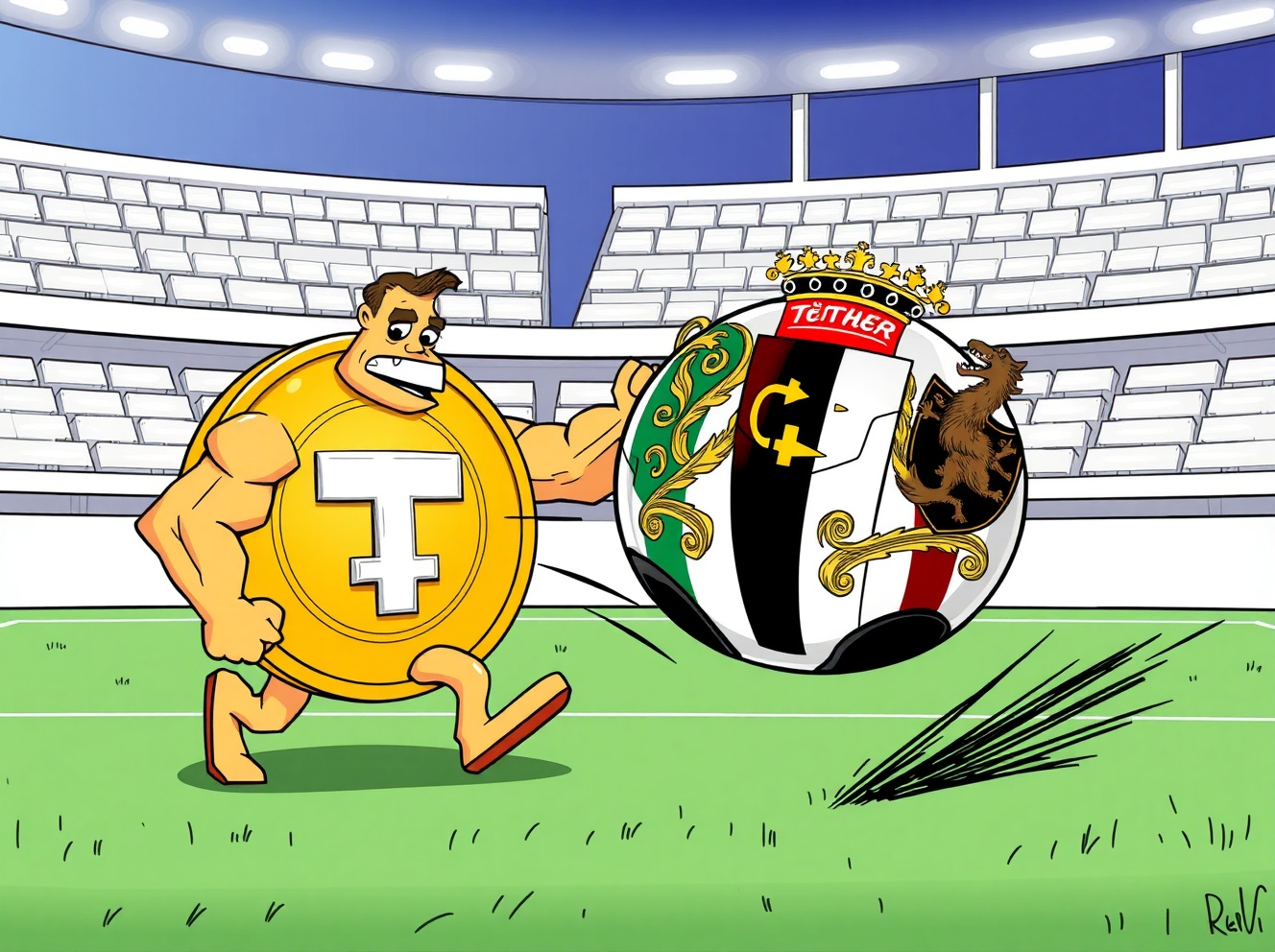
Revealed: Why Tether’s $1.1 Billion Juventus Acquisition Bid Was Rejected
In a stunning move that bridges the worlds of high finance, cryptocurrency, and elite sports, stablecoin issuer Tether made a colossal play for Italian football giant Juventus. However, the club’s century-old controlling shareholder delivered a firm and unanimous rejection. This Tether Juventus acquisition attempt marks a pivotal moment, highlighting both the ambitious reach of crypto firms and the formidable barriers to traditional sports ownership.
What Was Tether’s Juventus Acquisition Offer?
According to reports from Cointelegraph, Tether proposed a takeover bid valuing the entire club at approximately €1 billion, or about $1.1 billion. The offer broke down to €2.66 per share. This bold move targeted one of the most iconic brands in global football, a club with a massive international fanbase and a storied history in Serie A. The proposed Tether Juventus acquisition immediately raised eyebrows across financial and sporting circles.
Why Did Exor Reject the Bid?
The rejection was swift and decisive. On December 14, Exor, the holding company of the Agnelli family, issued an official statement. Its board unanimously turned down Tether’s proposal. Exor is no ordinary shareholder; it controls a dominant 65.4% stake in Juventus and has been the club’s guiding force for over 100 years. This legacy creates a high barrier for any external takeover. Key reasons for the rejection likely include:
- Legacy and Control: The Agnelli family views Juventus as a core part of its identity, not just a financial asset.
- Strategic Vision: The club is in the midst of a long-term sporting and financial rebuilding project.
- Regulatory Scrutiny: Linking a major football institution to a cryptocurrency firm could invite complex regulatory challenges.
What Does This Mean for Crypto in Sports?
This failed Tether Juventus acquisition is a landmark case study. While cryptocurrency companies have successfully entered sports through sponsorships and fan tokens, direct ownership of a top-tier club is a different challenge entirely. Tether’s attempt shows the sector’s growing confidence and capital. However, the rejection underscores that deep-rooted, traditional institutions are not easily swayed by crypto wealth alone. The deal’s collapse signals that for crypto firms, the path to major sports ownership may require more than just a compelling financial offer.
The Bigger Picture: Challenges and Future Prospects
This event forces us to ask a critical question: Are traditional football dynasties ready for crypto ownership? The answer, for now, appears mixed. On one hand, clubs constantly seek new revenue streams and global engagement, areas where crypto and blockchain offer innovative solutions. On the other hand, the volatility and regulatory uncertainty surrounding crypto assets pose significant risks to a club’s stability and reputation. Therefore, future attempts may focus on minority stakes or partnerships rather than outright acquisition.
Conclusion: A Defining Moment for Both Worlds
The rejected Tether Juventus acquisition bid is more than a simple business news item. It is a defining moment at the intersection of two powerful industries. It demonstrates the aggressive expansion strategy of leading crypto entities while simultaneously revealing the resilience of traditional sports governance. For fans and investors, it serves as a clear reminder that in the high-stakes game of football club ownership, history, legacy, and long-term vision can outweigh even the most substantial financial proposal.
Frequently Asked Questions (FAQs)
Q1: How much was Tether’s bid for Juventus?
A1: Tether’s acquisition offer valued Juventus at approximately €1 billion, or about $1.1 billion US dollars.
Q2: Who currently owns Juventus Football Club?
A2: The majority owner is Exor, the holding company of Italy’s Agnelli family, which controls a 65.4% stake in the club.
Q3: Why would Tether want to buy a football club?
A3: Acquiring a globally recognized brand like Juventus offers immense marketing value, mainstream legitimacy, and a platform to integrate crypto-based fan engagement and payment solutions.
Q4: Has any cryptocurrency company successfully bought a major sports team?
A4: While there have been investments and sponsorships, a full acquisition of a top-tier football club of Juventus’s stature by a pure-play crypto firm has not yet occurred. This rejection highlights the significant hurdles.
Q5: What is Exor, and why is its decision so important?
A5: Exor is a major investment company controlled by the Agnelli family. Its unanimous rejection is crucial because it holds the controlling stake, effectively making the final decision on any sale.
Q6: Could Tether or another crypto firm try again in the future?
A6: While possible, any future attempt would likely need to address the concerns of legacy, control, and long-term strategy that led to this rejection, potentially through a different structure like a minority investment.
Found this analysis of the failed Tether Juventus acquisition insightful? The collision of crypto and traditional sports is just beginning. Help others understand this pivotal story by sharing this article on your social media channels!
To learn more about the latest trends in cryptocurrency and institutional adoption, explore our article on key developments shaping the future of blockchain in mainstream finance.
This post Revealed: Why Tether’s $1.1 Billion Juventus Acquisition Bid Was Rejected first appeared on BitcoinWorld.


You May Also Like

US-Israel strikes target Iran’s nuclear weaponization capabilities

Litecoin Bulls See XRP Like Breakout Setup as LTC Targets Major Upside




