

World Liberty Financial Forges Revolutionary MMA Partnership to Build Blockchain Combat Sports Ecosystem
BitcoinWorld
World Liberty Financial Forges Revolutionary MMA Partnership to Build Blockchain Combat Sports Ecosystem
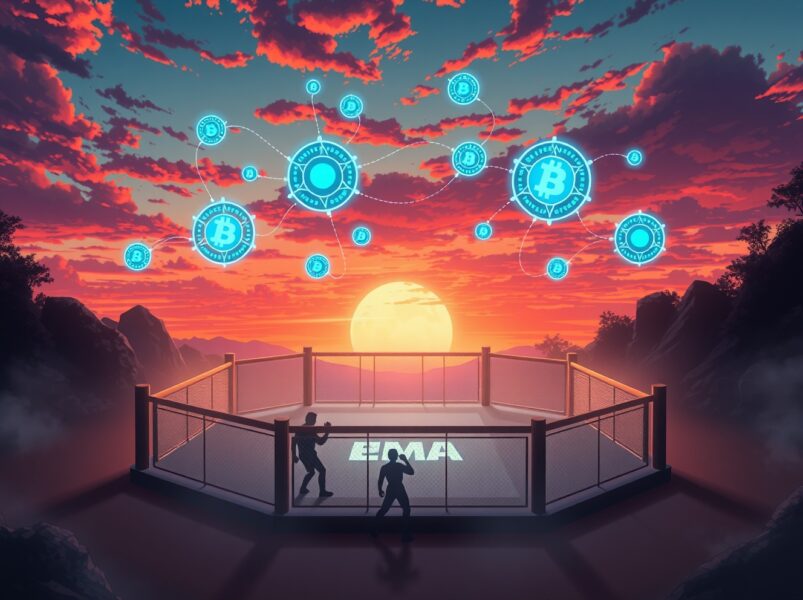
In a landmark move that bridges traditional finance with digital innovation, World Liberty Financial has announced a groundbreaking partnership with MMA Group to create the world’s first comprehensive blockchain-based combat sports ecosystem. This strategic alliance, confirmed through a signed memorandum of understanding, represents a significant evolution in how sports organizations leverage cryptocurrency technology for fan engagement and operational efficiency. The collaboration specifically focuses on developing dedicated utility tokens, integrating stablecoin payment systems, and establishing transparent governance frameworks that could redefine athlete-fan relationships across the global mixed martial arts community.
World Liberty Financial MMA Partnership Details and Strategic Vision
The partnership between World Liberty Financial (WLFI) and Mixed Martial Arts Group Limited (MMA.INC) establishes a formal framework for technological collaboration. According to the memorandum of understanding, both organizations commit substantial resources toward building an integrated digital ecosystem. This ecosystem will serve multiple stakeholders including athletes, promoters, venues, and millions of global fans. The initiative represents WLFI’s first major foray into sports technology integration, building upon their existing financial infrastructure expertise. Meanwhile, MMA Group brings decades of combat sports experience and an established global network of events, athletes, and broadcasting partnerships.
Industry analysts note this partnership arrives during a period of accelerated digital transformation across professional sports. Major leagues increasingly explore blockchain applications for ticketing, merchandise, and fan engagement. However, the WLFI-MMA collaboration distinguishes itself through its comprehensive approach. Rather than implementing isolated blockchain solutions, the partners envision an interconnected system where digital assets facilitate numerous interactions within the combat sports economy. This systemic approach could potentially create network effects that benefit all participants while establishing new revenue streams.
Technical Architecture and Implementation Timeline
The partnership outlines a phased implementation approach beginning with infrastructure development in Q2 2025. Initial technical specifications indicate the ecosystem will operate on a permissioned blockchain network optimized for high transaction throughput. This technical foundation must accommodate potentially millions of microtransactions during major events. Development teams from both organizations will collaborate on smart contract design, wallet integration, and security protocols. Furthermore, the partners plan extensive testing with select regional promotions before global deployment. This cautious rollout strategy aims to identify potential technical challenges while building user confidence in the new systems.
Blockchain Combat Sports Ecosystem Development
The proposed blockchain ecosystem represents a fundamental reimagining of fan participation in combat sports. Traditional spectator relationships typically involve passive consumption of content with limited interaction beyond ticket purchases and merchandise. Conversely, the WLFI-MMA ecosystem promises to transform spectators into active participants through token-based engagement mechanisms. For instance, fans could potentially use utility tokens to vote on matchups, access exclusive training content, or participate in prediction markets. These interactive elements aim to deepen fan investment while creating sustainable community engagement between events.
Additionally, the blockchain infrastructure addresses longstanding industry challenges regarding transparency and revenue distribution. Smart contracts could automatically execute payment agreements between promoters, athletes, and venues based on verifiable performance metrics. This automation reduces administrative overhead while ensuring timely compensation. Historical precedents from other sports suggest such systems significantly improve trust among stakeholders. The ecosystem also plans to incorporate digital collectibles representing memorable moments, fighter profiles, and event history. These non-fungible tokens could create new memorabilia markets while preserving combat sports heritage through verifiable digital artifacts.
Ecosystem Component Comparison: Traditional vs. Blockchain Model| Component | Traditional Model | Blockchain Model |
|---|---|---|
| Ticket Sales | Centralized platforms with high fees | Direct peer-to-peer transactions with reduced costs |
| Merchandise | Physical goods with supply chain limitations | Digital and physical goods with provenance tracking |
| Fan Voting | Limited to occasional online polls | Continuous token-based governance on matchups and events |
| Revenue Distribution | Manual processes with delayed payments | Automated smart contracts with instant settlement |
| Content Access | Subscription-based walled gardens | Token-gated exclusive content and experiences |
Athlete and Promotion Benefits Analysis
Beyond fan engagement, the ecosystem offers substantial benefits for athletes and promotions. Emerging fighters often struggle with financial stability between competitions. The token economy could provide alternative revenue streams through digital merchandise sales and fan support mechanisms. Established athletes might leverage their personal brands through verified digital collectibles and exclusive content offerings. For promotions, the blockchain infrastructure reduces payment processing costs while improving audit capabilities. Regional organizations particularly benefit from access to global fan bases without traditional geographic limitations. These advantages collectively strengthen the entire combat sports industry’s economic foundation.
MMA Utility Token Design and Economic Model
The dedicated utility token represents the cornerstone of the proposed ecosystem’s economic architecture. Preliminary design documents indicate the token will serve multiple functions within the combat sports network. Primary use cases include event access, content unlocking, voting rights, and reward distribution. Unlike speculative cryptocurrencies, this utility token derives value primarily from its functional applications within a specific ecosystem. This design philosophy aligns with regulatory guidance emphasizing utility over investment characteristics. Token economics must balance supply distribution with sustainable demand generation to maintain functional stability.
Distribution mechanisms likely incorporate several acquisition pathways for users. Fans might purchase tokens directly through partnered exchanges or earn them through platform participation. Athletes and content creators could receive tokens as compensation for their contributions to the ecosystem. This multi-channel distribution model prevents excessive concentration while encouraging broad participation. Additionally, the partners plan to implement deflationary mechanisms such as token burning for certain premium features. These economic controls aim to preserve token utility despite fluctuating market conditions external to the ecosystem.
- Access Utility: Tokens grant entry to digital and physical events
- Governance Utility: Token holders influence matchmaking and rule evolution
- Content Utility: Unlock exclusive training, behind-the-scenes, and archival footage
- Reward Utility: Earn tokens for platform engagement and content creation
- Merchandise Utility: Purchase digital and physical goods with token discounts
Regulatory Considerations and Compliance Framework
Utility token implementation requires careful navigation of evolving global regulations. The partnership acknowledges this challenge by prioritizing compliance throughout development. Legal teams from both organizations collaborate with regulatory experts across key jurisdictions. Their approach emphasizes transparency in token functionality while avoiding characteristics typically associated with securities. This precaution reflects lessons learned from previous sports token projects that faced regulatory scrutiny. The compliance framework also addresses anti-money laundering requirements, know-your-customer protocols, and geographic restrictions where necessary. These efforts demonstrate the partners’ commitment to sustainable, legally sound implementation.
USD1 Stablecoin Integration in Sports Payments
World Liberty Financial’s USD1 stablecoin plays a crucial role in the ecosystem’s financial infrastructure. As a digital currency pegged to the US dollar, USD1 provides price stability essential for predictable transactions. Integration plans include USD1 acceptance for ticket purchases, pay-per-view events, and merchandise sales. This implementation offers several advantages over traditional payment methods. Transaction settlement occurs within minutes rather than days, improving cash flow for all parties. Additionally, cross-border payments bypass conventional banking intermediaries and associated fees. These efficiencies particularly benefit international fans and athletes navigating multiple currency exchanges.
The reward system further leverages USD1’s stability for predictable value distribution. Athletes might receive bonus compensation in USD1 based on performance metrics verified through smart contracts. Fans could earn USD1 rewards for platform engagement, content creation, or successful predictions. This stablecoin integration creates a seamless financial experience within the ecosystem while minimizing cryptocurrency volatility concerns. Historical data from other stablecoin implementations demonstrates significant adoption when users perceive clear utility and reliable stability. The partners anticipate USD1 will become the preferred medium of exchange for high-value transactions within the combat sports network.
Payment System Architecture and Security Protocols
Technical implementation of USD1 payments requires robust security measures given the substantial transaction volumes anticipated. The partnership commits to enterprise-grade security protocols including multi-signature wallets, cold storage for reserves, and regular third-party audits. These measures protect user funds while maintaining necessary liquidity for ecosystem operations. Payment interfaces will prioritize user experience through simplified wallet connections and transaction confirmations. Additionally, the system incorporates fraud detection algorithms adapted from traditional financial systems. This comprehensive approach addresses both technical vulnerabilities and user behavior patterns that might indicate malicious activity.
On-Chain Governance Framework for Combat Sports
The governance framework represents perhaps the most innovative aspect of the entire ecosystem. Traditional sports organizations typically employ centralized decision-making structures with limited stakeholder input. In contrast, the WLFI-MMA partnership proposes a decentralized governance model where token holders influence certain operational decisions. This framework could include voting mechanisms for event locations, rule modifications, or charity initiatives. While major business decisions remain with organizational leadership, community governance empowers fans and participants regarding experiential elements. This balance maintains operational efficiency while fostering community ownership.
Governance implementation utilizes transparent voting mechanisms recorded on the blockchain. Each proposal includes detailed documentation and discussion periods before voting commencement. Token-based weighting ensures voting power corresponds to ecosystem participation levels. This design prevents manipulation while encouraging informed decision-making. Historical analysis of decentralized autonomous organizations suggests such frameworks successfully engage communities when participants perceive meaningful influence. The combat sports application represents a novel adaptation of these principles to entertainment-based ecosystems rather than purely financial protocols.
Stakeholder Participation and Incentive Alignment
Effective governance requires active participation from diverse stakeholder groups. The framework incorporates specific incentives for different participant categories. Athletes might receive governance tokens based on their competitive tenure and platform contributions. Promotions earn governance rights proportionate to their event history and fan engagement metrics. Fans accumulate governance power through consistent platform interaction and token holdings. This stratified approach ensures representation across the ecosystem while aligning incentives with long-term sustainability. Early governance proposals will likely focus on relatively minor decisions, with complexity increasing as the community demonstrates responsible participation.
Industry Impact and Future Development Roadmap
This partnership signals broader industry trends toward digital transformation in sports entertainment. Other combat sports organizations will likely monitor implementation outcomes for potential adaptation. Success could inspire similar blockchain integrations across boxing, wrestling, and other athletic disciplines. The ecosystem’s open architecture theoretically allows expansion beyond mixed martial arts, though initial development prioritizes MMA-specific applications. Future development phases might incorporate virtual reality experiences, augmented reality enhancements, and artificial intelligence training tools. These technological layers would build upon the foundational blockchain infrastructure established in initial implementation.
The roadmap extends beyond technical features to include educational initiatives about cryptocurrency adoption. Many sports fans remain unfamiliar with digital asset management and blockchain technology. The partners plan comprehensive educational resources explaining ecosystem participation in accessible language. These materials will address common concerns regarding security, taxation, and practical usage. Additionally, the partnership includes provisions for academic research collaborations studying the ecosystem’s economic and social impacts. This commitment to transparency and study reflects responsible innovation principles increasingly expected from major technology implementations.
Conclusion
The World Liberty Financial MMA partnership represents a transformative moment for combat sports and blockchain integration. This collaboration combines financial innovation with athletic tradition through carefully designed utility tokens, stablecoin payments, and community governance. While implementation challenges undoubtedly await, the comprehensive approach addresses technical, regulatory, and user experience considerations. Successful deployment could establish new standards for fan engagement, athlete compensation, and organizational transparency across professional sports. As development progresses through 2025, the industry will closely watch whether this ambitious vision translates into practical benefits for the global combat sports community.
FAQs
Q1: What is the primary goal of the World Liberty Financial and MMA Group partnership?
The partnership aims to build a comprehensive blockchain-based ecosystem for combat sports that enhances fan engagement, streamlines payments, and creates new economic opportunities through utility tokens and stablecoin integration.
Q2: How will the MMA utility token be used within the ecosystem?
The utility token will provide access to events and content, enable governance voting, facilitate merchandise purchases, and serve as rewards for platform participation, creating multiple functional applications beyond speculative trading.
Q3: What advantages does USD1 stablecoin offer over traditional payment methods?
USD1 enables faster settlement times, reduced transaction fees, simplified cross-border payments, and protection against cryptocurrency volatility while maintaining price stability through its U.S. dollar peg.
Q4: How will the on-chain governance framework work for participants?
Token holders will participate in transparent voting on certain ecosystem decisions through blockchain-recorded proposals, with voting power typically corresponding to token holdings and platform engagement levels.
Q5: When can users expect to access the new blockchain ecosystem?
Initial development phases begin in Q2 2025 with testing in select regional markets, followed by gradual global expansion throughout 2026 based on technical performance and user adoption metrics.
This post World Liberty Financial Forges Revolutionary MMA Partnership to Build Blockchain Combat Sports Ecosystem first appeared on BitcoinWorld.
You May Also Like

Trump Media received 260 BTC from Coinbase, worth $21 million.

Jerome Powell’s Press Conference: Crucial Insights Unveiled for the Market’s Future
