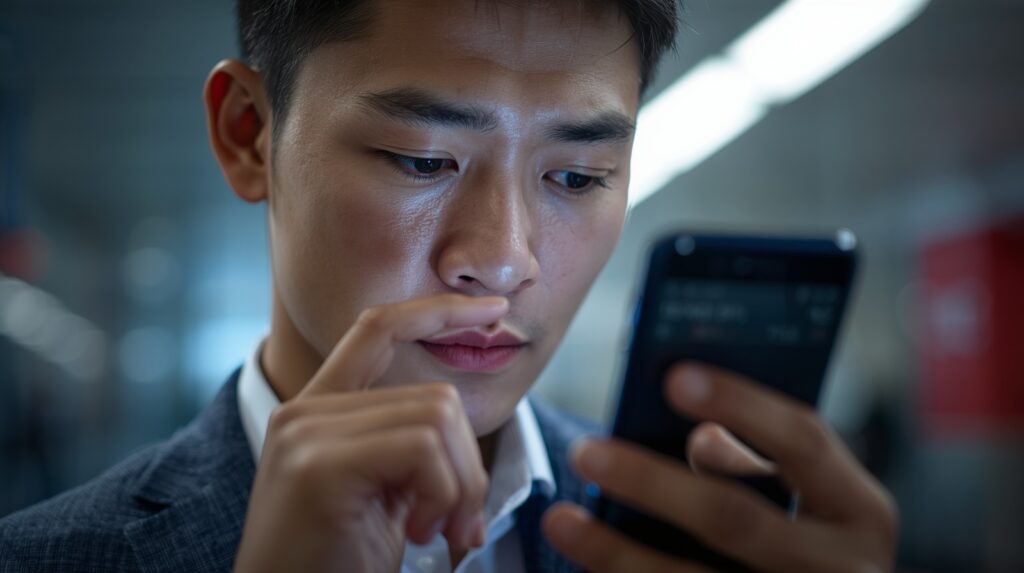
If you have ever pressed play on a video and noticed that the lips move just a bit before the sound arrives, you have already experienced audio latency. It is one of those technical issues that feels small at first but quickly becomes annoying once you notice it. For gamers, musicians, streamers, and even casual users watching YouTube or attending online meetings, audio latency can quietly ruin the experience.
What makes audio latency tricky is that it often hides in plain sight. Many people sense that something feels off but cannot immediately explain why. The purpose of this article is to break down audio latency in a simple, human way. We will explore why it matters, how it affects real-world use, and how you can measure it accurately without needing expensive lab equipment.
What Is Audio Latency in Simple Terms?
Audio latency is the delay between the moment a sound is created and the moment you actually hear it. This delay can be as tiny as a few milliseconds or large enough to be clearly noticeable.
Think about clapping your hands while wearing wireless headphones connected to a computer. You see your hands clap instantly, but the sound reaches your ears slightly later. That gap is audio latency.
In technical environments, audio latency is measured in milliseconds. For reference:
- Under 20 milliseconds usually feels instant to the human ear.
- Between 20 and 50 milliseconds is noticeable to trained users like musicians.
- Above 100 milliseconds feels distracting for most people.
- Over 200 milliseconds can make real-time interaction almost impossible.
Why Audio Latency Matters More Than You Think
Many users assume audio latency is only a concern for professionals. In reality, it affects almost everyone who uses modern digital devices.
Everyday Media Consumption
When watching movies or online videos, even a small mismatch between audio and visuals can break immersion. Dialogue feels unnatural, and action scenes lose their impact. Once you notice this issue, it becomes hard to ignore.
Online Meetings and Calls
Audio latency during video calls causes awkward pauses and people talking over each other. You might think someone has finished speaking, only to realize their voice was delayed. Over time, this creates communication fatigue.
Gaming Experience
For gamers, latency is not just annoying. It directly affects performance. Hearing footsteps late or reacting to sound cues after the visual event can cost you a match. Competitive gamers are especially sensitive to even minor delays.
Music Production and Recording
Musicians experience audio latency in a very personal way. When you play a note and hear it late through your headphones, your timing falls apart. This is why low-latency monitoring is critical in recording studios.
Content Creation and Streaming
Streamers and podcasters need audio and video to stay in sync. Viewers quickly lose trust in content that feels poorly produced, even if the creator does not realize latency is the root cause.
Common Causes of Audio Latency
Understanding where latency comes from helps you reduce or measure it effectively.
Wireless Technology
Bluetooth audio is one of the most common sources of noticeable latency. While newer codecs have improved, wireless audio still introduces delay compared to wired connections.
Software Processing
Audio passes through multiple software layers, including operating systems, drivers, and applications. Each step adds a small delay that can stack up.
Hardware Limitations
Sound cards, USB audio interfaces, and DACs all process audio differently. Lower-quality hardware often introduces more latency.
Buffer Size Settings
In music and audio software, buffer size plays a huge role. Larger buffers improve stability but increase latency. Smaller buffers reduce latency but can cause crackling if the system cannot keep up.
Browser-Based Audio
Web-based tools and streaming platforms rely on browser audio pipelines, which can vary by browser and operating system. This is why audio latency can feel different across devices.
How Much Audio Latency Is Acceptable?
The answer depends on how you use audio.
For casual video watching, most people tolerate up to 100 milliseconds without consciously noticing. For gaming and voice communication, anything above 50 milliseconds can start to feel off. Musicians often aim for under 10 milliseconds to maintain natural timing.
The key point is that acceptable latency is subjective. What feels fine for one user may be unacceptable for another. This is why measuring latency accurately matters.
Why Guessing Audio Latency Is Not Enough
Many users rely on feeling alone to judge latency. While instinct helps, it is not reliable.
You might blame your headphones when the real issue is software buffering. You might upgrade hardware unnecessarily because you never measured the actual delay. Without numbers, you are guessing.
Accurate measurement gives you clarity. It allows you to compare devices, tweak settings, and confirm whether a fix actually worked.
How Audio Latency Is Measured
At its core, measuring audio latency involves timing the difference between when a sound is played and when it is captured or heard.
Traditional Methods
Professionals use loopback tests with audio interfaces. A signal is sent out and recorded back in, and the delay is calculated. While accurate, this method requires hardware, cables, and technical knowledge.
Practical Online Measurement
For most users, browser-based tools provide a much more accessible solution. These tools play a sound and record the response through a microphone, calculating the delay automatically.
This is where an online audio latency test becomes extremely useful. It removes the need for complex setups and gives you real numbers within seconds. You simply follow on-screen instructions and let the tool do the work.
What Makes an Audio Latency Test Accurate?
Not all tests are created equal. Accuracy depends on several factors.
Consistent Sound Generation
The test sound must be precise and repeatable. Random or inconsistent signals can lead to inaccurate measurements.
Reliable Microphone Input
The microphone capturing the sound should be stable and free from excessive noise cancellation or enhancement features.
Minimal System Interference
Background apps, system sounds, and heavy CPU usage can affect results. A good test guides users to minimize interference.
Clear Result Interpretation
Numbers alone are not enough. A quality test explains what the results mean and how they compare to common benchmarks.
Measuring Audio Latency Step by Step
If you want reliable results, follow these practical steps.
- Use a quiet environment with minimal background noise.
- Close unnecessary applications.
- Disable sound enhancements or spatial audio temporarily.
- Use the same device setup you normally use, whether wired or wireless.
- Run multiple tests and compare results for consistency.
Using a dedicated sound test platform helps simplify this process. Instead of jumping between tools, you can test speakers, microphones, headphones, and latency in one place.
Interpreting Your Results
Once you get a number, the next step is understanding it.
If your latency is under 30 milliseconds, your setup is excellent for most uses. Between 30 and 80 milliseconds is generally acceptable for media and calls. Above 100 milliseconds suggests there is room for improvement.
Do not panic if your wireless headphones show higher latency. This is common. The value of testing is knowing your limitations and adjusting expectations or settings accordingly.
How to Reduce Audio Latency
After measuring, many users want to improve their results.
Switch to Wired Connections
This is the fastest way to reduce latency. Wired headphones and microphones almost always outperform wireless ones in delay.
Adjust Software Buffers
Lower buffer sizes in audio software can dramatically reduce latency. Just be careful not to push your system beyond its limits.
Update Drivers and Firmware
Outdated drivers often cause unnecessary delays. Keeping everything updated can lead to noticeable improvements.
Choose Low-Latency Codecs
If you must use Bluetooth, look for devices that support low-latency codecs and enable them in system settings.
Optimize Browser and System Settings
Different browsers handle audio differently. Testing across browsers can reveal surprising differences.
Why Measuring Once Is Not Enough
Audio latency can change over time. Software updates, new devices, and even system load can alter performance.
Treat latency testing as a habit rather than a one-time fix. Re-test after changes, upgrades, or when something feels off. This mindset saves time and prevents frustration in the long run.
Final Thoughts
Audio latency is not just a technical detail for experts. It directly shapes how natural, responsive, and enjoyable your digital experiences feel. Whether you are watching videos, gaming, recording music, or hosting calls, understanding latency puts you back in control.
By measuring audio latency accurately and interpreting the results with context, you move from guessing to knowing. That shift alone can transform how you troubleshoot audio issues and choose your devices.
In a world where we rely on sound more than ever, paying attention to latency is not overthinking. It is simply listening more carefully to how technology interacts with us.