Nigeria Tightens Crypto Tax Rules by Linking Transactions to TIN and NIN

The post Nigeria Tightens Crypto Tax Rules by Linking Transactions to TIN and NIN appeared first on Coinpedia Fintech News
Nigeria is taking a firm step to bring cryptocurrency activity under its tax system through the Nigeria Tax Administration Act (NTAA) 2025. The new law allows tax authorities to track crypto transactions by linking them to real-world identities using Tax Identification Numbers (TINs) and National Identification Numbers (NINs).
This is a major shift for Nigeria, one of the world’s largest crypto markets, where digital asset activity has largely remained outside direct tax oversight.
Instead of tracking blockchain activity itself, the government is focusing on identity-based monitoring. By connecting crypto transactions to verified taxpayer records, authorities can compare digital asset income with declared earnings and existing tax data.
How TIN and NIN Enable Crypto Transaction Tracking
Under the NTAA 2025, crypto transactions become traceable once they are linked to a user’s TIN and NIN.
The TIN, issued by the Nigerian Revenue Service and the Joint Revenue Board, is used to track individuals and businesses for tax purposes. The NIN is Nigeria’s primary identity number, connected to personal and biometric information.
Crypto platforms will be required to collect and report these details. This allows tax authorities to see when crypto funds enter the formal financial system and check whether related income has been properly declared. As a result, crypto activity will no longer operate anonymously for tax purposes.
Nigeria Aligns Crypto Tax Rules With Global Standards
Nigeria’s new approach follows international tax compliance standards, including the OECD’s Crypto-Asset Reporting Framework (CARF), which comes into effect on January 1, 2026.
CARF is designed to reduce tax evasion by giving authorities access to data on both local and cross-border crypto transactions.
This move places Nigeria alongside countries like the United Kingdom, where crypto firms already collect detailed personal and tax information from users. It signals that Nigeria plans to treat crypto income the same way as other taxable financial earnings.
New Reporting Rules for Crypto Exchanges and Platforms
The NTAA 2025 introduces strict reporting requirements for Virtual Asset Service Providers (VASPs). Crypto exchanges and platforms must submit monthly reports that include:
- Customer names and contact details
- Residential addresses
- TINs and NINs
- Transaction dates and asset types
- Transaction values and services provided
Tax authorities can also request additional data from crypto firms at any time, with or without prior notice, giving regulators broader visibility into crypto-related activity.
- Also Read :
- Dubai Tightens Crypto Regulation as DFSA Bans Privacy Tokens in DIFC
- ,
Crypto AML Rules and Stronger Enforcement Measures
Nigeria is also expanding crypto oversight under its anti-money laundering (AML) framework. VASPs must report large or suspicious transactions to tax authorities and the Nigerian Financial Intelligence Unit.
Crypto platforms are required to keep KYC and transaction records for at least seven years.
Earlier efforts to tax crypto, including a 10% levy introduced in 2022, struggled due to weak enforcement. The new identity-linked system, backed by penalties such as heavy fines and possible license suspension, marks a much stricter approach.
With an estimated $92.1 billion in crypto transactions flowing through Nigeria annually, the government is making it clear that digital asset income will no longer stay outside the tax system.
Never Miss a Beat in the Crypto World!
Stay ahead with breaking news, expert analysis, and real-time updates on the latest trends in Bitcoin, altcoins, DeFi, NFTs, and more.
 Subscribe to News
FAQs
Active traders, high-volume investors, and businesses using crypto for payments are likely to be affected first. Casual users may notice changes gradually as exchanges tighten onboarding and reporting processes.
Using offshore platforms does not automatically remove tax obligations. If crypto income is linked to Nigerian bank accounts or identity records, authorities may still assess tax exposure.
Platforms may limit services, raise compliance costs, or exit the market if requirements are too burdensome. Others may strengthen local partnerships to stay compliant and retain users.
Users should expect clearer tax guidance, audits focused on digital assets, and increased data sharing between agencies. Public awareness campaigns and enforcement actions may follow in 2025–2026.
You May Also Like

Report: Q2 2026 Becomes Worst Quarter Ever for Crypto Hacks

Supreme Court quietly doubling its police force — and 'loathes' acknowledging it: report
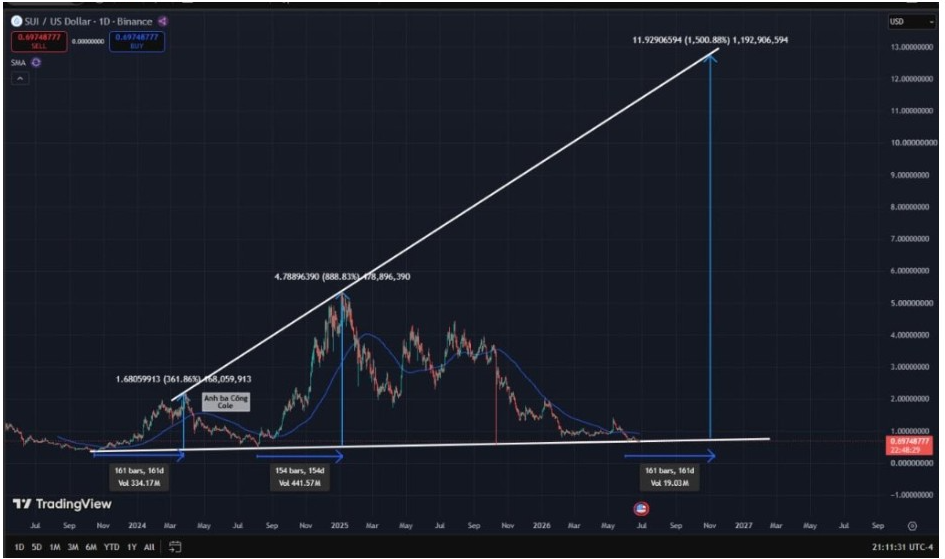
SUI Price Holds Near $0.70 as Analysts Target a Recovery Toward $0.84