You see them zipping through city streets, parked outside coffee shops, and folded neatly on the train. The electric scooter has exploded in popularity, offeringYou see them zipping through city streets, parked outside coffee shops, and folded neatly on the train. The electric scooter has exploded in popularity, offering

Your Ultimate Guide to Choosing an Electric Scooter

You see them zipping through city streets, parked outside coffee shops, and folded neatly on the train. The electric scooter has exploded in popularity, offering a fun, efficient, and eco-friendly way to get around. But with so many models, specs, and features on the market, how do you find the right one for your needs? Whether you’re a daily commuter, a weekend explorer, or simply looking for a convenient last-mile solution, this guide will help you navigate the world of personal electric transportation. Let’s find your perfect match.

Understanding the Different Types of Electric Scooters

Not all electric scooters are created equal. They are designed for specific purposes, and choosing the right category is your first step.
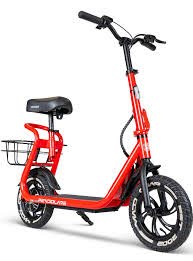
You see them zipping through city streets, parked outside coffee shops, and folded neatly on the train. The electric scooter has exploded in popularity, offering a fun, efficient, and eco-friendly way to get around. But with so many models, specs, and features on the market, how do you find the right one for your needs? Whether you're a daily commuter, a weekend explorer, or simply looking for a convenient last-mile solution, this guide will help you navigate the world of personal electric transportation. Let's find your perfect match.Understanding the Different Types of Electric ScootersNot all electric scooters are created equal. They are designed for specific purposes, and choosing the right category is your first step.Commuter & Urban Mobility ScootersBuilt for the daily grind, these models prioritize portability, reliability, and a smooth ride on pavement. They typically feature moderate speed (15-20 mph), good range (15-25 miles), and folding mechanisms for easy storage on public transit or under your desk. Water resistance is also a key feature for those caught in unexpected rain.Performance & Long-Range ScootersNeed more power and distance? These scooters are built for longer commutes or thrill-seekers. They boast stronger motors, higher top speeds (25+ mph), extended battery life (30-50+ miles), and enhanced suspension systems to handle varied terrain. They are heavier and less portable but offer a more robust riding experience.Off-Road & All-Terrain Electric ScootersDesigned for adventure, these rugged scooters feature large, knobby tires, powerful dual motors, significant ground clearance, and advanced suspension to handle dirt trails, grass, and gravel. They are the SUVs of the e-scooter world.Lightweight & Foldable ModelsUltra-portability is the name of the game here. These are perfect for multi-modal commuters who need to carry their scooter frequently. They prioritize compact folding designs and lighter weight, sometimes trading off a bit on range and top speed. You can explore a variety of these convenient models in our curatedKey Features to Consider Before You BuyNavigating the spec sheet can be confusing. Here’s what really matters.Motor Power & Speed: Measured in watts (W). A 250-350W motor is sufficient for flat city streets, while 500W+ handles hills and provides quicker acceleration. Always check local regulations, as many cities have speed limits for e-scooters on public paths.Battery & Range: Range is the biggest question mark. Manufacturer estimates are based on ideal conditions (light rider, flat ground, slow speed). For a realistic estimate, subtract 30-40% from the claimed range. Battery capacity, measured in Watt-hours (Wh), is a more reliable indicator than voltage alone.Tires & Suspension: Air-filled (pneumatic) tires provide the best shock absorption but can get flats. Solid tires are maintenance-free but offer a harsher ride. Suspension systems (spring or hydraulic) are crucial for comfort, especially on performance or off-road models.Braking System: Safety is paramount. Look for reliable braking systems:Disc Brakes: Offer strong, consistent stopping power in all weather.Drum Brakes: Low maintenance and protected from the elements.Regenerative Braking: Helps recharge the battery slightly while slowing down and often works with a rear fender brake.Electronic Brakes: Use the motor to slow the scooter but should always be paired with a physical brake system.Portability & Weight: If you have stairs or need to carry it, weight matters. Lightweight models start around 25 lbs, while performance scooters can weigh 50+ lbs. Check the folded dimensions to ensure it fits your storage space.Safety First: Gear and Riding Best PracticesRiding an e-scooter is a responsibility. Protecting yourself ensures the ride stays fun.Essential Safety Gear: A helmet is non-negotiable. Consider a multi-impact bike or skateboard helmet at a minimum. For higher speeds, a full-face mountain bike helmet is wiser. Wrist guards, knee pads, and elbow pads are highly recommended, especially for new riders.Pre-Ride Checklist: Make it a habit. Check tire pressure, test your brakes, ensure the folding mechanism is locked, and verify your battery level before heading out.Rules of the Road: Most states treat e-scooters similarly to bicycles. Ride in bike lanes where available, signal your turns, obey traffic signals, and never ride on sidewalks where prohibited. Be predictable and always be aware of cars, pedestrians, and road hazards.The Real Cost of Owning an Electric ScooterThe upfront price is just one part of the equation.Initial Purchase Price: You can find basic models for under $400, reliable commuter scooters in the $500-$900 range, and high-performance machines for $1,500+. Investing in a reputable brand from a known.Maintenance & Repairs: Budget for tire replacements (especially pneumatic ones), brake pad changes, and occasional part repairs. Learning basic maintenance can save you money.Battery Replacement & Lifespan: The battery is the most expensive component. With proper care (avoiding full discharges, storing in cool places), a scooter battery lasts 2-4 years before you may notice significant range degradation.Making Your Decision: A Step-by-Step ApproachDefine Your Primary Use: Commute? Recreation? Off-road? This narrows the field instantly.Set Your Budget: Include a buffer for safety gear and essential accessories like a lock or phone mount.Prioritize Your Top 3 Features: Is it range, portability, speed, or ride comfort? You might not get everything.Research & Compare Models: Read in-depth reviews and watch video comparisons. Pay attention to real-world range tests.Check Local Laws: Verify age restrictions, helmet laws, speed limits, and where you’re allowed to ride (bike lanes, roads, paths).ConclusionChoosing the right electric scooter is about aligning a machine's capabilities with your lifestyle and needs. By understanding the types available, scrutinizing the key features, and committing to safe riding practices, you’re well on your way to unlocking a new level of freedom and fun. The perfect e-scooter is out there, ready to transform your daily commute into the best part of your day. Ready to explore your options? FAQsWhat is the average range of an electric scooter?For most commuter-focused models, a realistic average range is between 15 and 25 miles on a single charge. High-performance models can achieve 30-50 miles, but remember, factors like rider weight, terrain, temperature, and speed significantly impact real-world range.How fast do electric scooters go?Entry-level and lightweight scooters typically max out at 15-18 mph. Mainstream commuter models often reach 20-25 mph. Performance scooters can exceed 30-40 mph. Always obey local speed limits for electric scooters.Are electric scooters legal in my city?Laws vary widely. In general, most major U.S. cities allow privately-owned e-scooters, but they often must follow bicycle rules (using bike lanes, helmet requirements for minors). It's crucial to check your specific city and state regulations before riding.How much does a good quality electric scooter cost?You can get a reliable, feature-rich commuter scooter from a reputable brand for between $500 and $900. This price point typically gets you a good balance of range (15-25 mi), speed (18-22 mph), and build quality.Can electric scooters handle hills?It depends on the motor power. A scooter with a 350W+ motor can handle moderate hills. For steeper inclines, look for a model with 500W or dual motors. Always check the manufacturer's hill grade specification (e.g., "can climb a 15% grade").How do I maintain my electric scooter?Regular maintenance includes checking and inflating tires, cleaning the deck and mechanical parts, ensuring all bolts are tight, testing brakes, and keeping the battery charged between 30-80% for long-term storage. Refer to your owner's manual for specific guidelines.

Commuter & Urban Mobility Scooters

Built for the daily grind, these models prioritize portability, reliability, and a smooth ride on pavement. They typically feature moderate speed (15-20 mph), good range (15-25 miles), and folding mechanisms for easy storage on public transit or under your desk. Water resistance is also a key feature for those caught in unexpected rain.

Performance & Long-Range Scooters

Need more power and distance? These scooters are built for longer commutes or thrill-seekers. They boast stronger motors, higher top speeds (25+ mph), extended battery life (30-50+ miles), and enhanced suspension systems to handle varied terrain. They are heavier and less portable but offer a more robust riding experience.

Off-Road & All-Terrain Electric Scooters

Designed for adventure, these rugged scooters feature large, knobby tires, powerful dual motors, significant ground clearance, and advanced suspension to handle dirt trails, grass, and gravel. They are the SUVs of the e-scooter world.

Lightweight & Foldable Models

Ultra-portability is the name of the game here. These are perfect for multi-modal commuters who need to carry their scooter frequently. They prioritize compact folding designs and lighter weight, sometimes trading off a bit on range and top speed. You can explore a variety of these convenient models in our curated

Key Features to Consider Before You Buy

Navigating the spec sheet can be confusing. Here’s what really matters.

Motor Power & Speed: Measured in watts (W). A 250-350W motor is sufficient for flat city streets, while 500W+ handles hills and provides quicker acceleration. Always check local regulations, as many cities have speed limits for e-scooters on public paths.

Battery & Range: Range is the biggest question mark. Manufacturer estimates are based on ideal conditions (light rider, flat ground, slow speed). For a realistic estimate, subtract 30-40% from the claimed range. Battery capacity, measured in Watt-hours (Wh), is a more reliable indicator than voltage alone.

Tires & Suspension: Air-filled (pneumatic) tires provide the best shock absorption but can get flats. Solid tires are maintenance-free but offer a harsher ride. Suspension systems (spring or hydraulic) are crucial for comfort, especially on performance or off-road models.

Braking System: Safety is paramount. Look for reliable braking systems:

Disc Brakes: Offer strong, consistent stopping power in all weather.

Drum Brakes: Low maintenance and protected from the elements.

Regenerative Braking: Helps recharge the battery slightly while slowing down and often works with a rear fender brake.

Electronic Brakes: Use the motor to slow the scooter but should always be paired with a physical brake system.

Portability & Weight: If you have stairs or need to carry it, weight matters. Lightweight models start around 25 lbs, while performance scooters can weigh 50+ lbs. Check the folded dimensions to ensure it fits your storage space.

Safety First: Gear and Riding Best Practices

Riding an e-scooter is a responsibility. Protecting yourself ensures the ride stays fun.

Essential Safety Gear: A helmet is non-negotiable. Consider a multi-impact bike or skateboard helmet at a minimum. For higher speeds, a full-face mountain bike helmet is wiser. Wrist guards, knee pads, and elbow pads are highly recommended, especially for new riders.

Pre-Ride Checklist: Make it a habit. Check tire pressure, test your brakes, ensure the folding mechanism is locked, and verify your battery level before heading out.

Rules of the Road: Most states treat e-scooters similarly to bicycles. Ride in bike lanes where available, signal your turns, obey traffic signals, and never ride on sidewalks where prohibited. Be predictable and always be aware of cars, pedestrians, and road hazards.

The Real Cost of Owning an Electric Scooter

The upfront price is just one part of the equation.

Initial Purchase Price: You can find basic models for under $400, reliable commuter scooters in the $500-$900 range, and high-performance machines for $1,500+. Investing in a reputable brand from a known.

Maintenance & Repairs: Budget for tire replacements (especially pneumatic ones), brake pad changes, and occasional part repairs. Learning basic maintenance can save you money.

Battery Replacement & Lifespan: The battery is the most expensive component. With proper care (avoiding full discharges, storing in cool places), a scooter battery lasts 2-4 years before you may notice significant range degradation.

Making Your Decision: A Step-by-Step Approach

Define Your Primary Use: Commute? Recreation? Off-road? This narrows the field instantly.

Set Your Budget: Include a buffer for safety gear and essential accessories like a lock or phone mount.

Prioritize Your Top 3 Features: Is it range, portability, speed, or ride comfort? You might not get everything.

Research & Compare Models: Read in-depth reviews and watch video comparisons. Pay attention to real-world range tests.

Check Local Laws: Verify age restrictions, helmet laws, speed limits, and where you’re allowed to ride (bike lanes, roads, paths).

Conclusion

Choosing the right electric scooter is about aligning a machine’s capabilities with your lifestyle and needs. By understanding the types available, scrutinizing the key features, and committing to safe riding practices, you’re well on your way to unlocking a new level of freedom and fun. The perfect e-scooter is out there, ready to transform your daily commute into the best part of your day. Ready to explore your options? 

FAQs

What is the average range of an electric scooter?

For most commuter-focused models, a realistic average range is between 15 and 25 miles on a single charge. High-performance models can achieve 30-50 miles, but remember, factors like rider weight, terrain, temperature, and speed significantly impact real-world range.

How fast do electric scooters go?

Entry-level and lightweight scooters typically max out at 15-18 mph. Mainstream commuter models often reach 20-25 mph. Performance scooters can exceed 30-40 mph. Always obey local speed limits for electric scooters.

Laws vary widely. In general, most major U.S. cities allow privately-owned e-scooters, but they often must follow bicycle rules (using bike lanes, helmet requirements for minors). It’s crucial to check your specific city and state regulations before riding.

How much does a good quality electric scooter cost?

You can get a reliable, feature-rich commuter scooter from a reputable brand for between $500 and $900. This price point typically gets you a good balance of range (15-25 mi), speed (18-22 mph), and build quality.

Can electric scooters handle hills?

It depends on the motor power. A scooter with a 350W+ motor can handle moderate hills. For steeper inclines, look for a model with 500W or dual motors. Always check the manufacturer’s hill grade specification (e.g., “can climb a 15% grade”).

How do I maintain my electric scooter?

Regular maintenance includes checking and inflating tires, cleaning the deck and mechanical parts, ensuring all bolts are tight, testing brakes, and keeping the battery charged between 30-80% for long-term storage. Refer to your owner’s manual for specific guidelines.


Comments
Market Opportunity
Manchester City Fan Logo
Manchester City Fan Price(CITY)
$0.6736
$0.6736$0.6736
+1.30%
USD
Manchester City Fan (CITY) Live Price Chart
Disclaimer: The articles reposted on this site are sourced from public platforms and are provided for informational purposes only. They do not necessarily reflect the views of MEXC. All rights remain with the original authors. If you believe any content infringes on third-party rights, please contact service@support.mexc.com for removal. MEXC makes no guarantees regarding the accuracy, completeness, or timeliness of the content and is not responsible for any actions taken based on the information provided. The content does not constitute financial, legal, or other professional advice, nor should it be considered a recommendation or endorsement by MEXC.

You May Also Like

CEO Sandeep Nailwal Shared Highlights About RWA on Polygon

CEO Sandeep Nailwal Shared Highlights About RWA on Polygon

The post CEO Sandeep Nailwal Shared Highlights About RWA on Polygon appeared on BitcoinEthereumNews.com. Polygon CEO Sandeep Nailwal highlighted Polygon’s lead in global bonds, Spiko US T-Bill, and Spiko Euro T-Bill. Polygon published an X post to share that its roadmap to GigaGas was still scaling. Sentiments around POL price were last seen to be bearish. Polygon CEO Sandeep Nailwal shared key pointers from the Dune and RWA.xyz report. These pertain to highlights about RWA on Polygon. Simultaneously, Polygon underlined its roadmap towards GigaGas. Sentiments around POL price were last seen fumbling under bearish emotions. Polygon CEO Sandeep Nailwal on Polygon RWA CEO Sandeep Nailwal highlighted three key points from the Dune and RWA.xyz report. The Chief Executive of Polygon maintained that Polygon PoS was hosting RWA TVL worth $1.13 billion across 269 assets plus 2,900 holders. Nailwal confirmed from the report that RWA was happening on Polygon. The Dune and https://t.co/W6WSFlHoQF report on RWA is out and it shows that RWA is happening on Polygon. Here are a few highlights: – Leading in Global Bonds: Polygon holds 62% share of tokenized global bonds (driven by Spiko’s euro MMF and Cashlink euro issues) – Spiko U.S.… — Sandeep | CEO, Polygon Foundation (※,※) (@sandeepnailwal) September 17, 2025 The X post published by Polygon CEO Sandeep Nailwal underlined that the ecosystem was leading in global bonds by holding a 62% share of tokenized global bonds. He further highlighted that Polygon was leading with Spiko US T-Bill at approximately 29% share of TVL along with Ethereum, adding that the ecosystem had more than 50% share in the number of holders. Finally, Sandeep highlighted from the report that there was a strong adoption for Spiko Euro T-Bill with 38% share of TVL. He added that 68% of returns were on Polygon across all the chains. Polygon Roadmap to GigaGas In a different update from Polygon, the community…
Share
BitcoinEthereumNews2025/09/18 01:10
Will Bitcoin Make a New All-Time High Soon? Here’s What Users Think

Will Bitcoin Make a New All-Time High Soon? Here’s What Users Think

The post Will Bitcoin Make a New All-Time High Soon? Here’s What Users Think appeared on BitcoinEthereumNews.com. Bitcoin has broken out of a major horizontal channel
Share
BitcoinEthereumNews2026/01/16 05:27
SWIFT Tests Societe Generale’s MiCA-Compliant euro Stablecoin for Tokenized Bond Settlement

SWIFT Tests Societe Generale’s MiCA-Compliant euro Stablecoin for Tokenized Bond Settlement

The global banking network SWIFT successfully completed a pilot program using Societe Generale's regulated euro stablecoin to settle tokenized bonds.
Share
Brave Newcoin2026/01/16 05:30