

OpenAI Lawsuit: Explosive Court Battle Pits Elon Musk Against Former Partners in Historic AI Showdown
BitcoinWorld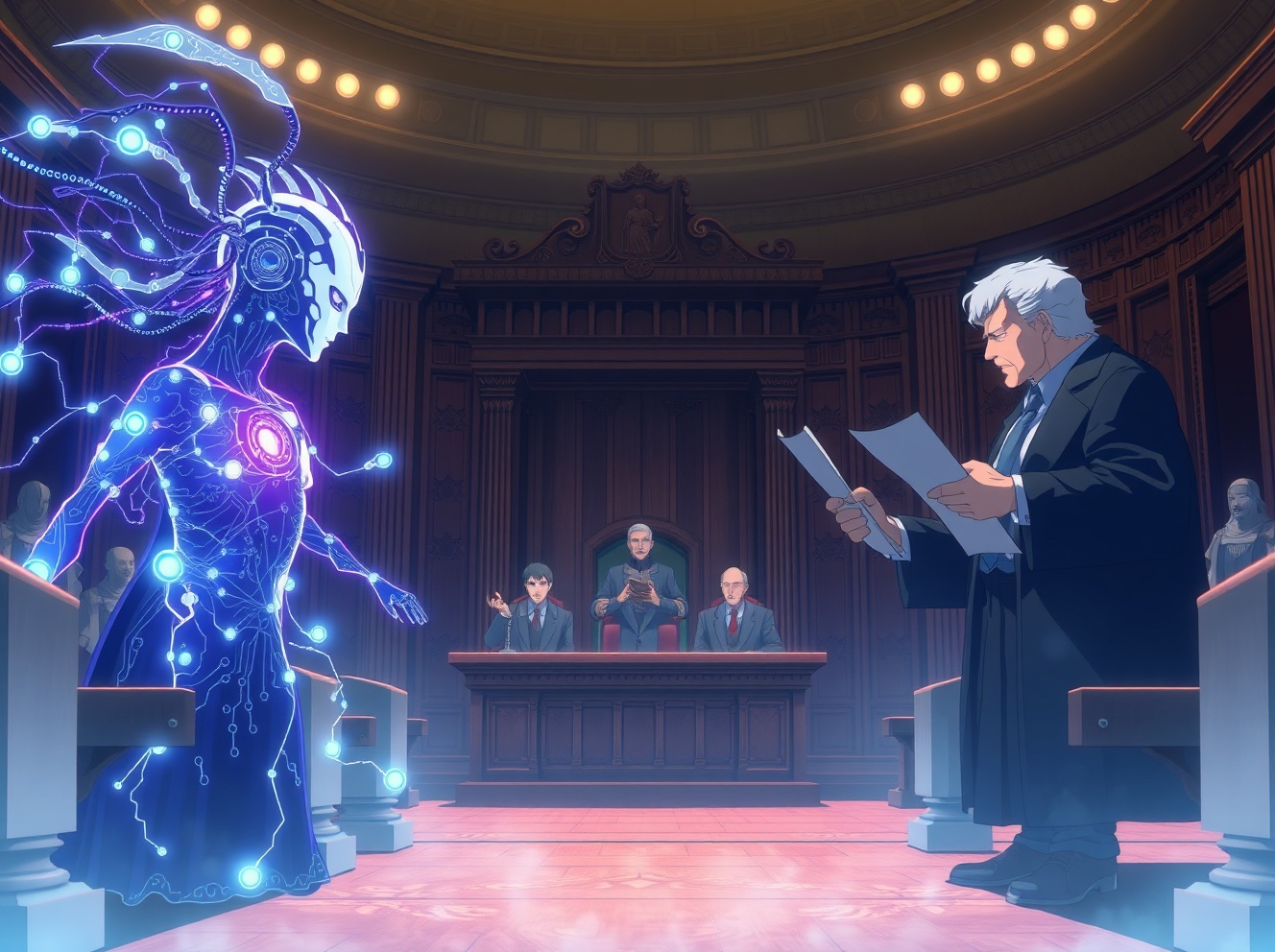
OpenAI Lawsuit: Explosive Court Battle Pits Elon Musk Against Former Partners in Historic AI Showdown
OAKLAND, CALIFORNIA — January 15, 2026: Silicon Valley’s most contentious artificial intelligence partnership has officially entered the courtroom arena. A federal judge has rejected dismissal requests from OpenAI and Microsoft, setting the stage for a historic jury trial this April that will determine whether the AI giant betrayed its founding nonprofit principles. This OpenAI lawsuit represents more than just a legal dispute—it’s a fundamental examination of AI ethics, corporate responsibility, and the soul of artificial intelligence development.
OpenAI Lawsuit Moves Forward Despite Dismissal Attempts
Federal Judge Rebecca Haywood delivered a decisive ruling on Thursday, denying motions from both OpenAI and Microsoft to dismiss Elon Musk’s lawsuit. Consequently, the case will proceed to a jury trial scheduled for late April 2026 in Oakland’s federal courthouse. The judge determined that Musk presented sufficient evidence for a jury to decide whether OpenAI violated its original nonprofit commitments. However, she dismissed Musk’s claim that Microsoft unjustly enriched itself at his expense, narrowing the legal battlefield while keeping the core allegations intact.
Bloomberg first reported the judge’s decision, which followed months of legal maneuvering. Meanwhile, OpenAI and Microsoft had argued that Musk’s claims lacked legal merit and represented strategic harassment rather than legitimate grievances. The courtroom showdown will now examine complex questions about corporate structure transitions, mission preservation, and partnership ethics in the rapidly evolving AI sector.
From Collaborative Vision to Legal Confrontation
The origins of this conflict trace back to 2015 when Elon Musk, Sam Altman, and several other prominent technologists founded OpenAI as a nonprofit research organization. Their stated mission focused on developing artificial general intelligence (AGI) safely and distributing its benefits broadly to humanity. The founding charter emphasized transparency, safety, and ethical considerations above profit motives.
The Partnership Fracture Timeline
Understanding the relationship breakdown requires examining key chronological developments:
| Year | Event | Significance |
|---|---|---|
| 2015 | OpenAI founded as nonprofit | Musk, Altman, and others establish ethical AI research organization |
| 2018 | Musk departs OpenAI board | Cites conflicts with Tesla’s AI development |
| 2019 | OpenAI creates capped-profit subsidiary | Introduces OpenAI LP structure to attract investment |
| 2020 | Microsoft invests $1 billion | Partnership begins with exclusive cloud computing agreement |
| 2023 | Musk launches xAI | Competitor AI company founded with different governance model |
| 2024 | Microsoft invests additional billions | Partnership deepens with expanded commercial agreements |
| 2025 | Musk files lawsuit | Alleges breach of founding agreement and mission betrayal |
The relationship deterioration accelerated when Musk launched xAI in 2023, creating direct competition with his former organization. Subsequently, tensions escalated publicly through social media exchanges, interviews, and now formal legal proceedings. Observers note that the personal dynamics between Musk and Altman have shifted dramatically from collaborative partners to adversarial competitors.
Core Legal Arguments and AI Ethics Questions
The lawsuit centers on whether OpenAI’s structural evolution violated its original nonprofit commitments. Musk’s legal team argues that the organization’s transformation into what they characterize as a “de facto Microsoft subsidiary” represents a fundamental betrayal of its founding principles. Specifically, they point to several key developments:
- Governance Changes: The transition from pure nonprofit to a capped-profit structure
- Exclusive Partnerships: Microsoft’s privileged access to OpenAI technology
- Commercial Focus: Accelerated product development over safety research
- Transparency Reduction: Limited public disclosure of research findings
OpenAI counters that its structural evolution was necessary to fund the enormous computational resources required for advanced AI research. The organization maintains that its capped-profit model preserves its mission while enabling necessary investment. Furthermore, OpenAI argues that its partnership with Microsoft has accelerated safe AI development that benefits humanity broadly.
Expert Perspectives on AI Governance
Technology ethicists and legal scholars have closely monitored this case as it raises fundamental questions about AI governance. Dr. Anya Sharma, director of the Stanford Center for AI Ethics, explains: “This lawsuit represents a critical test case for how we govern AI development organizations. The central question is whether mission-driven organizations can maintain their ethical commitments while partnering with commercial entities. The outcome could establish important precedents for the entire AI industry.”
Legal experts note that the case involves novel interpretations of nonprofit law, partnership agreements, and corporate governance in the technology sector. Professor Michael Chen, a corporate law specialist at Harvard Law School, observes: “The court must balance contractual obligations with the practical realities of funding cutting-edge AI research. This isn’t just about legal technicalities—it’s about defining appropriate structures for developing technologies that could transform human civilization.”
Broader Industry Implications and Competitive Landscape
This legal battle unfolds against a backdrop of intense competition in artificial intelligence. The AI sector has experienced explosive growth since 2020, with major technology companies investing hundreds of billions in research and development. Key competitive dynamics include:
- Resource Competition: Scarcity of specialized AI chips and computing infrastructure
- Talent Wars: Intense competition for leading AI researchers and engineers
- Regulatory Uncertainty: Evolving government approaches to AI oversight
- Ethical Differentiation: Organizations positioning themselves as more responsible alternatives
The OpenAI-Microsoft partnership has produced significant commercial successes, including the widely adopted ChatGPT platform and enterprise AI solutions. Meanwhile, Musk’s xAI has pursued alternative approaches to AI safety and transparency. Industry analysts suggest that this legal confrontation reflects deeper strategic conflicts about AI development philosophies and commercial approaches.
What the Jury Will Decide in April 2026
The upcoming trial will focus on specific legal questions rather than broad philosophical debates about AI ethics. The jury will receive instructions to evaluate whether OpenAI violated specific commitments from its founding documents and partnership agreements. Key determinations will include:
- Whether OpenAI’s structural changes breached its original nonprofit commitments
- Whether Microsoft knowingly participated in or facilitated any breaches
- What remedies, if any, should apply if violations occurred
- How to interpret ambiguous language in early organizational documents
Legal analysts predict the trial will feature testimony from founding members, financial experts, AI researchers, and corporate governance specialists. The proceedings will likely examine internal communications, financial records, and strategic documents spanning OpenAI’s entire history. Both sides have assembled formidable legal teams with experience in high-stakes technology litigation.
Potential Outcomes and Industry Impact
The trial’s outcome could reshape the AI landscape in several significant ways. A ruling favoring Musk might force structural changes at OpenAI and potentially affect its partnership with Microsoft. Conversely, a decision supporting OpenAI could validate its governance approach and encourage similar models across the industry. Regardless of the verdict, the proceedings will establish important precedents for how courts approach AI governance disputes.
Technology investors are monitoring the case closely, as the outcome could affect valuation models for AI companies balancing ethical commitments with commercial imperatives. Regulatory bodies may also consider the trial’s findings when developing AI governance frameworks. The European Union’s AI Act and similar initiatives worldwide could incorporate lessons from this landmark case.
Conclusion
The OpenAI lawsuit represents a pivotal moment in artificial intelligence’s development trajectory. As the case proceeds to jury trial in April 2026, it will test fundamental questions about mission preservation, corporate responsibility, and ethical governance in transformative technologies. This legal confrontation between Elon Musk and his former partners transcends personal disputes to address how society should structure organizations developing powerful AI systems. The outcome will influence not just these specific companies but the entire approach to balancing innovation, ethics, and commercial realities in one of history’s most significant technological revolutions.
FAQs
Q1: What are the main allegations in Elon Musk’s lawsuit against OpenAI?
Elon Musk alleges that OpenAI betrayed its founding nonprofit mission by transforming into a de facto Microsoft subsidiary focused on profit rather than its original commitment to developing safe AI for humanity’s benefit. Specifically, he claims the organization violated its charter through governance changes and exclusive partnerships.
Q2: Why did the judge allow the case to proceed to trial?
Federal Judge Rebecca Haywood determined that Musk presented sufficient evidence for a jury to decide whether OpenAI breached its nonprofit commitments. She found the legal questions substantial enough to merit full examination through trial proceedings rather than dismissal.
Q3: What claims were dismissed from the lawsuit?
The judge dismissed Musk’s allegation that Microsoft unjustly enriched itself at his expense. This narrows the case to focus primarily on whether OpenAI violated specific commitments rather than broader claims about Microsoft’s financial benefits.
Q4: When will the trial take place and where?
The jury trial is scheduled for late April 2026 in the federal courthouse in Oakland, California. The proceedings are expected to last several weeks given the complexity of the evidence and number of witnesses.
Q5: How might this case affect the broader AI industry?
The trial could establish important precedents for AI governance, nonprofit transitions, and corporate partnerships in technology. The outcome may influence how AI companies structure their organizations, balance ethics with commercial needs, and partner with larger technology firms.
This post OpenAI Lawsuit: Explosive Court Battle Pits Elon Musk Against Former Partners in Historic AI Showdown first appeared on BitcoinWorld.


You May Also Like

Solana Whale Dump Drama: $137M Exit Sparks SOL Price Panic vs Bull Debate

SoFi (SOFI) Stock Drops Despite Unveiling Always-On Enterprise Banking Solution




