Buterin Warns Ethereum Must Prioritize Core Values Over Adoption
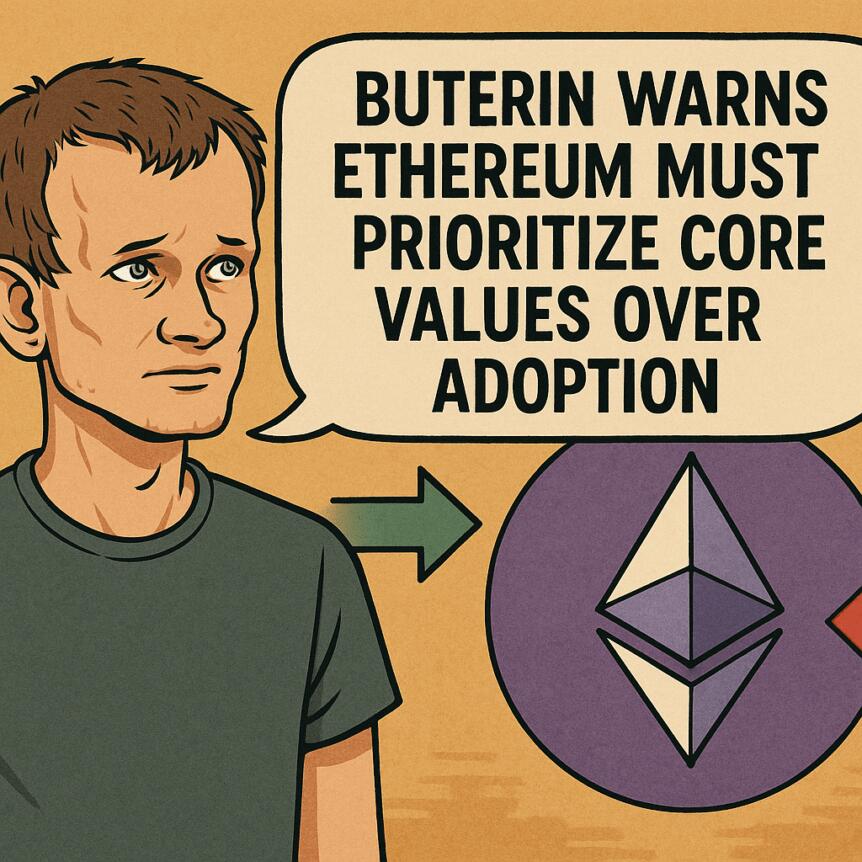
Ethereum Co-Founder Vitalik Buterin Calls for Restoration of Core Principles by 2026
Vitalik Buterin, the co-founder of Ethereum, has issued a call to action for the blockchain community, urging a refocus on the platform’s foundational values of decentralization, privacy, and self-sovereignty. In a recent post on X, Buterin emphasized the importance of reversing the trend of compromising these principles in pursuit of mainstream adoption.
He declared, “2026 is the year that we take back lost ground in terms of self-sovereignty and trustlessness.” He highlighted that recent years have seen Ethereum sacrificing core ideals for broader reach, including increased centralization risks and reduced user control. Buterin advocates for crucial upgrades to address these issues, including enhancements in private payments, lowering barriers to running full nodes, and enabling decentralized applications that do not rely on centralized servers.
Buterin also stressed the importance of user control over on-chain data and better social recovery wallets that safeguard funds when seed phrases are lost or compromised. Over the past decade, he noted, the Ethereum ecosystem has regressed in many of these areas—nodes have become harder to operate, and DApps have evolved into complex structures that leak user data to numerous servers.
Upcoming protocol upgrades, such as the Kohaku release and the Glamsterdam fork, are meant to address many of these issues. Buterin remains optimistic about Ethereum’s future, stating that these improvements will help elevate the ecosystem to a greater prominence in the blockchain universe.
Focus on Self-Sustainability and Future Resilience
Earlier this week, Buterin emphasized the importance of Ethereum passing the “walkaway test,” which means the network should be able to operate independently of ongoing developer influence over decades. He expressed a vision for Ethereum’s protocols to be cryptographically secure for at least a hundred years, asserting that such durability is an essential goal for future-proofing the network.
Among the critical features Buterin considers vital for Ethereum’s longevity are quantum resistance, scalable architecture, and a block-building model resistant to centralization pressures. These advancements are necessary to ensure Ethereum remains a resilient and independent ecosystem capable of serving global users well into the future.
Decentralized Stablecoins and Broader Financial Sovereignty
Buterin also highlighted the need for more innovative decentralized stablecoins. He called for collateralized stablecoins backed by diversified baskets of assets and currencies, moving away from reliance on single-national currencies like the US dollar. Such a shift aims to provide users with greater independence from government-controlled monetary systems.
This article was originally published as Buterin Warns Ethereum Must Prioritize Core Values Over Adoption on Crypto Breaking News – your trusted source for crypto news, Bitcoin news, and blockchain updates.


You May Also Like

Japanese Tech Giant’s Ambitious Bitcoin Accumulation
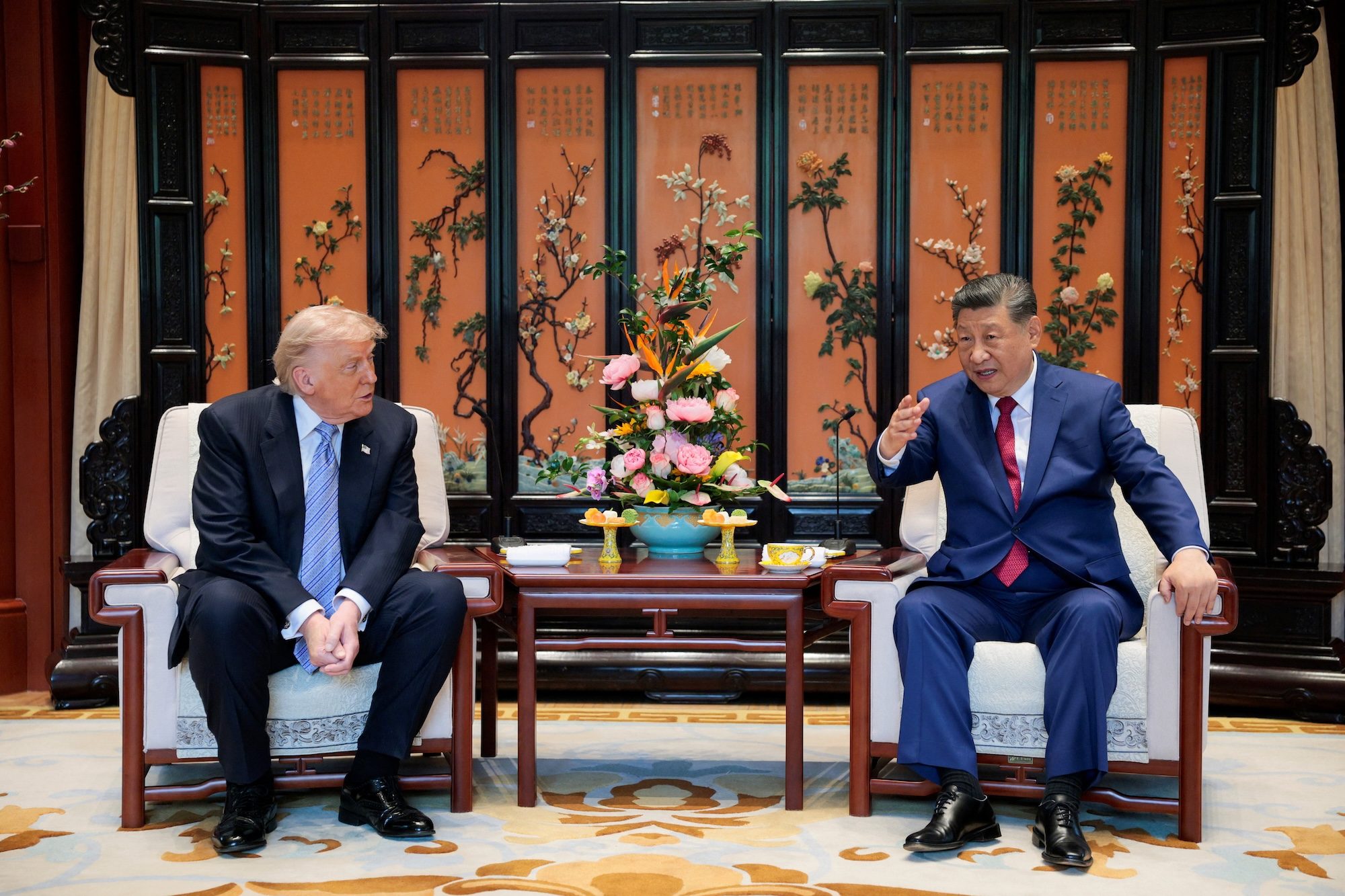
Trump says he and China’s Xi agree Iran cannot have nuclear weapons