

How do beginners start passive income? — Practical steps for 2024–25
How do beginners start passive income? If that question is on your mind, you’re in the right place. In plain terms: passive income for beginners means creating revenue that eventually needs less day‑to‑day effort—often by putting capital, creative work, or both to work in repeatable systems.
This guide explains practical, real‑world choices for 2024-25: cash accounts, dividend investing, creator products, print‑on‑demand, and hybrid approaches. You’ll get numbers, timelines, and a one‑month action plan so you can stop guessing and start doing. The phrase passive income for beginners will appear throughout to keep focus on simple, achievable steps we can repeat and measure. For a concise definition of passive income, see the Investopedia primer on passive income: what passive income is.
What passive really means — the spectrum from tiny wins to long‑term engines
Passive is rarely truly zero work. Think of it as a spectrum. On one end are low‑effort cash accounts where you park money and collect interest. On the other are creator and product strategies that ask for intense work up front—writing, recording, designing—then pay off through time and scale. Choosing the right point on this spectrum depends on what you have today: time, money, or both.
Three simple categories to start with
Here are three high‑level routes most beginners choose: cash‑first (low risk, low return), investment‑first (dividends, bonds, ETFs, capital required), and creator‑first (low cash, more time and platform risk). You can combine them: a small cash buffer, a dividend core, and a creator side project make a resilient mix. For more passive income ideas you can compare with other practical lists, see Bankrate’s roundup: 25 passive income ideas.
As a practical tip, if you’re considering promotion or partnerships to grow an online product, check the FinancePolice advertising page for friendly options and reach‑out guidance: Advertise with FinancePolice. It’s a helpful place to learn how to amplify reach without guessing at ad settings.
Below we walk each route in detail, with realistic timelines and the math that makes goals feel doable.
Yes — but with realistic expectations. If you have almost no capital and limited time, start with creator approaches that require low cash but more time (digital products, affiliate content, print‑on‑demand). Expect slower initial results—often 3–12 months. If you need money faster, focus on small cash wins (savings accounts) while you build creator assets in spare time.
Quick wins: cash accounts and why they matter
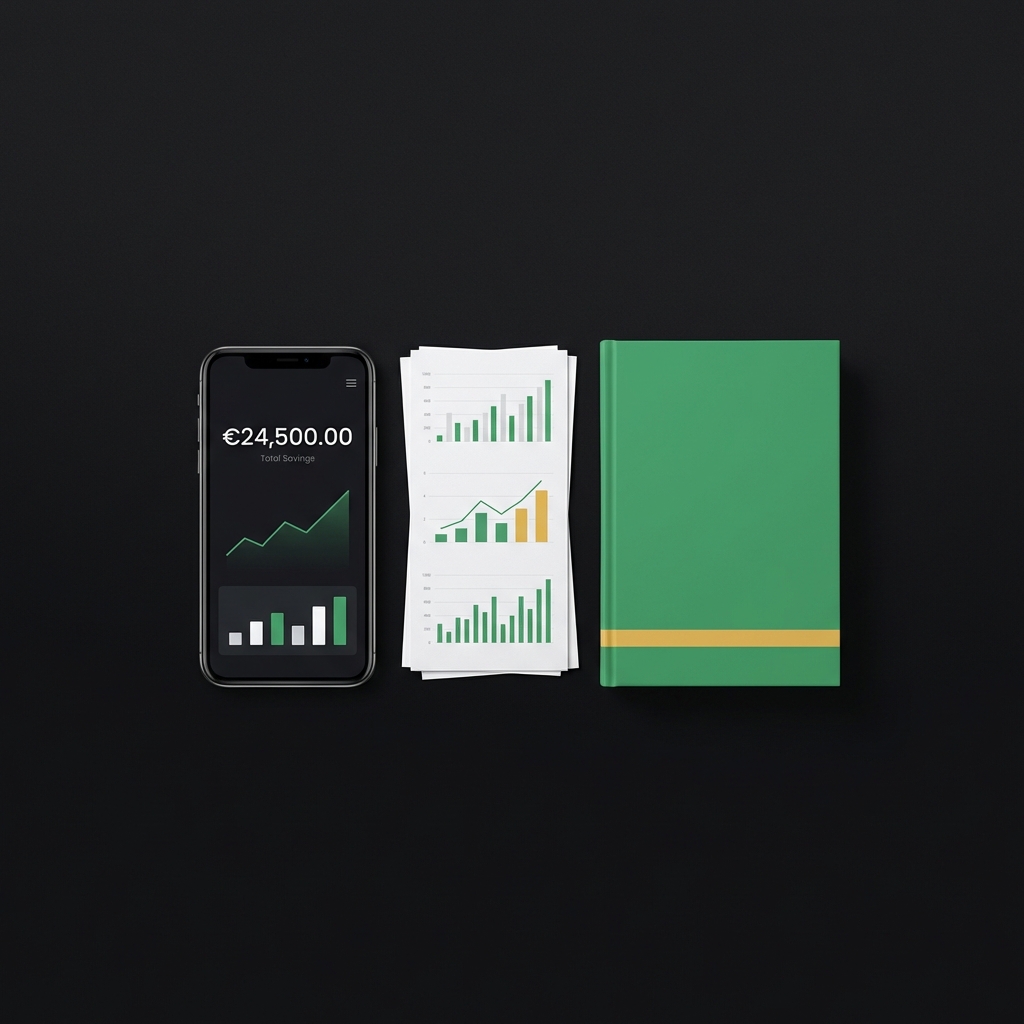
If you need money to start showing up quickly, cash‑focused accounts are the fastest path. In 2024 some online high‑yield savings and cash‑management accounts reached roughly 3.5–4.5% APY. That’s modest, but dependable. For example, a $10,000 deposit at 4% yields about $400 a year—about $33/month before taxes. A simple chart often helps visualize the yield math at a glance. For account options and comparisons, see our roundup of best business bank accounts: best business bank accounts.
Cash wins when speed, liquidity, and safety matter. The downside is upside: your returns are tied directly to macro interest rates. If central banks cut rates, APYs fall. Still, cash is a great starting point for beginners because it’s simple to open accounts, keep funds accessible, and avoid complicated tax classifications.
A clear example: how much to earn $100 a month?
Use this blunt but useful math: $100/month = $1,200/year. At a 4% yield you need $30,000 because $30,000 x 0.04 = $1,200. If yield is 2%, you need $60,000. Keep this basic equation in mind when comparing options: annual goal ÷ expected yield = required capital.
Dividend ETFs and dividend stocks: steady cash, bigger principal
Dividend‑focused ETFs and stocks are a common passive income choice. In 2024 many diversified income ETFs delivered yields in the low single digits—often between 2% and 4%. They’re more growth‑linked than a savings account and can produce repeatable payouts.
The trade‑off: you need substantial principal for meaningful monthly cash. Dividend prices can fluctuate, and tax treatment varies by country and by whether dividends are qualified. If you’re building long term, reinvesting dividends early accelerates progress through compounding. If you want a how‑to primer on building passive streams from investing, NerdWallet covers common approaches: passive income basics.
Practical steps to start dividend income
Open a low‑cost brokerage account, choose a diversified dividend ETF or basket, set dollar‑cost averaging if you want steady buys, and track yields. Start small and scale: even $1,000 can teach basics about trading, dividends, and tax forms without risking your financial safety net. For tools and apps that support small investors, our site also maintains a related hub: passive income apps.
Creator‑based passive income: low cash, higher time investment
If you have skills and time but not large capital, creator routes—affiliate marketing, digital courses, ebooks, newsletters—can work well. Startup cost is often under $500: a landing page, hosting, and basic tools are enough to get started. The real cost is time: writing content, building authority, and promoting yourself.
Creator income is typically slower to start. You can expect three to twelve months for consistent results, depending on quality and distribution. But creators benefit from scalability: once a course or ebook is built, it can sell indefinitely with minimal extra work.
Example story: a niche newsletter about specialty coffee launched with a $300 setup. Month one: almost no revenue. Month four: several hundred dollars monthly from affiliate links and a small paid guide. Consistency and audience focus mattered more than instant virality.
Print‑on‑demand and digital products: the middle ground
Print‑on‑demand lets you design and outsource production and shipping, so after launch your work can be light. Digital products—templates, micro‑courses, stock photo packs—scale well, because marginal cost per sale is nearly zero. The challenge is discoverability: you’ll need SEO, social, or paid ads to drive buyers.
How to choose: a few tight questions to guide you
Answer these before you pick a path: How soon do you want returns? How much capital do you have? How many hours per week can you invest? What’s your risk tolerance? Do you enjoy learning SEO or marketing? Honest answers prevent wasted time and disappointment.
Decision matrix—examples
If you want money within weeks and have capital: cash accounts. If you have capital and want scale with low effort: dividend ETFs and bonds. If you have time but little money: creator projects, affiliate marketing, print‑on‑demand. If you want property exposure without landlord duties: REITs.
A practical 30‑day start plan for beginners
Here’s a simple 30‑day plan you can follow. It’s designed to reduce decision paralysis and create measurable steps.
Week 1 — Decide and prepare
Pick one target: cash account, dividend plan, or a creator project. Research specific platforms and set a numeric goal: how much capital will you move, or how many sales do you aim for this month? Clear, small goals beat vague energy.
Week 2 — Implement basics
For cash: open the account and transfer funds. For dividends: open a brokerage and buy an ETF or a small basket of dividend stocks. For creators: choose a niche, draft your first product or piece of longform content, and set up a one‑page site or storefront.
Week 3 — Distribution and feedback
Cash needs only verification. For creators, start distributing: post content, email small communities, and test a modest ad spend if you budgeted for it. Track clicks, signups, and conversion rates.
Week 4 — Review and plan month two
Which metric moved? Traffic, clicks, deposits? If nothing moved, ask why. If something worked, double down. Repeat with small adjustments and better targeting. The goal is a cycle of learning, not blind doubling down.
Tax, legal and realistic risk management
Taxes matter. Interest, dividends, capital gains, and business revenue are taxed differently across jurisdictions. Treat taxes as an input to your real return—if a 4% yield becomes 3% after taxes, you must adjust planning. When selling products, create clear refund policies and basic terms of service to reduce disputes.
Risk management: diversify by type—some cash for safety, some dividend/bond exposure for steady returns, and a small time allocation to creator projects for upside. Don’t put all capital into a single high‑yield account or all your effort into one platform—spread exposure.
How much money do you really need to start?
Start with any amount. The most important step is building habit. That said, meaningful monthly income needs larger sums at low yields. Remember the math: annual goal ÷ expected yield = required principal. For example, to earn $500 per month ($6,000/year) at a 4% yield, you need $150,000.
Creator projects can start under $500 but may require time or ad spend to scale quickly. If you have very little cash and can commit time, creator routes are a smart way to start building upside without initial capital.
Reader‑specific modeling — a quick framework
Pick your monthly target. Multiply by 12. Choose a realistic yield for your chosen method (3.5–4.5% for high‑yield savings in 2024, 2–4% for many dividend ETFs, or use product revenue models for creators). Annual target ÷ yield gives required principal. For creators, run the revenue equation: price x conversion rate x traffic = expected sales.
Practical habits that make a difference
Start with one tiny step: open the account, buy the ETF, or publish your first piece of content today. Track what you do and what changes metrics. Small, consistent actions compound; unfocused bursts usually don’t. Treat early results as experiments—document inputs (time spent, money invested) and outputs (visitors, clicks, dollars) to learn faster.
Common beginner questions — answered plainly
What if I don’t want risk? Use cash accounts and short‑term bonds. What if I have skills but no money? Focus on creator routes: blogging, affiliate marketing, microcourses. What about rental property? It can work, but start with REITs if you prefer avoidance of landlord responsibilities. How long until I see money? Cash is immediate, dividends depend on timing, and creator income typically takes 3–12 months.
A realistic roadmap for the first year
Month 1: decisions and small wins. Months 2–6: scale what shows promise—improve offers, build content, rebalance investments. Months 6–12: compounding starts to show if you reinvest returns and refine distribution. Reinvesting early often beats spending initial gains—assuming you don’t need the cash for essentials.
Checklist — first 10 actions you can take today
1) Decide which route to test this month. 2) Open an account (savings or brokerage) or set up a one‑page site. 3) Move a small amount of money or draft your product outline. 4) Publish one piece of longform content or a product landing page. 5) Send it to three communities. 6) Track results. 7) Tweak messaging. 8) Reinvest any early earnings. 9) Plan month two goals. 10) Repeat and measure.
Scaling tips that actually matter
For investors: rebalance and dollar‑cost average. For creators: focus on audience building and email capture; an email list trumps a single social platform. Use small paid tests to validate offers quickly. Keep expenses low early—use free tools until you validate demand.
Measure success with simple metrics
Investing: yield, dividends received, and total return. Creators: traffic, conversion rate, average order value, and repeat buyer rate. For cash accounts: APY and liquidity. Set monthly targets and report progress to yourself—consistency beats complicated spreadsheets for most beginners.
Realistic expectations: no magic, only choices
Passive income for beginners is not a secret formula. It’s a set of choices. Cash accounts give quick but limited returns. Dividend investments can be steady but capital intensive. Creator routes scale with time and skill. The best long‑term approach is a mix—safety for the short term and upside for the long term.
Ready to grow your reach? Promote your product with simple options at FinancePolice
If you want to promote a digital product or reach a niche audience, consider the simple options on our advertising page—it’s a low‑friction way to expand reach without learning complicated ad platforms: See advertising options at FinancePolice.
Explore Advertising Options
Final note: pick one clear path, set a numeric goal, and take one small action today. Over time, those tiny actions compound into dependable income streams.
Further reading and resources
For deeper dives, look for articles on dividend basics, a beginner’s guide to setting up a digital product, and reviews of top high‑yield savings accounts. If taxes or legal questions matter for your plan, speak with a local professional before allocating large sums.
Brand note: this guide uses market observations compiled by Finance Police and other public sources to give realistic ranges for yields and timelines in 2024-25.
Speed depends on the route. Cash accounts start immediately (interest begins accruing once funds clear). Dividend income requires capital and pays on scheduled dates, so meaningful monthly payouts often need months or years of saving. Creator approaches typically take 3–12 months for reliable revenue, depending on niche, quality, and distribution. Use a 30‑day plan to test assumptions and measure what moves results.
You can start with any amount. For real monthly cash, low yields require larger sums—for example, at 4% APY you need about $30,000 to generate $100/month. Creator projects can start under $500, but may require time or small ad spend to scale quickly. Begin with whatever you have and focus first on the habit of consistent action.
Yes — FinancePolice offers approachable advertising options and audience guidance that can help beginners promote a digital product without wrestling with complex ad platforms. For details and to explore friendly, transparent options, visit the FinancePolice advertising page at https://financepolice.com/advertise/.
References
- https://www.investopedia.com/terms/p/passiveincome.asp
- https://www.bankrate.com/investing/passive-income-ideas/
- https://www.nerdwallet.com/investing/learn/what-is-passive-income-and-how-do-i-earn-it
- https://financepolice.com/advertise/
- https://financepolice.com/best-business-bank-accounts/
- https://financepolice.com/passive-income-apps/
- https://financepolice.com/passive-income-7-proven-ways-to-make-your-money-work-for-you/
{“@context”:”https://schema.org”,”@type”:”FAQPage”,”mainEntity”:[{“@type”:”Question”,”name”:”Can I build real passive income with no money and very little time?”,”acceptedAnswer”:{“@type”:”Answer”,”text”:”Yes — but with realistic expectations. If you have almost no capital and limited time, start with creator approaches that require low cash but more time (digital products, affiliate content, print‑on‑demand). Expect slower initial results—often 3–12 months. If you need money faster, focus on small cash wins (savings accounts) while you build creator assets in spare time.”}},{“@type”:”Question”,”name”:”How quickly can a beginner expect to earn passive income?”,”acceptedAnswer”:{“@type”:”Answer”,”text”:”Speed depends on the route. Cash accounts start immediately (interest begins accruing once funds clear). Dividend income requires capital and pays on scheduled dates, so meaningful monthly payouts often need months or years of saving. Creator approaches typically take 3–12 months for reliable revenue, depending on niche, quality, and distribution. Use a 30‑day plan to test assumptions and measure what moves results.”}},{“@type”:”Question”,”name”:”What is the minimum money needed to start passive income?”,”acceptedAnswer”:{“@type”:”Answer”,”text”:”You can start with any amount. For real monthly cash, low yields require larger sums—for example, at 4% APY you need about $30,000 to generate $100/month. Creator projects can start under $500, but may require time or small ad spend to scale quickly. Begin with whatever you have and focus first on the habit of consistent action.”}},{“@type”:”Question”,”name”:”Can FinancePolice help me promote a digital product?”,”acceptedAnswer”:{“@type”:”Answer”,”text”:”Yes — FinancePolice offers approachable advertising options and audience guidance that can help beginners promote a digital product without wrestling with complex ad platforms. For details and to explore friendly, transparent options, visit the FinancePolice advertising page at https://financepolice.com/advertise/.”}}]}


You May Also Like

XRP Has Overtaken Solana And Ethereum In This Major Metric

Q2 Market Insights: Bitcoin regains dominance in risk-averse environment, ETFs remain critical to market structure

What’s new in House Kalinga bill to cushion oil price shock?



