

Visa Dominates 90% of On-Chain Card Transaction Volume Through Revolutionary Infrastructure Strategy
BitcoinWorld
Visa Dominates 90% of On-Chain Card Transaction Volume Through Revolutionary Infrastructure Strategy
In a landmark development reshaping global payment systems, Visa has captured a staggering 90% share of on-chain card transaction volume, according to comprehensive data from Unfolded’s 2025 financial technology report. This unprecedented market control represents a seismic shift in how traditional financial institutions interact with blockchain networks, fundamentally altering the digital payment landscape. The achievement stems from Visa’s early and aggressive infrastructure partnerships with major blockchain platforms, positioning the payment giant as the dominant bridge between conventional finance and decentralized ecosystems.
Visa’s Strategic Infrastructure Partnerships Drive Market Dominance
Visa’s remarkable 90% market share in on-chain card transactions results directly from strategic infrastructure investments initiated as early as 2020. The company established foundational partnerships with Ethereum, Solana, and Polygon networks, creating seamless integration points for card-based payments. These partnerships enabled Visa to process transactions directly on blockchain networks while maintaining traditional settlement systems. Consequently, merchants and consumers gained unprecedented flexibility in payment options. The infrastructure development included specialized smart contracts for transaction validation and real-time conversion protocols. Visa’s technical team worked extensively with blockchain developers to optimize transaction speeds and reduce gas fees. This collaborative approach created a robust ecosystem that competitors have struggled to replicate. The payment processor now handles millions of daily on-chain transactions across multiple blockchain networks. Industry analysts note this infrastructure advantage creates significant barriers to entry for competing payment networks.
The Evolution of On-Chain Payment Infrastructure
The journey toward Visa’s current dominance began with pilot programs in 2021, testing blockchain settlement for cross-border transactions. Initially, these experiments focused on business-to-business payments between financial institutions. However, rapid consumer adoption of cryptocurrency wallets prompted Visa to accelerate retail-facing solutions. The company developed proprietary middleware that translates blockchain transactions into traditional payment messages. This technology maintains compliance with existing financial regulations while leveraging blockchain efficiency. Visa’s infrastructure now supports multiple cryptocurrency types and stablecoins across different blockchain networks. The system automatically converts digital assets to fiat currency during transaction processing. This conversion happens seamlessly within the payment authorization flow. Merchants receive settlement in their preferred currency without managing cryptocurrency volatility. The infrastructure also includes advanced fraud detection systems specifically designed for blockchain transactions. These systems analyze transaction patterns across both traditional and decentralized networks.
Technical Architecture and Settlement Mechanisms
Visa’s technical implementation involves layered architecture connecting traditional payment networks with blockchain protocols. The system uses specialized nodes deployed across major blockchain networks to monitor and validate transactions. When a cardholder initiates an on-chain payment, the transaction first routes through Visa’s conventional authorization network. The system then creates a corresponding transaction on the appropriate blockchain. Smart contracts handle the asset conversion and settlement process automatically. This dual-layer approach maintains audit trails across both systems. Visa’s infrastructure supports multiple consensus mechanisms across different blockchain networks. The company has optimized transaction batching to minimize network congestion during peak periods. Settlement typically occurs within minutes rather than the traditional one-to-two day timeframe. This speed advantage has driven significant merchant adoption across e-commerce platforms. The technical team continues to refine gas fee optimization algorithms to maintain cost efficiency.
Market Impact and Competitive Landscape Analysis
Visa’s 90% market share creates substantial implications for the broader payment industry. Competing networks like Mastercard and American Express have launched similar initiatives but trail significantly in adoption metrics. The dominance affects merchant acquiring banks, payment processors, and financial technology startups. Many smaller players now rely on Visa’s infrastructure rather than developing independent solutions. This creates potential concerns about market concentration in the emerging on-chain payment sector. However, proponents argue that Visa’s scale enables faster ecosystem development and standardization. The market impact extends to cryptocurrency exchanges and wallet providers. These entities increasingly integrate Visa’s on-ramp and off-ramp solutions for user convenience. Regional payment networks in Asia and Europe have begun licensing Visa’s technology for local implementation. This technology transfer could eventually create global standards for blockchain payment processing. The competitive landscape shows early signs of specialization, with some networks focusing on niche blockchain applications.
Consumer Adoption Patterns and Usage Data
Consumer adoption of on-chain card payments has grown exponentially since 2023, according to payment industry data. Early adopters primarily consisted of cryptocurrency enthusiasts making retail purchases. However, mainstream adoption accelerated as major retailers began accepting these payment methods. Usage patterns show particular strength in cross-border e-commerce and digital service subscriptions. Consumers appreciate the reduced foreign transaction fees and faster settlement times. Demographic analysis reveals strongest adoption among 25-40 year old urban professionals. Geographic distribution shows leadership in North America and Southeast Asian markets. European adoption grows steadily despite regulatory complexities. Transaction data indicates average on-chain payments exceed traditional card transaction values by approximately 35%. This suggests users prefer blockchain payments for larger purchases. The growth trajectory suggests on-chain card payments could represent 15% of Visa’s total volume by 2026.
Regulatory Framework and Compliance Considerations
Visa’s infrastructure development occurred alongside evolving regulatory frameworks for blockchain payments. The company worked closely with financial regulators across major markets to ensure compliance. Key considerations included anti-money laundering requirements and know-your-customer protocols. Visa implemented blockchain analytics tools to monitor transaction patterns for suspicious activity. The system maintains complete audit trails meeting traditional banking standards. Regulatory approval processes varied significantly across different jurisdictions. The United States required extensive documentation of technical safeguards and consumer protections. European regulators focused particularly on data privacy implications under GDPR. Asian markets showed more flexibility but demanded localization of certain technical components. Visa established dedicated compliance teams for each major regulatory region. These teams coordinate with local financial authorities on ongoing basis. The company also participates in industry working groups developing global standards for blockchain payments. This proactive regulatory engagement has positioned Visa favorably compared to cryptocurrency-native payment solutions.
Future Development Roadmap and Industry Projections
Visa’s published roadmap indicates continued expansion of on-chain payment capabilities through 2026. Planned developments include support for additional blockchain networks and digital asset types. The company aims to reduce transaction costs further through optimized settlement batching. Future enhancements will focus on programmable payment features using smart contracts. Visa also plans deeper integration with decentralized finance protocols for automated financial operations. Industry projections suggest on-chain card payments could process over $1 trillion annually by 2027. This growth assumes continued expansion of merchant acceptance and consumer adoption. Technological advancements in blockchain scalability will likely accelerate this trajectory. Visa’s research division explores quantum-resistant cryptography for future-proof security. The company also investigates interoperability between different blockchain networks for seamless cross-chain payments. These developments could eventually create a unified global payment infrastructure blending traditional and decentralized systems.
Conclusion
Visa’s capture of 90% on-chain card transaction volume represents a pivotal moment in financial technology convergence. The achievement demonstrates how traditional payment networks can successfully integrate blockchain infrastructure through strategic partnerships. This dominance results from early infrastructure investments, technical innovation, and regulatory collaboration. The development creates new possibilities for global payment efficiency while raising important questions about market concentration. As blockchain technology continues evolving, Visa’s position will likely influence industry standards and adoption patterns. The payment giant’s success provides a blueprint for traditional financial institutions navigating digital asset integration. Ultimately, this milestone accelerates the broader transition toward hybrid financial systems combining conventional and decentralized technologies.
FAQs
Q1: What exactly are on-chain card transactions?
On-chain card transactions involve payment card purchases where settlement occurs directly on a blockchain network rather than through traditional banking systems. These transactions use digital assets that convert to fiat currency during processing.
Q2: How does Visa’s infrastructure differ from regular cryptocurrency payments?
Visa’s infrastructure integrates directly with existing payment card networks, allowing consumers to use familiar cards while merchants receive traditional settlement. This differs from direct cryptocurrency payments requiring separate wallets and acceptance infrastructure.
Q3: Which blockchain networks does Visa currently support?
Visa’s infrastructure primarily supports Ethereum, Solana, and Polygon networks, with expansion plans for additional protocols. The company selects networks based on transaction speed, cost efficiency, and security features.
Q4: Are on-chain card transactions more secure than traditional payments?
These transactions incorporate blockchain’s cryptographic security while maintaining Visa’s existing fraud protection systems. The combination creates multiple security layers, though users should follow standard security practices for all payment methods.
Q5: How will this dominance affect other payment networks and fintech companies?
Visa’s market position may accelerate industry-wide blockchain integration while potentially limiting opportunities for smaller competitors. However, the infrastructure development creates new possibilities for specialized services and partnerships within the payment ecosystem.
This post Visa Dominates 90% of On-Chain Card Transaction Volume Through Revolutionary Infrastructure Strategy first appeared on BitcoinWorld.


You May Also Like

Cango Inc. Completes $65M Investment and Secures $10M Convertible Note Financing
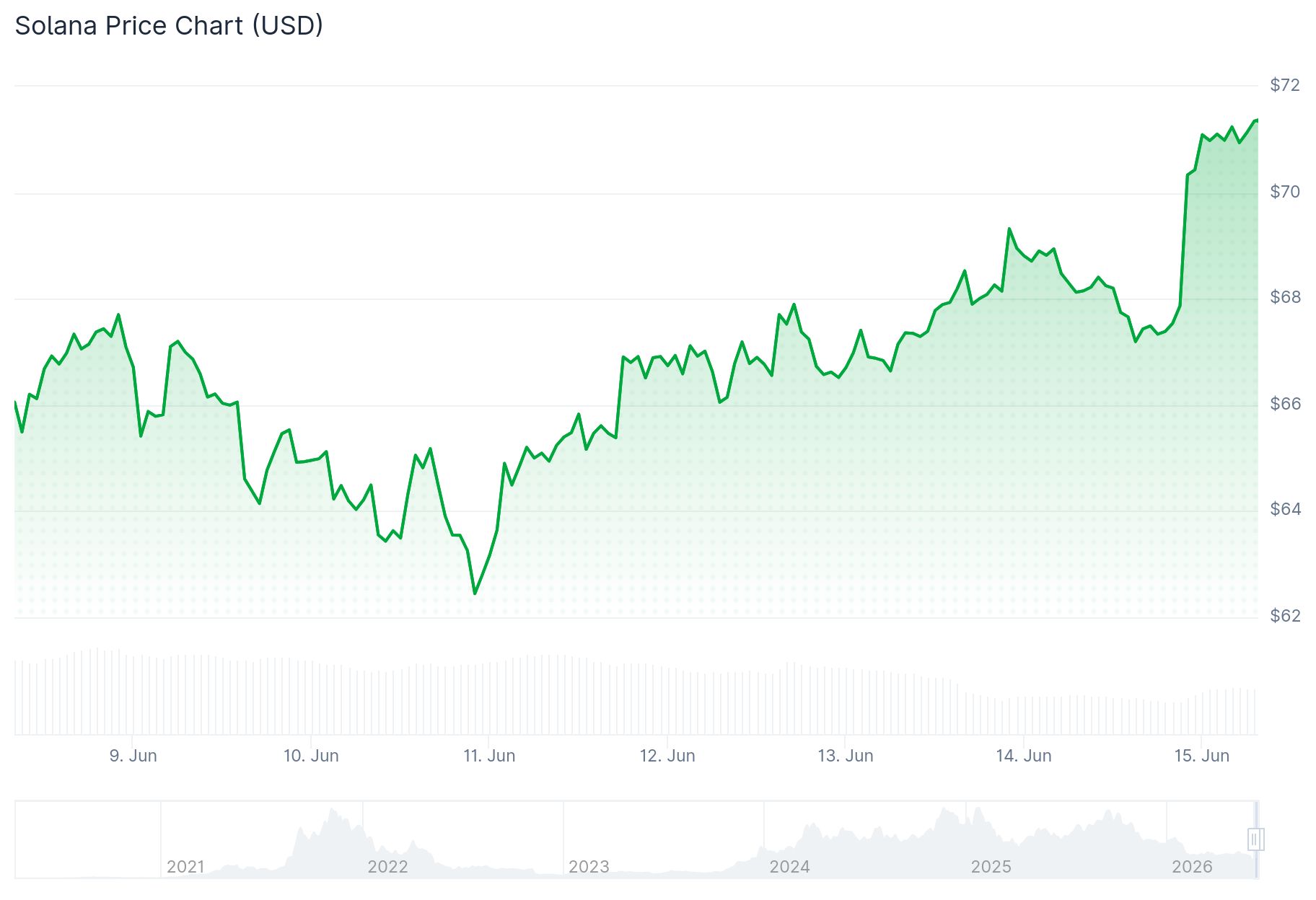
Solana (SOL) Price: SOL Flashing the Same Pattern That Started Its Last Bull Run

Western Star Resources Acquires Past-Producing Eagle Point Tungsten Mine in New Mexico, Highlighting Untested Exploration Targets



