

De recente koersbewegingen rond Bitcoin worden momenteel vooral gestuurd door een afnemende liquiditeit en uitstroom uit Amerikaanse spot BTC ETF’s. In de afgelopenDe recente koersbewegingen rond Bitcoin worden momenteel vooral gestuurd door een afnemende liquiditeit en uitstroom uit Amerikaanse spot BTC ETF’s. In de afgelopen
Bitcoin koers beweegt richting $71.000 na weekverlies van 15% en afbouw van leverage
De recente koersbewegingen rond Bitcoin worden momenteel vooral gestuurd door een afnemende liquiditeit en uitstroom uit Amerikaanse spot BTC ETF’s. In de afgelopen week daalde de Bitcoin koers met circa 15%, terwijl er tegelijkertijd ongeveer $2,15 miljard uit deze fondsen wegvloeide. De ETF’s fungeren nog steeds als een directe schakel tussen institutioneel kapitaal en de spotmarkt. Blijft deze combinatie de Bitcoin koers ook structureel beïnvloeden? Check onze Discord Connect met "like-minded" crypto enthousiastelingen Leer gratis de basis van Bitcoin & trading - stap voor stap, zonder voorkennis. Krijg duidelijke uitleg & charts van ervaren analisten. Sluit je aan bij een community die samen groeit. Nu naar Discord BTC ETF uitstroom zet druk op de liquiditeit van Bitcoin De uitstroom uit BTC ETF’s laat zien dat grote marktpartijen hun blootstelling verkleinen. Volgens data van onder andere Yahoo Finance en AInvest ging het om een van de grootste aaneengesloten uitstroom periodes sinds de introductie van deze fondsen. Dit soort acties ontstaan meestal wanneer er leverage uit de markt wordt gehaald. Leverage betekent dat traders geld lenen om grotere crypto posities in te nemen. Wanneer die posities worden afgebouwd, verdwijnt de liquiditeit uit het systeem. Deze BTC ETF uitstroom valt echter niet samen met sterke liquidaties op de Bitcoin derivatenmarkten. Er is dus geen sprake van een gedwongen verkoop. In eerdere cycli was dit vaak een fase waarin de bulls minder actief werden en de nieuwe kopers tijdelijk wegbleven. Daardoor daalt de vraag, terwijl het aanbod stabiel blijft. Historisch gezien volgt na zulke ETF uitstroom periodes vaak een fase van stabilisatie. Dat gebeurt meestal zodra de uitstroom afneemt, niet pas wanneer er weer een instroom komt. Dit maakt de BTC ETF flows op dit moment een belangrijkere indicator dan het korte termijn sentiment op social media kanalen of in nieuwsberichten. Bitcoin $BTC ETFs have seen $2.15 billion in outflows over the past two weeks, signaling a reset in positioning. https://t.co/uH0xhcErK7 pic.twitter.com/ncCS16s4pg — Ali Charts (@alicharts) February 3, 2026 Welke crypto nu kopen?Lees onze uitgebreide gids en leer welke crypto nu kopen verstandig kan zijn! Welke crypto nu kopen? Er gaan geruchten dat staatsobligaties binnenkort gebruikt gaan worden om te investeren in altcoins. Dit zal dus zorgen voor hele hoop nieuwe kansen. Maar eén vraag komt telkens terug: welke crypto moet je nu kopen? In dit artikel bespreken we de munten die in 2026 écht het verschil kunnen maken, niet op… Continue reading Bitcoin koers beweegt richting $71.000 na weekverlies van 15% en afbouw van leverage document.addEventListener('DOMContentLoaded', function() { var screenWidth = window.innerWidth; var excerpts = document.querySelectorAll('.lees-ook-description'); excerpts.forEach(function(description) { var excerpt = description.getAttribute('data-description'); var wordLimit = screenWidth wordLimit) { var trimmedDescription = excerpt.split(' ').slice(0, wordLimit).join(' ') + '...'; description.textContent = trimmedDescription; } }); }); Bitcoin koers blijft onder de dalende technische structuur Op de dagelijkse grafiek beweegt de Bitcoin koers nog steeds binnen een dalend trendkanaal. Zo’n prijskanaal ontstaat wanneer elke nieuwe top lager ligt dan de vorige en elke bodem ook lager uitkomt. Dat wijst op een aanhoudende verkoopdruk. Zolang deze structuur intact blijft, verandert de trend niet. Een belangrijk technisch element hierbij zijn de dalende exponentiële voortschrijdende gemiddelden. Deze lijnen reageren sneller op koersveranderingen dan simpele gemiddelden en worden veel gebruikt om trends te beoordelen. In eerdere BTC distributiefases fungeerden deze niveaus regelmatig als een weerstand. Dit betekent dat de Bitcoin koers daar meerdere keren strandt voordat er sprake is van een structurele omkering. De recente reactie vanuit de prijszone rond de $74.000 past binnen dit beeld. Deze zone fungeerde eerder al als een vraaggebied, maar is inmiddels meerdere keren getest. In technische analyses geldt dat een steunzone zwakker wordt naarmate deze vaker zonder een duidelijke koopimpuls wordt geraakt. Een samenvloeiing van weerstand versterkt de verkoopdruk Boven de huidige Bitcoin marktstructuur bevindt zich een cluster van technische weerstand. Dit gebied verenigt eerdere breukniveaus, dalende trendlijnen en voortschrijdende gemiddelden. De samenloop van meerdere technische factoren leidt vaak tot een toename van de verkoopdruk. In voorgaande Bitcoin cycli bleek dat dit soort prijszones zelden in één poging worden doorbroken wanneer de liquiditeit afneemt. Pas wanneer het handelsvolume stijgt en de bulls structureel blijven terugkomen, verandert dit beeld. Dat is op dit moment nog niet zichtbaar in de spotmarkt. Wanneer de Bitcoin koers onder druk blijft staan, dan verplaatst de liquiditeit zich vaak richting eerdere consolidatiezones. Dit betekent niet per se dat deze prijsniveaus worden bereikt, maar verklaart wel waarom de markt daar vaker reageert. Belangrijke prijsniveaus binnen de huidige marktstructuur Binnen het huidige technische kader zijn er verschillende zones die door traders nauwlettend in de gaten worden gehouden. Rond de $78.000 ligt een technisch reactieniveau dat met een Fibonacci retracement samenvalt. Lager in de markt ligt een belangrijke vraagzone net boven de $74.000. Iets lager bevindt zich een prijsgebied rond de $71.000, waar eerder veel BTC-handelsactiviteit plaatsvond. Aan de bovenkant blijft de zone rond de $80.000 relevant, aangezien dit niveau meerdere keren werd afgewezen. Nog hoger bevindt zich een bredere weerstand tussen $86.000 en $88.000. Deze prijsniveaus zijn vooral bepalend voor marktreacties, niet als voorspelling. Momentum indicatoren ondersteunen het huidige voorzichtige beeld. De Relative Strength Index daalde recentelijk richting de 28. Deze indicator meet de snelheid en kracht van prijsbewegingen. Waarden onder de 30 wijzen op een oversold situatie. In markten met een beperkte liquiditeit leidt dit vaak tot korte herstelbewegingen, maar zelden tot trendomkeringen zonder volumetoename. BTC koers reageert sterk op macro liquiditeit De huidige fase laat zien dat de Bitcoin koers zich als een liquiditeitsgevoelige, risicovolle asset gedraagt. Door de hoge rentes, een aanhoudende balansafbouw door centrale banken en onzekerheid rond fiscaal beleid is kapitaal duurder geworden. Dit vermindert de bereidheid om leverage te gebruiken. De BTC ETF’s versterken deze dynamiek. Wanneer institutionele partijen kapitaal terugtrekken, wordt dit vrijwel direct zichtbaar in de spotmarkt. Hierdoor beweegt Bitcoin steeds meer mee met de bredere financiële condities. Daarnaast speelt ook de politieke onzekerheid in de Verenigde Staten een rol. Discussies over het begrotingsbeleid en toekomstige monetaire keuzes zorgen voor terughoudendheid bij grote investeerders. Dit vertaalt zich in een lagere risicobereidheid. Vooruitblik op de Bitcoin marktstructuur en liquiditeit Op de kortere tijdsframes neemt de verkoopdruk af, maar dat alleen is niet genoeg voor een trendomslag. Zolang de Bitcoin koers rond de $76.000 blijft en binnen de dalende structuur beweegt, en de uitstroom bij BTC ETF’s niet stabiliseert, blijft de markt technisch zwak. Een structurele verbetering vraagt om een afnemende BTC ETF uitstroom en herstel van spotvolume. Zonder deze factoren blijft de Bitcoin markt in een fase waarin er risico wordt afgebouwd in plaats van opgebouwd. De essentie blijft in dit geval dat de liquiditeit, niet het sentiment, de dominante factor is. Zolang het kapitaal voorzichtig blijft en de leverage wordt afgebouwd, blijft de huidige Bitcoin marktstructuur intact. Best wallet - betrouwbare en anonieme wallet Best wallet - betrouwbare en anonieme wallet Meer dan 60 chains beschikbaar voor alle crypto Vroege toegang tot nieuwe projecten Hoge staking belongingen Lage transactiekosten Best wallet review Koop nu via Best Wallet Let op: cryptocurrency is een zeer volatiele en ongereguleerde investering. Doe je eigen onderzoek.
Het bericht Bitcoin koers beweegt richting $71.000 na weekverlies van 15% en afbouw van leverage is geschreven door Dirk van Haaster en verscheen als eerst op Bitcoinmagazine.nl.
Market Opportunity
OP Price(OP)
$0.1805
$0.1805$0.1805
USD
OP (OP) Live Price Chart
Disclaimer: The articles reposted on this site are sourced from public platforms and are provided for informational purposes only. They do not necessarily reflect the views of MEXC. All rights remain with the original authors. If you believe any content infringes on third-party rights, please contact service@support.mexc.com for removal. MEXC makes no guarantees regarding the accuracy, completeness, or timeliness of the content and is not responsible for any actions taken based on the information provided. The content does not constitute financial, legal, or other professional advice, nor should it be considered a recommendation or endorsement by MEXC.
You May Also Like
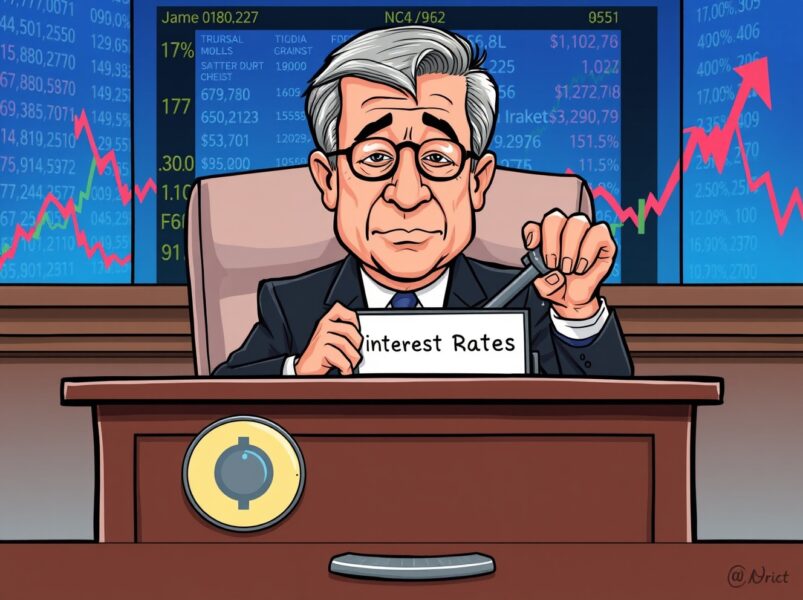
Crucial Fed Rate Cut: Powell’s Bold Risk Management Move Explained
BitcoinWorld Crucial Fed Rate Cut: Powell’s Bold Risk Management Move Explained In a significant development for global financial markets, Federal Reserve Chair Jerome Powell recently described the latest Fed rate cut as a critical risk management measure. This statement immediately captured the attention of investors, economists, and especially those in the dynamic cryptocurrency space. Understanding Powell’s rationale and the potential implications of this move is essential for navigating today’s complex economic landscape. What Exactly is a Fed Rate Cut and Why Does it Matter? A Fed rate cut refers to the Federal Reserve lowering the target range for the federal funds rate. This is the interest rate at which commercial banks borrow and lend their excess reserves to each other overnight. When the Fed lowers this rate, it typically makes borrowing cheaper across the entire economy. This decision impacts everything from mortgage rates to business loans. The Fed uses interest rates as a primary tool to influence economic activity, aiming to achieve maximum employment and stable prices. A lower rate often stimulates spending and investment, but it can also signal concerns about economic slowdown. Key reasons for a rate cut often include: Slowing economic growth or recession fears. Low inflation or deflationary pressures. Global economic instability impacting domestic markets. A desire to provide more liquidity to the financial system. Powell’s emphasis on ‘risk management’ suggests a proactive approach. The Fed is not just reacting to current data but also anticipating potential future challenges. They are essentially trying to prevent a worse economic outcome by adjusting policy now. How Does a Fed Rate Cut Influence the Broader Economy? When the Federal Reserve implements a Fed rate cut, it sends ripples throughout the financial world. For traditional markets, lower interest rates generally mean: Boost for Stocks: Companies can borrow more cheaply, potentially increasing profits and stock valuations. Investors might also move money from lower-yielding bonds into equities. Cheaper Borrowing: Consumers and businesses enjoy lower rates on loans, from mortgages to credit cards, encouraging spending and investment. Weaker Dollar: Lower rates can make a country’s currency less attractive to foreign investors, potentially leading to a weaker dollar. Bond Market Shifts: Existing bonds with higher yields become more attractive, while newly issued bonds will have lower yields. This shift in monetary policy aims to inject confidence and liquidity into the system, countering potential economic headwinds. However, there’s always a delicate balance to strike, as too much stimulus can lead to inflationary pressures down the line. What Does This Fed Rate Cut Mean for Cryptocurrency Investors? The impact of a Fed rate cut on the cryptocurrency market is often a topic of intense discussion. While crypto assets operate independently of central banks, they are not immune to broader macroeconomic forces. Here’s how a rate cut can play out: Increased Risk Appetite: With traditional savings and bond yields potentially lower, investors might seek higher returns in riskier assets, including cryptocurrencies like Bitcoin and Ethereum. Inflation Hedge Narrative: Some view cryptocurrencies, particularly Bitcoin, as a hedge against inflation and traditional currency debasement. If a rate cut leads to concerns about inflation, this narrative could gain traction. Liquidity Influx: A more accommodative monetary policy can increase overall liquidity in the financial system, some of which may flow into digital assets. Dollar Weakness: A weaker dollar, a potential consequence of rate cuts, can sometimes make dollar-denominated assets like crypto more appealing to international investors. However, it’s crucial to remember that the crypto market also has its unique drivers, including technological developments, regulatory news, and market sentiment. While a Fed rate cut can provide a tailwind, it’s not the sole determinant of crypto performance. Navigating the New Landscape: Actionable Insights for Crypto Investors Given the Federal Reserve’s stance on risk management through a Fed rate cut, what steps can crypto investors consider? Stay Informed: Keep a close watch on further Fed announcements and economic data. Understanding the broader macroeconomic picture is vital. Diversify Your Portfolio: While a rate cut might favor risk assets, a balanced portfolio that includes a mix of traditional and digital assets can help mitigate volatility. Long-Term Perspective: Focus on the fundamental value and long-term potential of your chosen cryptocurrencies rather than short-term fluctuations driven by macro news. Assess Risk Tolerance: Re-evaluate your personal risk tolerance in light of potential market shifts. Lower rates can encourage speculation, but prudence remains key. Powell’s description of the Fed rate cut as a risk management measure highlights the central bank’s commitment to maintaining economic stability. For cryptocurrency enthusiasts, this move underscores the increasing interconnectedness of traditional finance and the digital asset world. While a rate cut can create opportunities, a thoughtful and informed approach is always the best strategy. Frequently Asked Questions (FAQs) What exactly is a Fed rate cut? A Fed rate cut is when the Federal Reserve lowers its target for the federal funds rate, which is the benchmark interest rate banks charge each other for overnight lending. This action makes borrowing cheaper across the economy, aiming to stimulate economic activity. Why did Powell emphasize “risk management” for this Fed rate cut? Jerome Powell emphasized “risk management” to indicate that the Fed was proactively addressing potential economic slowdowns or other future challenges. It suggests a preventative measure to safeguard against adverse economic conditions rather than merely reacting to existing problems. How does a Fed rate cut typically affect the crypto market? A Fed rate cut can make traditional investments less attractive due to lower yields, potentially driving investors towards higher-risk, higher-reward assets like cryptocurrencies. It can also increase overall market liquidity and strengthen the narrative of crypto as an inflation hedge. Should crypto investors change their strategy after a rate cut? While a rate cut can influence market dynamics, crypto investors should primarily focus on their long-term strategy, fundamental research, and risk tolerance. It’s wise to stay informed about macroeconomic trends but avoid making impulsive decisions based solely on a single policy change. What are the potential downsides of a Fed rate cut? Potential downsides include increased inflationary pressures if the economy overheats, a weaker national currency, and the possibility of creating asset bubbles as investors chase higher returns in riskier markets. It can also signal underlying concerns about economic health. Did you find this article insightful? Share your thoughts and help others understand the implications of the Fed’s latest move! Follow us on social media for more real-time updates and expert analysis. To learn more about the latest crypto market trends, explore our article on key developments shaping Bitcoin’s price action. This post Crucial Fed Rate Cut: Powell’s Bold Risk Management Move Explained first appeared on BitcoinWorld.
Share
Coinstats2025/09/18 16:40

Inference Research Launches in Hong Kong with US$20M Seed Funding
Inference Research, an AI-native quantitative trading firm based in Hong Kong, has announced its launch and the expected closing of a US$20 million Seed funding
Share
Fintechnews2026/02/13 11:38

Should traders track FLOKI, memecoins to see where Bitcoin’s price will go?
The post Should traders track FLOKI, memecoins to see where Bitcoin’s price will go? appeared on BitcoinEthereumNews.com. The memecoin sector, characterized by
Share
BitcoinEthereumNews2026/02/13 11:15