

An expected smartphone price hike will slow down 5G adoption in Nigeria
Smartphone prices are about to rise in 2026. In its 2026 outlook, Counterpoint Research noted that the price hike is related to DRAM/NAND (chips) shortages and rising component costs, as chipmakers now prioritise AI data centres over smartphones.
With the change, global smartphone shipments are projected to decline 2.1% in 2026 as surging component costs are likely to impact demand. Memory prices could rise another 40% through Q2 2026, resulting in manufacturing costs averaging between 8% and over 15%.
Providing more context on the chip shortage, Counterpoint Research said the strong demand for high-bandwidth memory by big tech firms such as Microsoft, Google, Meta, and Amazon had forced the three largest memory manufacturers, Samsung Electronics, SK Hynix, and Micron Technology, to redirect their operation strategy.
Speaking with Technext, Marc Einstein, a Research Director at Counterpoint Research, noted that chip manufacturers are currently repositioning their focus.
“Because there are only a few companies that make memory, there is little that smartphone manufacturers can do except weather the storm,” he said, adding that “there will be increased interest in refurbished devices.”

Following the trend, memory manufacturers are redirecting their limited space and capital expenditure toward higher-margin, enterprise-grade components.
Africa’s smartphone adoption
With this development, Africa faces a significant disadvantage. It comes at a time when smartphone adoption is rising.
Africa’s smartphone market recorded growth for nine straight quarters, with a 7% YoY growth in the second quarter of 2025. At that time, shipment volume stood at over 23 million units, with the Nigerian and South African markets leading the surge with a 10% and 2% YoY increase, respectively.
As of 2024, the region has over 540 million users in sub-Saharan Africa and is expected to reach 880 million by 2030. Smartphone penetration is increasing at a rate of 5% annually, largely driven by device affordability and network expansion.
With adoption comes a corresponding increase in 4G/5G network users. For instance, Nigeria has witnessed a significant rise in 4G/5G market share in two years, from a combined share of 25% in 2023 to nearly 56% in 2025.

Also Read: Nigeria’s 5G network fails 55% of the time despite surge in smartphone readiness.
Why Nigeria and the rest of Africa will be the most affected
In his submission, Marc noted that Africa will face significant pressure attributed to the expected smartphone price hike. Marc said “Africa will be the most impacted region,” noting that markets such as Nigeria, “which are facing double-digit inflation rates”, will face greater impacts.
The 4G network a larger market share in Africa, with 5G network adoption lagging. While 5G-enabled devices have been seeing massive adoption, they are not being met with ready network coverage.
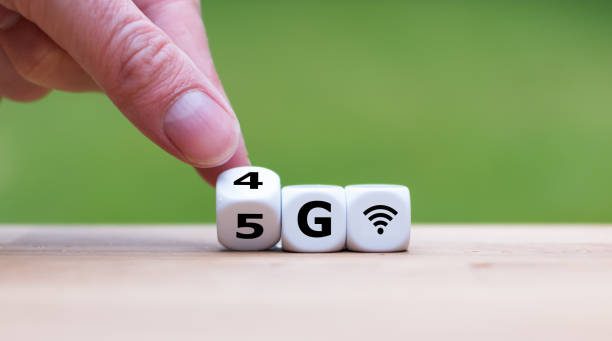
However, the possibility of a smartphone price hike will make the prospect worse.
The research company, in a December revised report, said average selling prices (ASPs) are expected to increase in 2026 by 6.9%. A revision up from 3.9% in its previous ASP forecast released in September 2025.
To add, smartphones under the $200 price range are likely to be mostly affected. Nigeria and the rest of Africa will suffer a large hit with the region falling into a lower price tier of $50 to $99. With prices ranging from N120, 000 ($75) to over N2 million ($1,250), these devices are out of reach for many Nigerians, especially the 88.4 million living in extreme poverty
“Consumers should watch out for shrinkflation when making future purchases, as vendors will try to cut costs with other components such as displays and cameras to keep prices lower,” Marc said
The researcher noted that the chip shortages have caused a 30% increase in material cost. He asserted that “this is particularly severe, and this is why Africa is the most impacted, as these vendors can’t sell devices at a loss.”
 Marc Einstein and Ahmad Shehab
In his own submission, Ahmad Shehab, a research analyst at Counterpoint Research, told Technext that migration from feature phones to smartphones is expected to slow in the coming months.
“The impact is more pronounced in entry-tier smartphones due to their thinner profit margins, hence the Middle East and Africa will be very much impacted, being the world’s largest market for entry-tier smartphones, the sub $150 category in particular,” he added.
Ahmad noted that since entry-tier models have been the main driver of entry-tier smartphone growth, it could also delay broader 5G adoption.
Also Read: Apple leads 2025 global smartphone shipments with 20% market share and 10% YoY growth.
With a potential hike in price, the greatest threat is affordability, which has always been a critical barrier.
“This (the price hike) will absolutely impact 5G adoption negatively,” Marc said, adding that “this is because the devices are more expensive and telcos (in Africa) have less of an incentive to deploy the networks.”

Speaking last year, Yahaya Ibrahim, MTN Nigeria’s chief technical officer, noted that the operator won’t deploy 5G where there are no 5G handsets.
“By leveraging AI for demand planning and fault detection, we optimise 5G deployment in high-demand urban centres like Lagos and Abuja, avoiding inefficient investments in areas with low device penetration,” he said.
To weather the storm, Marc admonished the African government to reduce both import taxes and sales taxes on phones. This, according to him, will keep the devices affordable.
The post An expected smartphone price hike will slow down 5G adoption in Nigeria first appeared on Technext.


You May Also Like

US-Iran tensions rise as decapitation strike prediction complicates ceasefire

Franklin Templeton CEO Dismisses 50bps Rate Cut Ahead FOMC




