BitcoinWorld Digital Euro Project: EU Eyes Ethereum and Solana in a Bold Move A significant development is capturing attention in the financial world: the European Union (EU) is reportedly considering building its ambitious digital euro project on established public blockchains like Ethereum or Solana. This pivotal shift, as reported by U.Today citing a Financial Times report, indicates a move away from earlier considerations of private blockchains. The decision underscores the EU’s urgency to accelerate its digital currency efforts, driven by concerns about lagging behind the U.S. in the rapidly evolving stablecoin market. Why Public Blockchains for the Digital Euro Project? The EU’s potential pivot towards public blockchain networks for its digital euro project signals a strategic re-evaluation. While central banks often prefer private ledgers for control, public chains offer distinct advantages: Enhanced Transparency: Public blockchains allow verifiable transactions, fostering trust and accountability. Innovation Ecosystem: Leveraging platforms like Ethereum or Solana taps into vast developer communities, potentially accelerating the digital euro project’s development and adoption. Resilience: Building on a public network can offer decentralized aspects, making the system more robust and less prone to single points of failure. This strategic choice reflects a proactive stance by EU officials. They aim to prevent the EU from falling behind in digital currency innovation, especially given global stablecoin advancements. Ethereum or Solana: Which Platform Will Power the Digital Euro Project? The choice between Ethereum and Solana presents a critical decision for the digital euro project, with each offering unique strengths: Ethereum’s Strengths: As the leading smart contract platform, Ethereum boasts a massive developer community, robust security, and a proven track record. Its mature ecosystem and extensive tooling provide a reliable environment for complex applications. Solana’s Advantages: Solana is known for its high speed and low transaction costs. Its impressive throughput capabilities are crucial for a national digital currency expected to handle millions of daily transactions. Solana’s scalability could efficiently address high user volumes for the digital euro project. The EU’s technical assessment will carefully weigh these factors. The chosen platform must balance security, scalability, cost-efficiency, and a strong community to support the long-term vision of the digital euro project. What Are the Hurdles Facing the Digital Euro Project? While a public blockchain-powered digital euro project is exciting, several significant challenges require robust solutions: Regulatory Frameworks: Integrating a digital currency into existing finance demands extensive regulatory adjustments and clear legal guidance for public ledgers. Scalability: Even advanced public chains face pressure handling national-scale payment systems. Ensuring peak demand without compromising speed or cost is vital. Privacy Concerns: Balancing user privacy with anti-money laundering (AML) and know-your-customer (KYC) compliance is delicate, given the transparency of public blockchains. Interoperability: The digital euro must seamlessly integrate with current banking infrastructure and other digital payment systems. Addressing these challenges effectively is paramount for the successful implementation and widespread adoption of the digital euro. The EU’s exploration of these options shows a serious commitment to overcoming potential hurdles. The EU’s contemplation of Ethereum and Solana for its digital euro project is more than a technical decision; it’s a profound statement about the future of finance. This move signals a growing recognition of blockchain technology’s transformative potential. Should the EU proceed with a public blockchain, it could set a significant precedent for central banks globally, influencing the trajectory of central bank digital currencies and the broader crypto landscape. The journey ahead for the digital euro project promises to be immensely fascinating, shaping how we transact and interact with money in the digital age. Frequently Asked Questions about the Digital Euro Project Q: What is the digital euro project? A: It’s an EU initiative to create a central bank digital currency (CBDC) for the eurozone. This digital euro, issued by the ECB, would complement physical cash and bank deposits. Q: Why consider Ethereum and Solana? A: The EU explores these public blockchains for their transparency, innovation ecosystems, and resilience. This also helps avoid falling behind other nations in digital currency development. Q: What are public blockchain advantages for a CBDC? A: Benefits include greater transaction transparency, access to a vast developer community for innovation, and enhanced system resilience compared to private ledgers. Q: What challenges might the project face? A: Challenges involve complex regulatory adjustments, ensuring scalability for national transaction volumes, balancing user privacy with compliance, and achieving interoperability with existing financial systems. Q: How does it differ from cryptocurrencies? A: Unlike decentralized cryptocurrencies, the digital euro would be a centralized CBDC issued and controlled by the ECB, offering stability and trust similar to physical cash. What are your thoughts on the EU’s bold move to consider public blockchains for the digital euro? Share this article on your social media to spark a conversation about the future of digital finance! To learn more about the latest crypto market trends, explore our article on key developments shaping digital euro project institutional adoption. This post Digital Euro Project: EU Eyes Ethereum and Solana in a Bold Move first appeared on BitcoinWorld and is written by Editorial TeamBitcoinWorld Digital Euro Project: EU Eyes Ethereum and Solana in a Bold Move A significant development is capturing attention in the financial world: the European Union (EU) is reportedly considering building its ambitious digital euro project on established public blockchains like Ethereum or Solana. This pivotal shift, as reported by U.Today citing a Financial Times report, indicates a move away from earlier considerations of private blockchains. The decision underscores the EU’s urgency to accelerate its digital currency efforts, driven by concerns about lagging behind the U.S. in the rapidly evolving stablecoin market. Why Public Blockchains for the Digital Euro Project? The EU’s potential pivot towards public blockchain networks for its digital euro project signals a strategic re-evaluation. While central banks often prefer private ledgers for control, public chains offer distinct advantages: Enhanced Transparency: Public blockchains allow verifiable transactions, fostering trust and accountability. Innovation Ecosystem: Leveraging platforms like Ethereum or Solana taps into vast developer communities, potentially accelerating the digital euro project’s development and adoption. Resilience: Building on a public network can offer decentralized aspects, making the system more robust and less prone to single points of failure. This strategic choice reflects a proactive stance by EU officials. They aim to prevent the EU from falling behind in digital currency innovation, especially given global stablecoin advancements. Ethereum or Solana: Which Platform Will Power the Digital Euro Project? The choice between Ethereum and Solana presents a critical decision for the digital euro project, with each offering unique strengths: Ethereum’s Strengths: As the leading smart contract platform, Ethereum boasts a massive developer community, robust security, and a proven track record. Its mature ecosystem and extensive tooling provide a reliable environment for complex applications. Solana’s Advantages: Solana is known for its high speed and low transaction costs. Its impressive throughput capabilities are crucial for a national digital currency expected to handle millions of daily transactions. Solana’s scalability could efficiently address high user volumes for the digital euro project. The EU’s technical assessment will carefully weigh these factors. The chosen platform must balance security, scalability, cost-efficiency, and a strong community to support the long-term vision of the digital euro project. What Are the Hurdles Facing the Digital Euro Project? While a public blockchain-powered digital euro project is exciting, several significant challenges require robust solutions: Regulatory Frameworks: Integrating a digital currency into existing finance demands extensive regulatory adjustments and clear legal guidance for public ledgers. Scalability: Even advanced public chains face pressure handling national-scale payment systems. Ensuring peak demand without compromising speed or cost is vital. Privacy Concerns: Balancing user privacy with anti-money laundering (AML) and know-your-customer (KYC) compliance is delicate, given the transparency of public blockchains. Interoperability: The digital euro must seamlessly integrate with current banking infrastructure and other digital payment systems. Addressing these challenges effectively is paramount for the successful implementation and widespread adoption of the digital euro. The EU’s exploration of these options shows a serious commitment to overcoming potential hurdles. The EU’s contemplation of Ethereum and Solana for its digital euro project is more than a technical decision; it’s a profound statement about the future of finance. This move signals a growing recognition of blockchain technology’s transformative potential. Should the EU proceed with a public blockchain, it could set a significant precedent for central banks globally, influencing the trajectory of central bank digital currencies and the broader crypto landscape. The journey ahead for the digital euro project promises to be immensely fascinating, shaping how we transact and interact with money in the digital age. Frequently Asked Questions about the Digital Euro Project Q: What is the digital euro project? A: It’s an EU initiative to create a central bank digital currency (CBDC) for the eurozone. This digital euro, issued by the ECB, would complement physical cash and bank deposits. Q: Why consider Ethereum and Solana? A: The EU explores these public blockchains for their transparency, innovation ecosystems, and resilience. This also helps avoid falling behind other nations in digital currency development. Q: What are public blockchain advantages for a CBDC? A: Benefits include greater transaction transparency, access to a vast developer community for innovation, and enhanced system resilience compared to private ledgers. Q: What challenges might the project face? A: Challenges involve complex regulatory adjustments, ensuring scalability for national transaction volumes, balancing user privacy with compliance, and achieving interoperability with existing financial systems. Q: How does it differ from cryptocurrencies? A: Unlike decentralized cryptocurrencies, the digital euro would be a centralized CBDC issued and controlled by the ECB, offering stability and trust similar to physical cash. What are your thoughts on the EU’s bold move to consider public blockchains for the digital euro? Share this article on your social media to spark a conversation about the future of digital finance! To learn more about the latest crypto market trends, explore our article on key developments shaping digital euro project institutional adoption. This post Digital Euro Project: EU Eyes Ethereum and Solana in a Bold Move first appeared on BitcoinWorld and is written by Editorial Team

Digital Euro Project: EU Eyes Ethereum and Solana in a Bold Move

2025/08/22 14:10
5 min read

BitcoinWorld

Digital Euro Project: EU Eyes Ethereum and Solana in a Bold Move

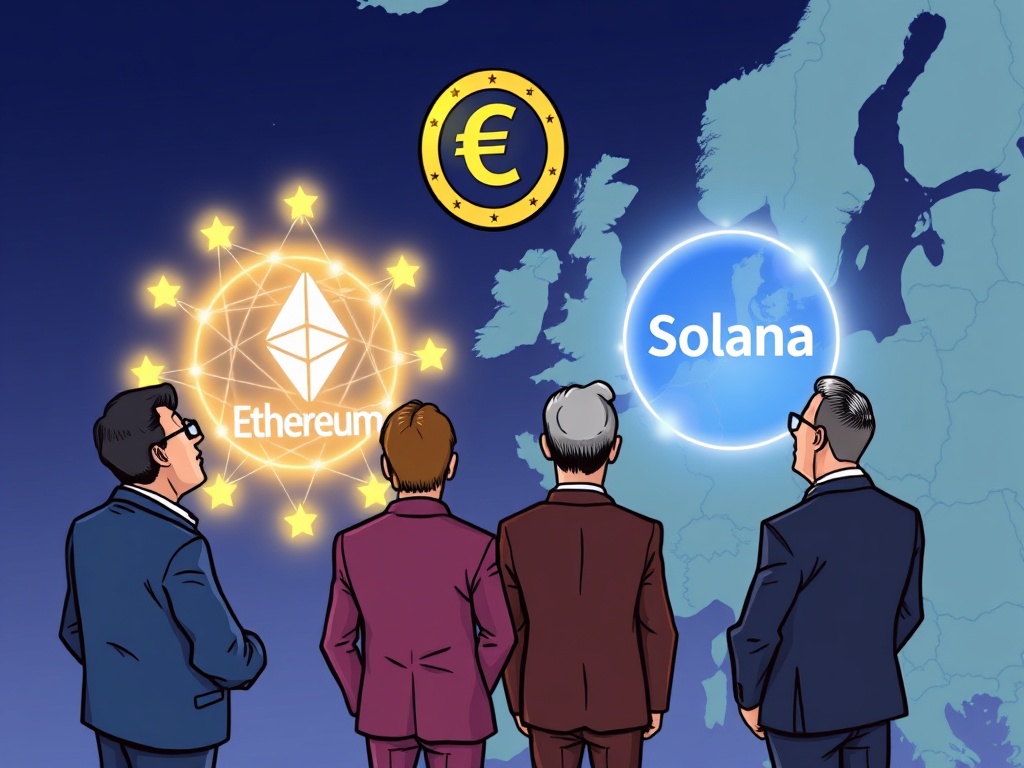
A significant development is capturing attention in the financial world: the European Union (EU) is reportedly considering building its ambitious digital euro project on established public blockchains like Ethereum or Solana. This pivotal shift, as reported by U.Today citing a Financial Times report, indicates a move away from earlier considerations of private blockchains. The decision underscores the EU’s urgency to accelerate its digital currency efforts, driven by concerns about lagging behind the U.S. in the rapidly evolving stablecoin market.

Why Public Blockchains for the Digital Euro Project?

The EU’s potential pivot towards public blockchain networks for its digital euro project signals a strategic re-evaluation. While central banks often prefer private ledgers for control, public chains offer distinct advantages:

  • Enhanced Transparency: Public blockchains allow verifiable transactions, fostering trust and accountability.
  • Innovation Ecosystem: Leveraging platforms like Ethereum or Solana taps into vast developer communities, potentially accelerating the digital euro project’s development and adoption.
  • Resilience: Building on a public network can offer decentralized aspects, making the system more robust and less prone to single points of failure.

This strategic choice reflects a proactive stance by EU officials. They aim to prevent the EU from falling behind in digital currency innovation, especially given global stablecoin advancements.

Ethereum or Solana: Which Platform Will Power the Digital Euro Project?

The choice between Ethereum and Solana presents a critical decision for the digital euro project, with each offering unique strengths:

  • Ethereum’s Strengths: As the leading smart contract platform, Ethereum boasts a massive developer community, robust security, and a proven track record. Its mature ecosystem and extensive tooling provide a reliable environment for complex applications.
  • Solana’s Advantages: Solana is known for its high speed and low transaction costs. Its impressive throughput capabilities are crucial for a national digital currency expected to handle millions of daily transactions. Solana’s scalability could efficiently address high user volumes for the digital euro project.

The EU’s technical assessment will carefully weigh these factors. The chosen platform must balance security, scalability, cost-efficiency, and a strong community to support the long-term vision of the digital euro project.

What Are the Hurdles Facing the Digital Euro Project?

While a public blockchain-powered digital euro project is exciting, several significant challenges require robust solutions:

  • Regulatory Frameworks: Integrating a digital currency into existing finance demands extensive regulatory adjustments and clear legal guidance for public ledgers.
  • Scalability: Even advanced public chains face pressure handling national-scale payment systems. Ensuring peak demand without compromising speed or cost is vital.
  • Privacy Concerns: Balancing user privacy with anti-money laundering (AML) and know-your-customer (KYC) compliance is delicate, given the transparency of public blockchains.
  • Interoperability: The digital euro must seamlessly integrate with current banking infrastructure and other digital payment systems.

Addressing these challenges effectively is paramount for the successful implementation and widespread adoption of the digital euro. The EU’s exploration of these options shows a serious commitment to overcoming potential hurdles.

The EU’s contemplation of Ethereum and Solana for its digital euro project is more than a technical decision; it’s a profound statement about the future of finance. This move signals a growing recognition of blockchain technology’s transformative potential. Should the EU proceed with a public blockchain, it could set a significant precedent for central banks globally, influencing the trajectory of central bank digital currencies and the broader crypto landscape. The journey ahead for the digital euro project promises to be immensely fascinating, shaping how we transact and interact with money in the digital age.

Frequently Asked Questions about the Digital Euro Project

Q: What is the digital euro project?
A: It’s an EU initiative to create a central bank digital currency (CBDC) for the eurozone. This digital euro, issued by the ECB, would complement physical cash and bank deposits.
Q: Why consider Ethereum and Solana?
A: The EU explores these public blockchains for their transparency, innovation ecosystems, and resilience. This also helps avoid falling behind other nations in digital currency development.
Q: What are public blockchain advantages for a CBDC?
A: Benefits include greater transaction transparency, access to a vast developer community for innovation, and enhanced system resilience compared to private ledgers.
Q: What challenges might the project face?
A: Challenges involve complex regulatory adjustments, ensuring scalability for national transaction volumes, balancing user privacy with compliance, and achieving interoperability with existing financial systems.
Q: How does it differ from cryptocurrencies?
A: Unlike decentralized cryptocurrencies, the digital euro would be a centralized CBDC issued and controlled by the ECB, offering stability and trust similar to physical cash.

What are your thoughts on the EU’s bold move to consider public blockchains for the digital euro? Share this article on your social media to spark a conversation about the future of digital finance!

To learn more about the latest crypto market trends, explore our article on key developments shaping digital euro project institutional adoption.

This post Digital Euro Project: EU Eyes Ethereum and Solana in a Bold Move first appeared on BitcoinWorld and is written by Editorial Team

Market Opportunity
Quack AI Logo
Quack AI Price(Q)
$0.021375
$0.021375$0.021375
-1.22%
USD
Quack AI (Q) Live Price Chart
Disclaimer: The articles reposted on this site are sourced from public platforms and are provided for informational purposes only. They do not necessarily reflect the views of MEXC. All rights remain with the original authors. If you believe any content infringes on third-party rights, please contact crypto.news@mexc.com for removal. MEXC makes no guarantees regarding the accuracy, completeness, or timeliness of the content and is not responsible for any actions taken based on the information provided. The content does not constitute financial, legal, or other professional advice, nor should it be considered a recommendation or endorsement by MEXC.

You May Also Like

Cloud mining is gaining popularity around the world. LgMining’s efficient cloud mining platform helps you easily deploy digital assets and lead a new wave of crypto wealth.

Cloud mining is gaining popularity around the world. LgMining’s efficient cloud mining platform helps you easily deploy digital assets and lead a new wave of crypto wealth.

The post Cloud mining is gaining popularity around the world. LgMining’s efficient cloud mining platform helps you easily deploy digital assets and lead a new wave of crypto wealth. appeared on BitcoinEthereumNews.com. SPONSORED POST* As the cryptocurrency market continues its recovery, Ethereum has once again become the center of attention for investors. Recently, the well-known crypto mining platform LgMining predicted that Ethereum may surpass its previous all-time high and surge past $5,000. In light of this rare market opportunity, choosing a high-efficiency, secure, and low-cost mining platform has become the top priority for many investors. With its cutting-edge hardware, intelligent technology, and low-cost renewable energy advantages, LgMining Cloud Mining is rapidly emerging as a leader in the cloud mining industry. Ethereum: The Driving Force of the Crypto Market Ethereum is not only the second-largest cryptocurrency by market capitalization but also the backbone of the blockchain smart contract ecosystem. From DeFi (Decentralized Finance) to NFTs (Non-Fungible Tokens) and the broader Web3.0 infrastructure, most innovations are built on Ethereum. This widespread utility gives Ethereum tremendous growth potential. With the upcoming scalability upgrades, the Ethereum network is expected to offer improved performance and transaction speed—likely triggering a fresh wave of market enthusiasm. According to the LgMining research team, Ethereum’s share among institutional and retail investors continues to grow. Combined with shifting monetary policies and global economic uncertainties, Ethereum is expected to break past its previous high of over $4,000 and aim for $5,000 or more in the coming months. LgMining Cloud Mining: Unlocking a Low-Barrier Path to Wealth Traditional crypto mining often requires expensive mining rigs, stable electricity, and complex maintenance—making it inaccessible for the average person. LgMining Cloud Mining breaks down these barriers, allowing anyone to easily participate in mining Ethereum and Bitcoin without owning hardware. LgMining builds its robust and efficient mining infrastructure around three core advantages: 1. High-End Equipment LgMining uses top-tier mining hardware with exceptional computing power and reliability. The platform’s ASIC and GPU miners are carefully selected and tested to…
Share
BitcoinEthereumNews2025/09/18 03:04
Wall Street Pours $506 Million Into Spot Bitcoin ETFs as BlackRock’s IBIT Leads Institutional Buying Wave

Wall Street Pours $506 Million Into Spot Bitcoin ETFs as BlackRock’s IBIT Leads Institutional Buying Wave

U.S. Spot Bitcoin ETFs Record $506.5 Million in Inflows as Institutional Demand Strengthens U.S. spot Bitcoin exchange-traded funds attracted $506.5 million in
Share
Hokanews2026/02/26 22:55
Yuan Cross-Border Financing Gets Major Boost as China Central Bank Unveils Revolutionary New Rules

Yuan Cross-Border Financing Gets Major Boost as China Central Bank Unveils Revolutionary New Rules

BitcoinWorld Yuan Cross-Border Financing Gets Major Boost as China Central Bank Unveils Revolutionary New Rules BEIJING, March 2025 – The People’s Bank of China
Share
bitcoinworld2026/02/26 23:35