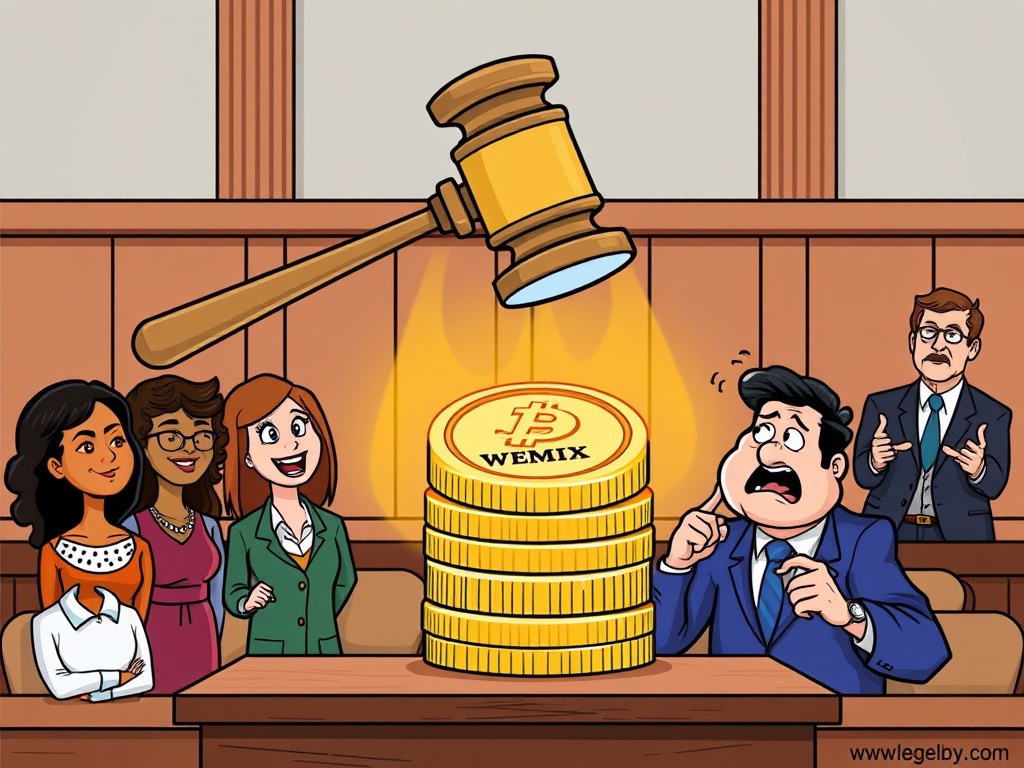
BitcoinWorld WEMIX Compensation: South Korea’s Wemade Faces Crucial $7.1M Payment Order South Korean blockchain game developer Wemade is now facing a significant legal obligation. A recent court ruling mandates the company to pay a substantial sum for WEMIX compensation to its former and current employees. This development sends a clear message across the crypto industry regarding employee agreements and digital asset promises. What’s Behind the WEMIX Compensation Ruling? The Seoul Central District Court delivered a partial victory to a group of plaintiffs on August 22. This civil lawsuit targeted Wemade, ordering the company to pay a total of 9.9 billion won, which translates to approximately $7.1 million USD. This ruling stems from a dispute involving employees who previously worked at Wemade Tree, a former subsidiary of the blockchain gaming giant. The core of the lawsuit revolved around claims that Wemade failed to deliver WEMIX tokens, which had been promised as a vital part of their overall compensation package. Consequently, the court found Wemade liable for these undelivered digital assets, emphasizing the importance of fulfilling such agreements. Why is This Verdict So Crucial for Crypto Companies? This court decision holds immense significance, particularly for companies operating in the rapidly evolving blockchain and cryptocurrency sectors. It sets a precedent, highlighting the legal enforceability of token-based employee incentives. Therefore, companies must approach their digital asset compensation strategies with extreme caution and clarity. The ruling underscores several key takeaways for the industry: Clarity in Token Distribution: All agreements regarding token distribution to employees must be crystal clear, leaving no room for ambiguity. Transparency in Compensation: Companies need to be fully transparent about how and when tokens will be delivered as part of compensation. Legal Enforceability: Promises of crypto assets, like WEMIX compensation, are legally binding and can lead to significant liabilities if not honored. How Does This Impact Wemade and the WEMIX Ecosystem? For Wemade, the immediate impact is a substantial financial payout of $7.1 million. This sum will undoubtedly affect the company’s financial planning. Beyond the monetary aspect, the ruling could also influence Wemade’s reputation within the blockchain community and among potential employees. Maintaining trust is paramount in the crypto space, and legal disputes can sometimes erode that trust. Furthermore, this situation brings renewed attention to the WEMIX token itself. As the primary asset at the center of this compensation dispute, its role in employee incentive programs will likely be scrutinized more closely by other industry players. Lessons Learned: Navigating Employee Token Agreements The Wemade case offers invaluable lessons for any company considering or currently offering crypto tokens as part of employee compensation. It demonstrates that verbal or vaguely documented promises can lead to serious legal and financial repercussions. Businesses must establish robust legal frameworks for their digital asset programs. Here are actionable insights for blockchain companies: Document Everything: Ensure all token promises, vesting schedules, and delivery mechanisms are meticulously documented in legally binding contracts. Seek Expert Legal Counsel: Engage legal professionals specializing in blockchain and employment law to draft and review all compensation agreements. Manage Expectations: Clearly communicate the risks, benefits, and market volatility associated with token compensation to employees. Regular Review: Periodically review and update token compensation policies to align with evolving legal and regulatory landscapes. In conclusion, the Seoul Central District Court’s order for Wemade to pay $7.1 million in WEMIX compensation serves as a powerful reminder. It highlights the critical need for meticulous planning, transparency, and legal diligence when structuring employee incentive programs involving digital assets. This case will likely influence how future crypto companies approach token-based compensation, ensuring greater protection for employees and clearer obligations for employers. Frequently Asked Questions (FAQs) 1. What is the WEMIX compensation lawsuit about? The lawsuit involves former and current employees of Wemade Tree, a former Wemade subsidiary, who claimed they were not paid the promised WEMIX tokens as part of their compensation. 2. Who are the plaintiffs in this case? The plaintiffs are a group of former and current employees who worked at Wemade Tree, the blockchain game developer’s former subsidiary. 3. What was the court’s decision regarding Wemade? The Seoul Central District Court ruled partly in favor of the plaintiffs, ordering Wemade to pay a total of 9.9 billion won (approximately $7.1 million) in damages. 4. What does this ruling mean for other blockchain companies? This ruling emphasizes the legal enforceability of token-based employee compensation agreements, urging other blockchain companies to ensure clarity, transparency, and robust legal documentation for their digital asset programs. 5. How much did Wemade have to pay in total? Wemade was ordered to pay 9.9 billion won, which is approximately $7.1 million USD, in WEMIX compensation to the employees. Did you find this article informative? Share it with your network to help others understand the crucial implications of this WEMIX compensation ruling for the crypto industry! To learn more about the latest crypto market trends, explore our article on key developments shaping blockchain gaming employee incentives. This post WEMIX Compensation: South Korea’s Wemade Faces Crucial $7.1M Payment Order first appeared on BitcoinWorld and is written by Editorial TeamBitcoinWorld WEMIX Compensation: South Korea’s Wemade Faces Crucial $7.1M Payment Order South Korean blockchain game developer Wemade is now facing a significant legal obligation. A recent court ruling mandates the company to pay a substantial sum for WEMIX compensation to its former and current employees. This development sends a clear message across the crypto industry regarding employee agreements and digital asset promises. What’s Behind the WEMIX Compensation Ruling? The Seoul Central District Court delivered a partial victory to a group of plaintiffs on August 22. This civil lawsuit targeted Wemade, ordering the company to pay a total of 9.9 billion won, which translates to approximately $7.1 million USD. This ruling stems from a dispute involving employees who previously worked at Wemade Tree, a former subsidiary of the blockchain gaming giant. The core of the lawsuit revolved around claims that Wemade failed to deliver WEMIX tokens, which had been promised as a vital part of their overall compensation package. Consequently, the court found Wemade liable for these undelivered digital assets, emphasizing the importance of fulfilling such agreements. Why is This Verdict So Crucial for Crypto Companies? This court decision holds immense significance, particularly for companies operating in the rapidly evolving blockchain and cryptocurrency sectors. It sets a precedent, highlighting the legal enforceability of token-based employee incentives. Therefore, companies must approach their digital asset compensation strategies with extreme caution and clarity. The ruling underscores several key takeaways for the industry: Clarity in Token Distribution: All agreements regarding token distribution to employees must be crystal clear, leaving no room for ambiguity. Transparency in Compensation: Companies need to be fully transparent about how and when tokens will be delivered as part of compensation. Legal Enforceability: Promises of crypto assets, like WEMIX compensation, are legally binding and can lead to significant liabilities if not honored. How Does This Impact Wemade and the WEMIX Ecosystem? For Wemade, the immediate impact is a substantial financial payout of $7.1 million. This sum will undoubtedly affect the company’s financial planning. Beyond the monetary aspect, the ruling could also influence Wemade’s reputation within the blockchain community and among potential employees. Maintaining trust is paramount in the crypto space, and legal disputes can sometimes erode that trust. Furthermore, this situation brings renewed attention to the WEMIX token itself. As the primary asset at the center of this compensation dispute, its role in employee incentive programs will likely be scrutinized more closely by other industry players. Lessons Learned: Navigating Employee Token Agreements The Wemade case offers invaluable lessons for any company considering or currently offering crypto tokens as part of employee compensation. It demonstrates that verbal or vaguely documented promises can lead to serious legal and financial repercussions. Businesses must establish robust legal frameworks for their digital asset programs. Here are actionable insights for blockchain companies: Document Everything: Ensure all token promises, vesting schedules, and delivery mechanisms are meticulously documented in legally binding contracts. Seek Expert Legal Counsel: Engage legal professionals specializing in blockchain and employment law to draft and review all compensation agreements. Manage Expectations: Clearly communicate the risks, benefits, and market volatility associated with token compensation to employees. Regular Review: Periodically review and update token compensation policies to align with evolving legal and regulatory landscapes. In conclusion, the Seoul Central District Court’s order for Wemade to pay $7.1 million in WEMIX compensation serves as a powerful reminder. It highlights the critical need for meticulous planning, transparency, and legal diligence when structuring employee incentive programs involving digital assets. This case will likely influence how future crypto companies approach token-based compensation, ensuring greater protection for employees and clearer obligations for employers. Frequently Asked Questions (FAQs) 1. What is the WEMIX compensation lawsuit about? The lawsuit involves former and current employees of Wemade Tree, a former Wemade subsidiary, who claimed they were not paid the promised WEMIX tokens as part of their compensation. 2. Who are the plaintiffs in this case? The plaintiffs are a group of former and current employees who worked at Wemade Tree, the blockchain game developer’s former subsidiary. 3. What was the court’s decision regarding Wemade? The Seoul Central District Court ruled partly in favor of the plaintiffs, ordering Wemade to pay a total of 9.9 billion won (approximately $7.1 million) in damages. 4. What does this ruling mean for other blockchain companies? This ruling emphasizes the legal enforceability of token-based employee compensation agreements, urging other blockchain companies to ensure clarity, transparency, and robust legal documentation for their digital asset programs. 5. How much did Wemade have to pay in total? Wemade was ordered to pay 9.9 billion won, which is approximately $7.1 million USD, in WEMIX compensation to the employees. Did you find this article informative? Share it with your network to help others understand the crucial implications of this WEMIX compensation ruling for the crypto industry! To learn more about the latest crypto market trends, explore our article on key developments shaping blockchain gaming employee incentives. This post WEMIX Compensation: South Korea’s Wemade Faces Crucial $7.1M Payment Order first appeared on BitcoinWorld and is written by Editorial Team


WEMIX Compensation: South Korea’s Wemade Faces Crucial $7.1M Payment Order

2025/08/22 15:30
5 min read

BitcoinWorld

WEMIX Compensation: South Korea’s Wemade Faces Crucial $7.1M Payment Order

South Korean blockchain game developer Wemade is now facing a significant legal obligation. A recent court ruling mandates the company to pay a substantial sum for WEMIX compensation to its former and current employees. This development sends a clear message across the crypto industry regarding employee agreements and digital asset promises.

What’s Behind the WEMIX Compensation Ruling?

The Seoul Central District Court delivered a partial victory to a group of plaintiffs on August 22. This civil lawsuit targeted Wemade, ordering the company to pay a total of 9.9 billion won, which translates to approximately $7.1 million USD. This ruling stems from a dispute involving employees who previously worked at Wemade Tree, a former subsidiary of the blockchain gaming giant.

The core of the lawsuit revolved around claims that Wemade failed to deliver WEMIX tokens, which had been promised as a vital part of their overall compensation package. Consequently, the court found Wemade liable for these undelivered digital assets, emphasizing the importance of fulfilling such agreements.

Why is This Verdict So Crucial for Crypto Companies?

This court decision holds immense significance, particularly for companies operating in the rapidly evolving blockchain and cryptocurrency sectors. It sets a precedent, highlighting the legal enforceability of token-based employee incentives. Therefore, companies must approach their digital asset compensation strategies with extreme caution and clarity.

The ruling underscores several key takeaways for the industry:

  • Clarity in Token Distribution: All agreements regarding token distribution to employees must be crystal clear, leaving no room for ambiguity.
  • Transparency in Compensation: Companies need to be fully transparent about how and when tokens will be delivered as part of compensation.
  • Legal Enforceability: Promises of crypto assets, like WEMIX compensation, are legally binding and can lead to significant liabilities if not honored.

How Does This Impact Wemade and the WEMIX Ecosystem?

For Wemade, the immediate impact is a substantial financial payout of $7.1 million. This sum will undoubtedly affect the company’s financial planning. Beyond the monetary aspect, the ruling could also influence Wemade’s reputation within the blockchain community and among potential employees. Maintaining trust is paramount in the crypto space, and legal disputes can sometimes erode that trust.

Furthermore, this situation brings renewed attention to the WEMIX token itself. As the primary asset at the center of this compensation dispute, its role in employee incentive programs will likely be scrutinized more closely by other industry players.

Lessons Learned: Navigating Employee Token Agreements

The Wemade case offers invaluable lessons for any company considering or currently offering crypto tokens as part of employee compensation. It demonstrates that verbal or vaguely documented promises can lead to serious legal and financial repercussions. Businesses must establish robust legal frameworks for their digital asset programs.

Here are actionable insights for blockchain companies:

  • Document Everything: Ensure all token promises, vesting schedules, and delivery mechanisms are meticulously documented in legally binding contracts.
  • Seek Expert Legal Counsel: Engage legal professionals specializing in blockchain and employment law to draft and review all compensation agreements.
  • Manage Expectations: Clearly communicate the risks, benefits, and market volatility associated with token compensation to employees.
  • Regular Review: Periodically review and update token compensation policies to align with evolving legal and regulatory landscapes.

In conclusion, the Seoul Central District Court’s order for Wemade to pay $7.1 million in WEMIX compensation serves as a powerful reminder. It highlights the critical need for meticulous planning, transparency, and legal diligence when structuring employee incentive programs involving digital assets. This case will likely influence how future crypto companies approach token-based compensation, ensuring greater protection for employees and clearer obligations for employers.

Frequently Asked Questions (FAQs)

1. What is the WEMIX compensation lawsuit about?

The lawsuit involves former and current employees of Wemade Tree, a former Wemade subsidiary, who claimed they were not paid the promised WEMIX tokens as part of their compensation.

2. Who are the plaintiffs in this case?

The plaintiffs are a group of former and current employees who worked at Wemade Tree, the blockchain game developer’s former subsidiary.

3. What was the court’s decision regarding Wemade?

The Seoul Central District Court ruled partly in favor of the plaintiffs, ordering Wemade to pay a total of 9.9 billion won (approximately $7.1 million) in damages.

4. What does this ruling mean for other blockchain companies?

This ruling emphasizes the legal enforceability of token-based employee compensation agreements, urging other blockchain companies to ensure clarity, transparency, and robust legal documentation for their digital asset programs.

5. How much did Wemade have to pay in total?

Wemade was ordered to pay 9.9 billion won, which is approximately $7.1 million USD, in WEMIX compensation to the employees.

Did you find this article informative? Share it with your network to help others understand the crucial implications of this WEMIX compensation ruling for the crypto industry!

To learn more about the latest crypto market trends, explore our article on key developments shaping blockchain gaming employee incentives.

This post WEMIX Compensation: South Korea’s Wemade Faces Crucial $7.1M Payment Order first appeared on BitcoinWorld and is written by Editorial Team

Market Opportunity
WEMIX Logo
WEMIX Price(WEMIX)
$0.3045
$0.3045$0.3045
-0.03%
USD
WEMIX (WEMIX) Live Price Chart
Disclaimer: The articles reposted on this site are sourced from public platforms and are provided for informational purposes only. They do not necessarily reflect the views of MEXC. All rights remain with the original authors. If you believe any content infringes on third-party rights, please contact crypto.news@mexc.com for removal. MEXC makes no guarantees regarding the accuracy, completeness, or timeliness of the content and is not responsible for any actions taken based on the information provided. The content does not constitute financial, legal, or other professional advice, nor should it be considered a recommendation or endorsement by MEXC.

You May Also Like

Cloud mining is gaining popularity around the world. LgMining’s efficient cloud mining platform helps you easily deploy digital assets and lead a new wave of crypto wealth.

Cloud mining is gaining popularity around the world. LgMining’s efficient cloud mining platform helps you easily deploy digital assets and lead a new wave of crypto wealth.

The post Cloud mining is gaining popularity around the world. LgMining’s efficient cloud mining platform helps you easily deploy digital assets and lead a new wave of crypto wealth. appeared on BitcoinEthereumNews.com. SPONSORED POST* As the cryptocurrency market continues its recovery, Ethereum has once again become the center of attention for investors. Recently, the well-known crypto mining platform LgMining predicted that Ethereum may surpass its previous all-time high and surge past $5,000. In light of this rare market opportunity, choosing a high-efficiency, secure, and low-cost mining platform has become the top priority for many investors. With its cutting-edge hardware, intelligent technology, and low-cost renewable energy advantages, LgMining Cloud Mining is rapidly emerging as a leader in the cloud mining industry. Ethereum: The Driving Force of the Crypto Market Ethereum is not only the second-largest cryptocurrency by market capitalization but also the backbone of the blockchain smart contract ecosystem. From DeFi (Decentralized Finance) to NFTs (Non-Fungible Tokens) and the broader Web3.0 infrastructure, most innovations are built on Ethereum. This widespread utility gives Ethereum tremendous growth potential. With the upcoming scalability upgrades, the Ethereum network is expected to offer improved performance and transaction speed—likely triggering a fresh wave of market enthusiasm. According to the LgMining research team, Ethereum’s share among institutional and retail investors continues to grow. Combined with shifting monetary policies and global economic uncertainties, Ethereum is expected to break past its previous high of over $4,000 and aim for $5,000 or more in the coming months. LgMining Cloud Mining: Unlocking a Low-Barrier Path to Wealth Traditional crypto mining often requires expensive mining rigs, stable electricity, and complex maintenance—making it inaccessible for the average person. LgMining Cloud Mining breaks down these barriers, allowing anyone to easily participate in mining Ethereum and Bitcoin without owning hardware. LgMining builds its robust and efficient mining infrastructure around three core advantages: 1. High-End Equipment LgMining uses top-tier mining hardware with exceptional computing power and reliability. The platform’s ASIC and GPU miners are carefully selected and tested to…
Share
BitcoinEthereumNews2025/09/18 03:04
Wall Street Pours $506 Million Into Spot Bitcoin ETFs as BlackRock’s IBIT Leads Institutional Buying Wave

Wall Street Pours $506 Million Into Spot Bitcoin ETFs as BlackRock’s IBIT Leads Institutional Buying Wave

U.S. Spot Bitcoin ETFs Record $506.5 Million in Inflows as Institutional Demand Strengthens U.S. spot Bitcoin exchange-traded funds attracted $506.5 million in
Share
Hokanews2026/02/26 22:55
Yuan Cross-Border Financing Gets Major Boost as China Central Bank Unveils Revolutionary New Rules

Yuan Cross-Border Financing Gets Major Boost as China Central Bank Unveils Revolutionary New Rules

BitcoinWorld Yuan Cross-Border Financing Gets Major Boost as China Central Bank Unveils Revolutionary New Rules BEIJING, March 2025 – The People’s Bank of China
Share
bitcoinworld2026/02/26 23:35