BitcoinWorld Trump South Korea Deal: A Crucial Path to Renegotiation Recent reports from Walter Bloomberg on X indicate a significant development on the international trade front. U.S. President Donald Trump has expressed his willingness to renegotiate the Trump South Korea deal, signaling that serious discussions are on the horizon. This announcement has immediately captured the attention of policymakers, businesses, and economists worldwide, raising questions about the future of trade relations between these two key allies. What’s Behind the Call for a Trump South Korea Deal Review? President Trump’s past tenure was marked by a strong emphasis on re-evaluating existing trade agreements. His approach often centered on what he perceived as unfair terms or imbalances. Therefore, the desire to revisit the Trump South Korea deal, officially known as the KORUS FTA, is consistent with his broader economic philosophy. Several factors typically drive such calls for renegotiation: Trade Imbalances: Concerns over deficits in specific sectors, where one country imports significantly more from the other. Fairness of Terms: Belief that certain clauses or provisions within the agreement disproportionately benefit one party. Economic Nationalism: A focus on prioritizing domestic industries and jobs over globalized supply chains. Evolving Economic Landscape: Changes in global markets or domestic industries that make previous terms seem outdated. Understanding the Existing KORUS FTA: Why Does It Matter? The KORUS FTA, which first took effect in 2012, is a comprehensive trade agreement designed to eliminate tariffs and other barriers to trade between the United States and South Korea. It covers a vast array of goods and services, from automobiles and agriculture to intellectual property and investment. This agreement has been a cornerstone of economic cooperation and has significantly boosted bilateral trade. However, like many extensive pacts, it has faced scrutiny regarding its overall impact and fairness. A renegotiation of the Trump South Korea deal could dramatically alter the landscape for industries reliant on this established framework. What Could Serious Discussions on the Trump South Korea Deal Entail? When President Trump mentions “serious discussions,” it suggests a structured and potentially intense period of negotiation. Both nations would likely bring their specific concerns and objectives to the table. These discussions are not merely symbolic; they aim for tangible changes to the existing agreement. Key areas that might be subject to debate include: Automotive Sector: A historically contentious area, with concerns over market access and import duties. Agricultural Products: Discussions might focus on quotas, tariffs, and sanitary standards. Digital Trade: Modernizing the agreement to address the rapidly growing digital economy. Investment Provisions: Reviewing rules related to foreign direct investment between the two countries. Furthermore, these talks could involve high-level diplomatic engagement, technical experts, and industry representatives, all working towards a mutually acceptable revised Trump South Korea deal. Navigating the Future: Potential Outcomes for the Trump South Korea Deal The prospect of renegotiating such a vital trade agreement introduces both opportunities and challenges. For businesses, this period could bring uncertainty, but also the potential for more favorable terms in specific sectors. Conversely, it could lead to increased tariffs or new trade barriers if negotiations falter. Stakeholders should closely monitor developments, as any changes to the Trump South Korea deal will have ripple effects across various industries. Understanding the potential shifts can help companies prepare and adapt. This could involve diversifying supply chains or re-evaluating market strategies. The goal for both nations will be to secure an agreement that they believe serves their national interests while maintaining a strong bilateral relationship. In conclusion, President Trump’s openness to renegotiating the Trump South Korea deal marks a significant moment for international trade. While the path ahead involves complex discussions, the ultimate aim will be to forge an agreement that both the United States and South Korea deem fair and beneficial. The world will be watching closely as these crucial discussions unfold, shaping the future of economic ties between these two important global players. Frequently Asked Questions (FAQs) 1. What is the “South Korea deal” President Trump is referring to? President Trump is referring to the KORUS FTA (Korea-U.S. Free Trade Agreement), a comprehensive trade pact between the United States and South Korea that took effect in 2012. 2. Why is President Trump open to renegotiating the Trump South Korea deal? His past policy stances indicate a focus on addressing perceived trade imbalances, ensuring fair terms, and prioritizing domestic economic interests within existing trade agreements. 3. What are the potential areas of discussion in a renegotiation? Discussions could cover areas such as the automotive sector, agricultural product tariffs, digital trade regulations, and investment provisions, among others. 4. How might a renegotiated Trump South Korea deal impact businesses? A renegotiated deal could introduce new tariffs, change market access rules, or alter supply chain dynamics, potentially creating both challenges and opportunities for businesses operating in or with both countries. 5. What does “serious discussions” imply for the timeline? “Serious discussions” suggests a formal and detailed negotiation process, which could extend over several months, depending on the complexity of the issues and the willingness of both parties to compromise. Did you find this analysis insightful? Share this article on your social media channels to keep your network informed about the crucial developments regarding the Trump South Korea deal and its potential global impact! To learn more about the latest explore our article on key developments shaping international trade agreements and their future implications. This post Trump South Korea Deal: A Crucial Path to Renegotiation first appeared on BitcoinWorld and is written by Editorial TeamBitcoinWorld Trump South Korea Deal: A Crucial Path to Renegotiation Recent reports from Walter Bloomberg on X indicate a significant development on the international trade front. U.S. President Donald Trump has expressed his willingness to renegotiate the Trump South Korea deal, signaling that serious discussions are on the horizon. This announcement has immediately captured the attention of policymakers, businesses, and economists worldwide, raising questions about the future of trade relations between these two key allies. What’s Behind the Call for a Trump South Korea Deal Review? President Trump’s past tenure was marked by a strong emphasis on re-evaluating existing trade agreements. His approach often centered on what he perceived as unfair terms or imbalances. Therefore, the desire to revisit the Trump South Korea deal, officially known as the KORUS FTA, is consistent with his broader economic philosophy. Several factors typically drive such calls for renegotiation: Trade Imbalances: Concerns over deficits in specific sectors, where one country imports significantly more from the other. Fairness of Terms: Belief that certain clauses or provisions within the agreement disproportionately benefit one party. Economic Nationalism: A focus on prioritizing domestic industries and jobs over globalized supply chains. Evolving Economic Landscape: Changes in global markets or domestic industries that make previous terms seem outdated. Understanding the Existing KORUS FTA: Why Does It Matter? The KORUS FTA, which first took effect in 2012, is a comprehensive trade agreement designed to eliminate tariffs and other barriers to trade between the United States and South Korea. It covers a vast array of goods and services, from automobiles and agriculture to intellectual property and investment. This agreement has been a cornerstone of economic cooperation and has significantly boosted bilateral trade. However, like many extensive pacts, it has faced scrutiny regarding its overall impact and fairness. A renegotiation of the Trump South Korea deal could dramatically alter the landscape for industries reliant on this established framework. What Could Serious Discussions on the Trump South Korea Deal Entail? When President Trump mentions “serious discussions,” it suggests a structured and potentially intense period of negotiation. Both nations would likely bring their specific concerns and objectives to the table. These discussions are not merely symbolic; they aim for tangible changes to the existing agreement. Key areas that might be subject to debate include: Automotive Sector: A historically contentious area, with concerns over market access and import duties. Agricultural Products: Discussions might focus on quotas, tariffs, and sanitary standards. Digital Trade: Modernizing the agreement to address the rapidly growing digital economy. Investment Provisions: Reviewing rules related to foreign direct investment between the two countries. Furthermore, these talks could involve high-level diplomatic engagement, technical experts, and industry representatives, all working towards a mutually acceptable revised Trump South Korea deal. Navigating the Future: Potential Outcomes for the Trump South Korea Deal The prospect of renegotiating such a vital trade agreement introduces both opportunities and challenges. For businesses, this period could bring uncertainty, but also the potential for more favorable terms in specific sectors. Conversely, it could lead to increased tariffs or new trade barriers if negotiations falter. Stakeholders should closely monitor developments, as any changes to the Trump South Korea deal will have ripple effects across various industries. Understanding the potential shifts can help companies prepare and adapt. This could involve diversifying supply chains or re-evaluating market strategies. The goal for both nations will be to secure an agreement that they believe serves their national interests while maintaining a strong bilateral relationship. In conclusion, President Trump’s openness to renegotiating the Trump South Korea deal marks a significant moment for international trade. While the path ahead involves complex discussions, the ultimate aim will be to forge an agreement that both the United States and South Korea deem fair and beneficial. The world will be watching closely as these crucial discussions unfold, shaping the future of economic ties between these two important global players. Frequently Asked Questions (FAQs) 1. What is the “South Korea deal” President Trump is referring to? President Trump is referring to the KORUS FTA (Korea-U.S. Free Trade Agreement), a comprehensive trade pact between the United States and South Korea that took effect in 2012. 2. Why is President Trump open to renegotiating the Trump South Korea deal? His past policy stances indicate a focus on addressing perceived trade imbalances, ensuring fair terms, and prioritizing domestic economic interests within existing trade agreements. 3. What are the potential areas of discussion in a renegotiation? Discussions could cover areas such as the automotive sector, agricultural product tariffs, digital trade regulations, and investment provisions, among others. 4. How might a renegotiated Trump South Korea deal impact businesses? A renegotiated deal could introduce new tariffs, change market access rules, or alter supply chain dynamics, potentially creating both challenges and opportunities for businesses operating in or with both countries. 5. What does “serious discussions” imply for the timeline? “Serious discussions” suggests a formal and detailed negotiation process, which could extend over several months, depending on the complexity of the issues and the willingness of both parties to compromise. Did you find this analysis insightful? Share this article on your social media channels to keep your network informed about the crucial developments regarding the Trump South Korea deal and its potential global impact! To learn more about the latest explore our article on key developments shaping international trade agreements and their future implications. This post Trump South Korea Deal: A Crucial Path to Renegotiation first appeared on BitcoinWorld and is written by Editorial Team

Trump South Korea Deal: A Crucial Path to Renegotiation

BitcoinWorld
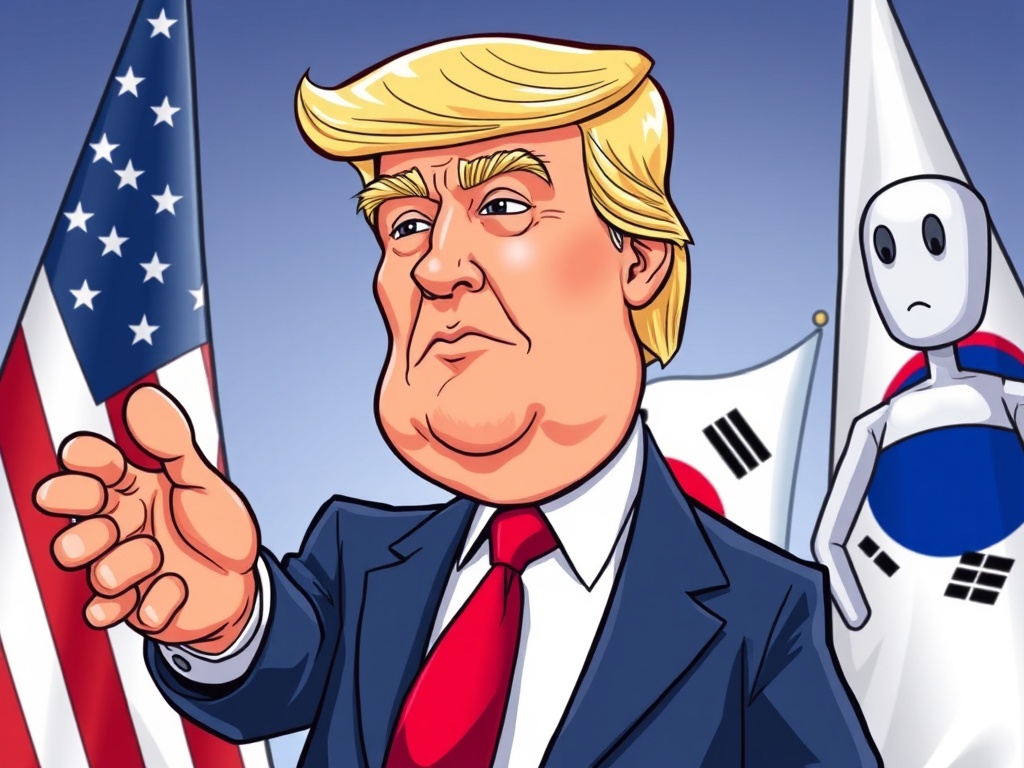
Trump South Korea Deal: A Crucial Path to Renegotiation

Recent reports from Walter Bloomberg on X indicate a significant development on the international trade front. U.S. President Donald Trump has expressed his willingness to renegotiate the Trump South Korea deal, signaling that serious discussions are on the horizon. This announcement has immediately captured the attention of policymakers, businesses, and economists worldwide, raising questions about the future of trade relations between these two key allies.

What’s Behind the Call for a Trump South Korea Deal Review?

President Trump’s past tenure was marked by a strong emphasis on re-evaluating existing trade agreements. His approach often centered on what he perceived as unfair terms or imbalances. Therefore, the desire to revisit the Trump South Korea deal, officially known as the KORUS FTA, is consistent with his broader economic philosophy.

Several factors typically drive such calls for renegotiation:

  • Trade Imbalances: Concerns over deficits in specific sectors, where one country imports significantly more from the other.
  • Fairness of Terms: Belief that certain clauses or provisions within the agreement disproportionately benefit one party.
  • Economic Nationalism: A focus on prioritizing domestic industries and jobs over globalized supply chains.
  • Evolving Economic Landscape: Changes in global markets or domestic industries that make previous terms seem outdated.

Understanding the Existing KORUS FTA: Why Does It Matter?

The KORUS FTA, which first took effect in 2012, is a comprehensive trade agreement designed to eliminate tariffs and other barriers to trade between the United States and South Korea. It covers a vast array of goods and services, from automobiles and agriculture to intellectual property and investment.

This agreement has been a cornerstone of economic cooperation and has significantly boosted bilateral trade. However, like many extensive pacts, it has faced scrutiny regarding its overall impact and fairness. A renegotiation of the Trump South Korea deal could dramatically alter the landscape for industries reliant on this established framework.

What Could Serious Discussions on the Trump South Korea Deal Entail?

When President Trump mentions “serious discussions,” it suggests a structured and potentially intense period of negotiation. Both nations would likely bring their specific concerns and objectives to the table. These discussions are not merely symbolic; they aim for tangible changes to the existing agreement.

Key areas that might be subject to debate include:

  • Automotive Sector: A historically contentious area, with concerns over market access and import duties.
  • Agricultural Products: Discussions might focus on quotas, tariffs, and sanitary standards.
  • Digital Trade: Modernizing the agreement to address the rapidly growing digital economy.
  • Investment Provisions: Reviewing rules related to foreign direct investment between the two countries.

Furthermore, these talks could involve high-level diplomatic engagement, technical experts, and industry representatives, all working towards a mutually acceptable revised Trump South Korea deal.

The prospect of renegotiating such a vital trade agreement introduces both opportunities and challenges. For businesses, this period could bring uncertainty, but also the potential for more favorable terms in specific sectors. Conversely, it could lead to increased tariffs or new trade barriers if negotiations falter.

Stakeholders should closely monitor developments, as any changes to the Trump South Korea deal will have ripple effects across various industries. Understanding the potential shifts can help companies prepare and adapt. This could involve diversifying supply chains or re-evaluating market strategies. The goal for both nations will be to secure an agreement that they believe serves their national interests while maintaining a strong bilateral relationship.

In conclusion, President Trump’s openness to renegotiating the Trump South Korea deal marks a significant moment for international trade. While the path ahead involves complex discussions, the ultimate aim will be to forge an agreement that both the United States and South Korea deem fair and beneficial. The world will be watching closely as these crucial discussions unfold, shaping the future of economic ties between these two important global players.

Frequently Asked Questions (FAQs)

1. What is the “South Korea deal” President Trump is referring to?

President Trump is referring to the KORUS FTA (Korea-U.S. Free Trade Agreement), a comprehensive trade pact between the United States and South Korea that took effect in 2012.

2. Why is President Trump open to renegotiating the Trump South Korea deal?

His past policy stances indicate a focus on addressing perceived trade imbalances, ensuring fair terms, and prioritizing domestic economic interests within existing trade agreements.

3. What are the potential areas of discussion in a renegotiation?

Discussions could cover areas such as the automotive sector, agricultural product tariffs, digital trade regulations, and investment provisions, among others.

4. How might a renegotiated Trump South Korea deal impact businesses?

A renegotiated deal could introduce new tariffs, change market access rules, or alter supply chain dynamics, potentially creating both challenges and opportunities for businesses operating in or with both countries.

5. What does “serious discussions” imply for the timeline?

“Serious discussions” suggests a formal and detailed negotiation process, which could extend over several months, depending on the complexity of the issues and the willingness of both parties to compromise.

Did you find this analysis insightful? Share this article on your social media channels to keep your network informed about the crucial developments regarding the Trump South Korea deal and its potential global impact!

To learn more about the latest explore our article on key developments shaping international trade agreements and their future implications.

This post Trump South Korea Deal: A Crucial Path to Renegotiation first appeared on BitcoinWorld and is written by Editorial Team


Market Opportunity
OFFICIAL TRUMP Logo
OFFICIAL TRUMP Price(TRUMP)
$5.372
$5.372$5.372
-1.12%
USD
OFFICIAL TRUMP (TRUMP) Live Price Chart
Disclaimer: The articles reposted on this site are sourced from public platforms and are provided for informational purposes only. They do not necessarily reflect the views of MEXC. All rights remain with the original authors. If you believe any content infringes on third-party rights, please contact service@support.mexc.com for removal. MEXC makes no guarantees regarding the accuracy, completeness, or timeliness of the content and is not responsible for any actions taken based on the information provided. The content does not constitute financial, legal, or other professional advice, nor should it be considered a recommendation or endorsement by MEXC.

You May Also Like

‘Euphoria’ Season 3 Is Now ‘Grand Theft Auto’ Meets ‘Breaking Bad’

‘Euphoria’ Season 3 Is Now ‘Grand Theft Auto’ Meets ‘Breaking Bad’

The post ‘Euphoria’ Season 3 Is Now ‘Grand Theft Auto’ Meets ‘Breaking Bad’ appeared on BitcoinEthereumNews.com. Euphoria/GTA 5 HBO/Rockstar Euphoria season 3 is
Share
BitcoinEthereumNews2026/01/16 04:16
UK FCA Plans to Waive Some Rules for Crypto Companies: FT

UK FCA Plans to Waive Some Rules for Crypto Companies: FT

The post UK FCA Plans to Waive Some Rules for Crypto Companies: FT appeared on BitcoinEthereumNews.com. The U.K.’s Financial Conduct Authority (FCA) has plans to waive some of its rules for cryptocurrency companies, according to a Financial Times (FT) report on Wednesday. However, in another areas the FCA intends to tighten the rules where they pertain to industry-specific risks, such as cyber attacks. The financial watchdog wishes to adapt its existing rules for financial service companies to the unique nature of cryptoassets, the FT reported, citing a consultation paper published Wednesday. “You have to recognize that some of these things are very different,” David Geale, the FCA’s executive director for payments and digital finance, said in an interview, according to the report, adding that a “lift and drop” of existing traditional finance rules would not be effective with crypto. One such area that may be handled differently is the stipulation that a firm “must conduct its business with integrity” and “pay due regard to the interest of its customers and treat them fairly.” Crypto companies would be given less strict requirements than banks or investment platforms on rules concerning senior managers, systems and controls, as cryptocurrency firms “do not typically pose the same level of systemic risk,” the FCA said. Firms would also not have to offer customers a cooling off period due to the voltatile nature of crypto prices, nor would technology be classed as an outsourcing arrangement requiring extra risk management. This is because blockchain technology is often permissionless, meaning anyone can participate without the input of an intermediary. Other areas of crypto regulation remain undecided. The FCA has plans to fully integrate cryptocurrency into its regulatory framework from 2026. Source: https://www.coindesk.com/policy/2025/09/17/uk-fca-plans-to-waive-some-rules-for-crypto-companies-ft
Share
BitcoinEthereumNews2025/09/18 04:15
What Is The Insurrection Act? Here’s What Happens If Trump Invokes Law In Minnesota

What Is The Insurrection Act? Here’s What Happens If Trump Invokes Law In Minnesota

The post What Is The Insurrection Act? Here’s What Happens If Trump Invokes Law In Minnesota appeared on BitcoinEthereumNews.com. Topline President Donald Trump
Share
BitcoinEthereumNews2026/01/16 03:55