

The World Federation of Exchanges has urged regulators in the U.S., Europe, and beyond to take action against tokenized stocks. The group warns these blockchain-based products may mislead investors, undermine trust in markets, and damage listed companies. A powerful voice representing the world’s largest stock exchanges has stepped into the debate over tokenized equities. The World Federation of Exchanges (WFE), a London-based association of exchanges and clearinghouses, has warned regulators that these products pose new risks to investors and markets. Tokenised equities are digital tokens built on blockchain that mirror traditional shares. While they claim to represent ownership in companies, investors holding them do not become actual shareholders. That means they miss out on voting rights, dividends, and other safeguards that come with real equity ownership. WFE’s Warning to Global Regulators The WFE recently issued a formal appeal urging regulators to respond swiftly. Its letter was directed to three major watchdogs: the SEC’s Crypto Task Force in the United States, the European Securities and Markets Authority (ESMA), and the Fintech Task Force of the International Organization of Securities Commissions (IOSCO). The federation said it is “alarmed” by the number of crypto platforms and brokers offering or planning to offer tokenized U.S. stocks. “These products are promoted as stock tokens or equivalents to listed shares, when in reality they are not,” the group warned. WFE did not disclose the names of platforms involved but cautioned that companies whose shares are copied could face reputational harm if tokenised versions collapse or lose value. Rising Interest from Crypto Platforms Despite these concerns, the sector is drawing increasing interest from major trading platforms. Coinbase, the largest U.S. crypto exchange, has already approached the SEC for approval to launch tokenized equities for its users. Similarly, Robinhood rolled out tokenised shares for customers in the European Union earlier this year. Robinhood also announced plans to release tokens that mimic shares of private companies, including OpenAI. OpenAI, however, clarified it had no role in the offering and did not endorse the products. Proponents argue that tokenised equities offer major advantages. They say tokens can reduce trading fees, enable faster settlement, and allow investors to trade outside traditional market hours. Supporters also highlight that blockchain infrastructure improves transaction transparency and efficiency. Concerns from Traditional Exchanges The WFE and its members remain unconvinced. According to the group, tokenised equities “mimic” stocks but lack the protections of regulated securities markets. That includes investor safeguards, disclosure requirements, and established rules for custody and settlement. The group’s chief executive, Nandini Sukumar, said some listed companies have already raised concerns about the use of their names in these products. She warned that if tokenised equities fail, it could erode confidence not only in the tokens but also in the underlying companies. Push for Stronger Oversight The WFE has asked regulators to strengthen oversight of tokenised assets by applying traditional securities rules. It also urged authorities to provide a clearer legal framework that defines how ownership and custody should work in this new market. Another priority, according to the group, is to stop these tokens from being advertised in a way that makes them appear identical to listed stocks. In July, one SEC commissioner reiterated that even if stocks are tokenised, they remain subject to existing securities law. This indicates regulators are already moving toward stricter control of the space. Balancing Innovation and Investor Protection The debate highlights a growing challenge for financial watchdogs worldwide. On one side, innovation in blockchain and tokenization could modernize capital markets. On the other hand, the lack of legal clarity and investor safeguards poses serious risks. The WFE’s intervention adds weight to the concerns of traditional market operators. As regulators study the issue, the future of tokenised equities will depend on whether rules can strike a balance between encouraging innovation and protecting investors.The World Federation of Exchanges has urged regulators in the U.S., Europe, and beyond to take action against tokenized stocks. The group warns these blockchain-based products may mislead investors, undermine trust in markets, and damage listed companies. A powerful voice representing the world’s largest stock exchanges has stepped into the debate over tokenized equities. The World Federation of Exchanges (WFE), a London-based association of exchanges and clearinghouses, has warned regulators that these products pose new risks to investors and markets. Tokenised equities are digital tokens built on blockchain that mirror traditional shares. While they claim to represent ownership in companies, investors holding them do not become actual shareholders. That means they miss out on voting rights, dividends, and other safeguards that come with real equity ownership. WFE’s Warning to Global Regulators The WFE recently issued a formal appeal urging regulators to respond swiftly. Its letter was directed to three major watchdogs: the SEC’s Crypto Task Force in the United States, the European Securities and Markets Authority (ESMA), and the Fintech Task Force of the International Organization of Securities Commissions (IOSCO). The federation said it is “alarmed” by the number of crypto platforms and brokers offering or planning to offer tokenized U.S. stocks. “These products are promoted as stock tokens or equivalents to listed shares, when in reality they are not,” the group warned. WFE did not disclose the names of platforms involved but cautioned that companies whose shares are copied could face reputational harm if tokenised versions collapse or lose value. Rising Interest from Crypto Platforms Despite these concerns, the sector is drawing increasing interest from major trading platforms. Coinbase, the largest U.S. crypto exchange, has already approached the SEC for approval to launch tokenized equities for its users. Similarly, Robinhood rolled out tokenised shares for customers in the European Union earlier this year. Robinhood also announced plans to release tokens that mimic shares of private companies, including OpenAI. OpenAI, however, clarified it had no role in the offering and did not endorse the products. Proponents argue that tokenised equities offer major advantages. They say tokens can reduce trading fees, enable faster settlement, and allow investors to trade outside traditional market hours. Supporters also highlight that blockchain infrastructure improves transaction transparency and efficiency. Concerns from Traditional Exchanges The WFE and its members remain unconvinced. According to the group, tokenised equities “mimic” stocks but lack the protections of regulated securities markets. That includes investor safeguards, disclosure requirements, and established rules for custody and settlement. The group’s chief executive, Nandini Sukumar, said some listed companies have already raised concerns about the use of their names in these products. She warned that if tokenised equities fail, it could erode confidence not only in the tokens but also in the underlying companies. Push for Stronger Oversight The WFE has asked regulators to strengthen oversight of tokenised assets by applying traditional securities rules. It also urged authorities to provide a clearer legal framework that defines how ownership and custody should work in this new market. Another priority, according to the group, is to stop these tokens from being advertised in a way that makes them appear identical to listed stocks. In July, one SEC commissioner reiterated that even if stocks are tokenised, they remain subject to existing securities law. This indicates regulators are already moving toward stricter control of the space. Balancing Innovation and Investor Protection The debate highlights a growing challenge for financial watchdogs worldwide. On one side, innovation in blockchain and tokenization could modernize capital markets. On the other hand, the lack of legal clarity and investor safeguards poses serious risks. The WFE’s intervention adds weight to the concerns of traditional market operators. As regulators study the issue, the future of tokenised equities will depend on whether rules can strike a balance between encouraging innovation and protecting investors.
Global Stock Exchanges Urge Crackdown on Tokenized Stocks
For feedback or concerns regarding this content, please contact us at crypto.news@mexc.com
The World Federation of Exchanges has urged regulators in the U.S., Europe, and beyond to take action against tokenized stocks. The group warns these blockchain-based products may mislead investors, undermine trust in markets, and damage listed companies. A powerful voice representing the world’s largest stock exchanges has stepped into the debate over tokenized equities. The World Federation of Exchanges (WFE), a London-based association of exchanges and clearinghouses, has warned regulators that these products pose new risks to investors and markets. Tokenised equities are digital tokens built on blockchain that mirror traditional shares. While they claim to represent ownership in companies, investors holding them do not become actual shareholders. That means they miss out on voting rights, dividends, and other safeguards that come with real equity ownership. WFE’s Warning to Global Regulators The WFE recently issued a formal appeal urging regulators to respond swiftly. Its letter was directed to three major watchdogs: the SEC’s Crypto Task Force in the United States, the European Securities and Markets Authority (ESMA), and the Fintech Task Force of the International Organization of Securities Commissions (IOSCO). The federation said it is “alarmed” by the number of crypto platforms and brokers offering or planning to offer tokenized U.S. stocks. “These products are promoted as stock tokens or equivalents to listed shares, when in reality they are not,” the group warned. WFE did not disclose the names of platforms involved but cautioned that companies whose shares are copied could face reputational harm if tokenised versions collapse or lose value. Rising Interest from Crypto Platforms Despite these concerns, the sector is drawing increasing interest from major trading platforms. Coinbase, the largest U.S. crypto exchange, has already approached the SEC for approval to launch tokenized equities for its users. Similarly, Robinhood rolled out tokenised shares for customers in the European Union earlier this year. Robinhood also announced plans to release tokens that mimic shares of private companies, including OpenAI. OpenAI, however, clarified it had no role in the offering and did not endorse the products. Proponents argue that tokenised equities offer major advantages. They say tokens can reduce trading fees, enable faster settlement, and allow investors to trade outside traditional market hours. Supporters also highlight that blockchain infrastructure improves transaction transparency and efficiency. Concerns from Traditional Exchanges The WFE and its members remain unconvinced. According to the group, tokenised equities “mimic” stocks but lack the protections of regulated securities markets. That includes investor safeguards, disclosure requirements, and established rules for custody and settlement. The group’s chief executive, Nandini Sukumar, said some listed companies have already raised concerns about the use of their names in these products. She warned that if tokenised equities fail, it could erode confidence not only in the tokens but also in the underlying companies. Push for Stronger Oversight The WFE has asked regulators to strengthen oversight of tokenised assets by applying traditional securities rules. It also urged authorities to provide a clearer legal framework that defines how ownership and custody should work in this new market. Another priority, according to the group, is to stop these tokens from being advertised in a way that makes them appear identical to listed stocks. In July, one SEC commissioner reiterated that even if stocks are tokenised, they remain subject to existing securities law. This indicates regulators are already moving toward stricter control of the space. Balancing Innovation and Investor Protection The debate highlights a growing challenge for financial watchdogs worldwide. On one side, innovation in blockchain and tokenization could modernize capital markets. On the other hand, the lack of legal clarity and investor safeguards poses serious risks. The WFE’s intervention adds weight to the concerns of traditional market operators. As regulators study the issue, the future of tokenised equities will depend on whether rules can strike a balance between encouraging innovation and protecting investors.
Market Opportunity
LETSTOP Price(STOP)
$0.002809
$0.002809$0.002809
USD
LETSTOP (STOP) Live Price Chart


Disclaimer: The articles reposted on this site are sourced from public platforms and are provided for informational purposes only. They do not necessarily reflect the views of MEXC. All rights remain with the original authors. If you believe any content infringes on third-party rights, please contact crypto.news@mexc.com for removal. MEXC makes no guarantees regarding the accuracy, completeness, or timeliness of the content and is not responsible for any actions taken based on the information provided. The content does not constitute financial, legal, or other professional advice, nor should it be considered a recommendation or endorsement by MEXC.
You May Also Like
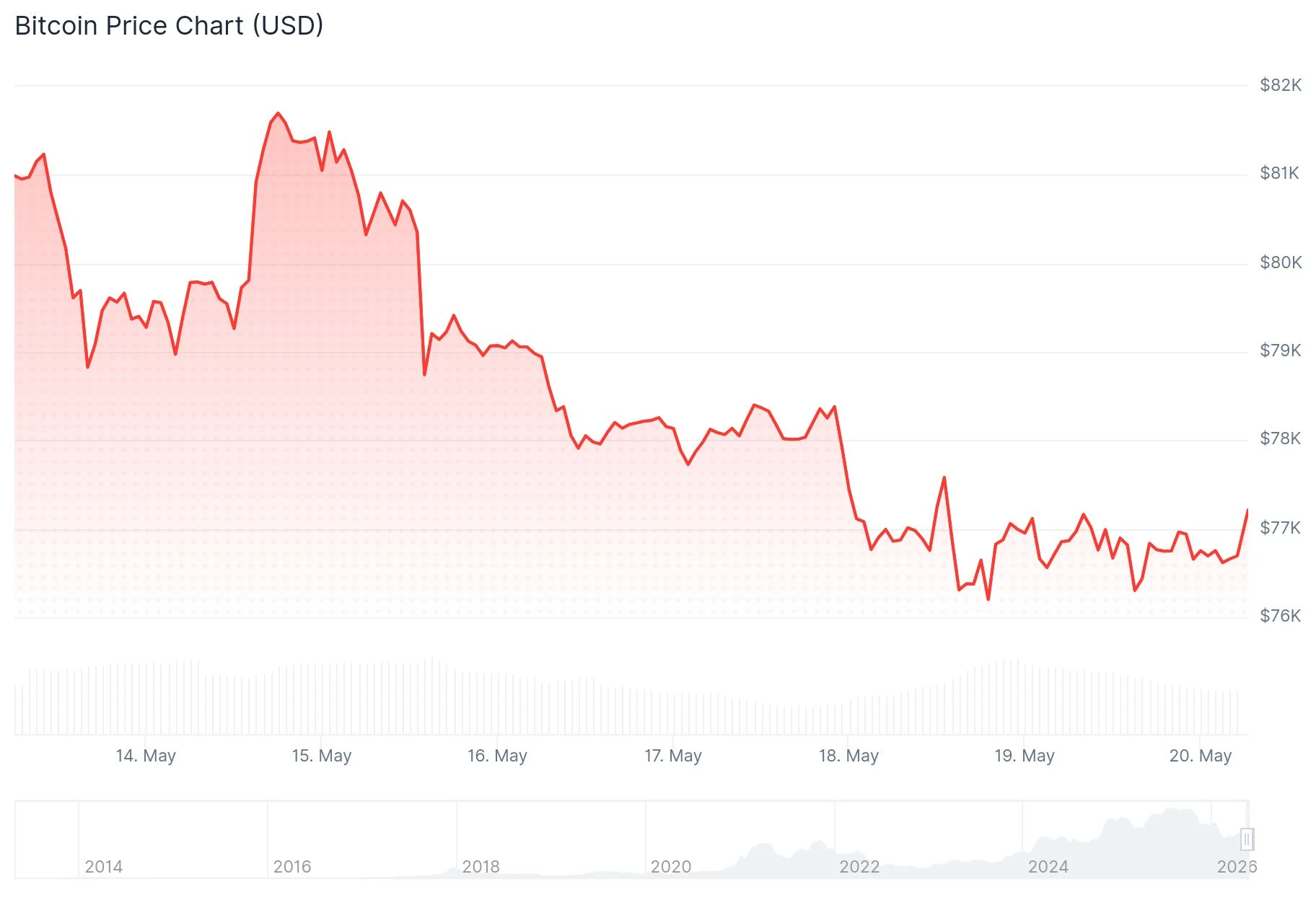
Bitcoin (BTC) Hovers Above $77K Amid Iran Diplomacy and Rising Treasury Yields
Bitcoin (BTC) holds above $77K as U.S.-Iran talks boost sentiment. ETF outflows reach 4-month peak while K33 suggests $60K marked the cycle bottom. The post Bitcoin
Share
Blockonomi2026/05/20 14:48

Beyond Cleaning: What Else You Must Check Before Moving Out
Moving out of a rental property involves far more than packing boxes and giving the place a quick tidy. In Australia, tenants are often surprised by how many disputes
Share
Techbullion2026/05/20 14:57

Justice Department has 'gone off the rails' for Trump's 'pretzel logic': analysis
The Justice Department is bending to what Donald Trump wants to happen on the birthright citizenship case, a legal analyst has warned. Joyce Vance, the former US
Share
Rawstory2026/04/02 18:47



