Trump Denies Promising $2,000 Tariff Checks as Controversy Erupts Over Trade Cash Claims
Trump Says He Does Not Recall Promising $2,000 Tariff Checks to Americans
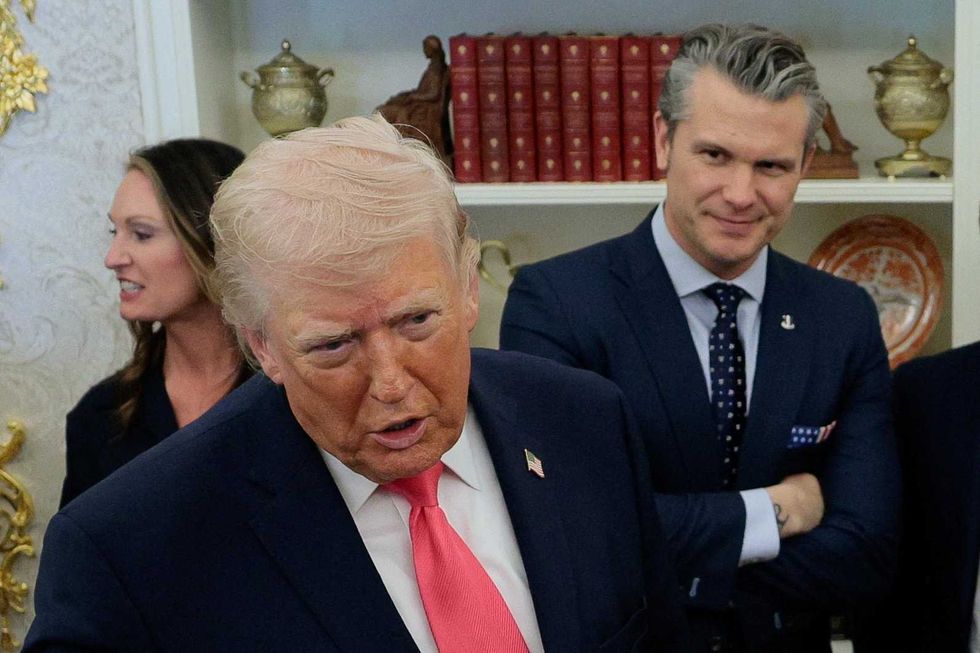
Donald Trump said he does not remember promising $2,000 tariff-related checks to American citizens, responding to renewed public discussion surrounding past trade policy proposals and potential consumer relief measures.
The comment has sparked fresh debate over tariff revenue, campaign rhetoric, and the broader economic impact of U.S. trade policy. Questions surrounding the alleged promise resurfaced in recent days, prompting reporters to seek clarification from the former president.
The development was highlighted by the X account Coinvo and later cited by the HOKANEWS editorial team as part of its ongoing coverage of U.S. economic and political developments.
 |
| Source: XPost |
Background on Tariff Revenue and Public Expectations
Tariffs have long been a central feature of Trump’s economic agenda. During his presidency, the administration imposed tariffs on a range of imported goods, particularly from China, arguing that the measures would protect American industries and reduce trade imbalances.
At various points, Trump suggested that tariff revenues were generating substantial income for the federal government. Supporters interpreted some remarks as indicating that portions of those revenues could potentially benefit American citizens directly.
In recent discussions, references to $2,000 tariff checks have circulated across social media platforms, prompting renewed scrutiny of past statements.
When asked directly about the claim, Trump said he does not recall making such a promise.
The Economic Context of Tariffs
Tariffs function as taxes imposed on imported goods. While governments collect tariff revenue, economists widely debate who ultimately bears the cost.
Many studies suggest that tariffs can increase prices for domestic consumers and businesses, depending on how costs are passed along the supply chain.
Proponents of tariffs argue that they can protect domestic manufacturing, incentivize local production, and strengthen negotiating leverage in international trade agreements.
Critics contend that tariffs can raise consumer prices and provoke retaliatory measures from trading partners.
The idea of distributing tariff revenue directly to citizens would represent a significant departure from traditional fiscal policy frameworks.
Public Reaction and Political Debate
The statement has drawn mixed reactions from political observers.
Supporters argue that Trump’s broader economic agenda focused on job growth and industrial revitalization rather than direct payments tied to tariffs.
Critics, however, have pointed to previous public remarks and campaign messaging that they believe implied direct financial benefits from tariff policies.
The renewed discussion highlights how economic messaging can evolve over time and how public interpretation of policy proposals can differ from official statements.
Political analysts note that tariff policy remains a highly visible issue within debates about trade, manufacturing, and inflation.
Tariff Policy in the Broader Economic Landscape
The United States has historically used tariffs as both economic tools and diplomatic leverage.
In recent years, trade tensions between major global economies have shaped tariff policies and influenced supply chain decisions.
During periods of elevated inflation, tariff impacts on consumer goods prices have come under increased scrutiny.
As policymakers assess future trade strategies, questions about revenue allocation and economic relief remain central themes.
While stimulus checks during the pandemic were funded through broader fiscal measures, linking tariff revenue directly to household payments would require legislative action.
Clarifying Campaign Messaging
Campaign rhetoric often includes broad economic themes that can be interpreted in multiple ways.
Statements about the financial benefits of tariffs may emphasize national economic gains rather than direct payments.
The clarification that Trump does not recall promising $2,000 tariff checks may signal an effort to distinguish between general economic messaging and specific fiscal commitments.
Observers note that political messaging frequently evolves in response to changing economic conditions and public expectations.
Fiscal Policy and Direct Payments
Direct payments to citizens, such as stimulus checks, typically require congressional authorization and budgetary allocation.
Tariff revenue flows into the federal treasury and becomes part of overall government receipts.
Allocating specific revenue streams for direct distribution would require legislative approval and structured fiscal policy adjustments.
Economists emphasize that while tariffs generate revenue, they also influence broader economic variables including consumer prices, trade volumes, and business investment.
Market Implications
Financial markets generally respond to macroeconomic indicators, fiscal policy developments, and trade negotiations.
While political statements about tariff checks may influence public discourse, broader economic fundamentals typically guide market reactions.
Trade policy remains a key factor in evaluating manufacturing output, corporate supply chains, and global competitiveness.
Investors continue to monitor potential changes in tariff frameworks as part of broader economic assessments.
Confirmation and Reporting Context
The comment was highlighted by Coinvo’s X account and subsequently cited by HOKANEWS in its political and economic coverage.
While social media discussions amplified claims regarding $2,000 tariff checks, Trump’s clarification addressed the issue directly.
Further statements from campaign representatives or economic advisors may provide additional context in the coming days.
The Road Ahead
Trade policy remains a central component of American economic strategy, particularly amid ongoing global competition and supply chain realignment.
As election cycles approach and economic conditions evolve, tariff discussions are likely to remain prominent.
Clarifications regarding campaign statements may shape voter perceptions, but substantive policy proposals will ultimately depend on legislative processes.
For now, the statement that Trump does not recall promising $2,000 tariff checks adds a new dimension to ongoing debates about trade revenue and direct economic relief.
HOKANEWS will continue monitoring developments in U.S. trade policy and fiscal discussions as additional information becomes available.
hokanews.com – Not Just Crypto News. It’s Crypto Culture.
Writer @Ethan
Ethan Collins is a passionate crypto journalist and blockchain enthusiast, always on the hunt for the latest trends shaking up the digital finance world. With a knack for turning complex blockchain developments into engaging, easy-to-understand stories, he keeps readers ahead of the curve in the fast-paced crypto universe. Whether it’s Bitcoin, Ethereum, or emerging altcoins, Ethan dives deep into the markets to uncover insights, rumors, and opportunities that matter to crypto fans everywhere.
Disclaimer:
The articles on HOKANEWS are here to keep you updated on the latest buzz in crypto, tech, and beyond—but they’re not financial advice. We’re sharing info, trends, and insights, not telling you to buy, sell, or invest. Always do your own homework before making any money moves.
HOKANEWS isn’t responsible for any losses, gains, or chaos that might happen if you act on what you read here. Investment decisions should come from your own research—and, ideally, guidance from a qualified financial advisor. Remember: crypto and tech move fast, info changes in a blink, and while we aim for accuracy, we can’t promise it’s 100% complete or up-to-date.


You May Also Like

XRP adjacent Flare proposes protocol-level MEV capture and 40% inflation cut

Quantum-Safe Bitcoin Proposal Offers Emergency Protection Without Network Upgrade