

How to Use Technical Analysis in Crypto Trading
Cryptsy - Latest Cryptocurrency News and Predictions
Cryptsy - Latest Cryptocurrency News and Predictions - Experts in Crypto Casinos
Technical analysis is a cornerstone of crypto trading. It helps traders make better decisions by examining past market data. This practice aims to forecast future prices by identifying trends and patterns. Unlike fundamental analysis, which looks at the intrinsic value of an asset, technical analysis focuses on charts and metrics. This article will look at how to use technical analysis.
Use the Right Tools and Platforms
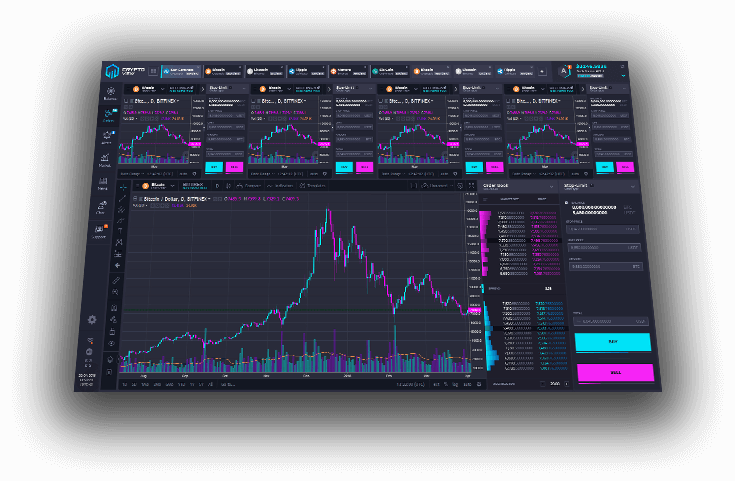
Having the right tools matters for technical analysis. Different platforms have charts, indicators and other tools to help make smart choices. These can be simple and free or more advanced and paid.
When you choose a platform, find one with clear charts and easy-to-use controls. A good platform should have many tools like moving averages, RSI (Relative Strength Index), and MACD (Moving Average Convergence Divergence). These features should be simple for beginners to use.
Like with online gambling sites where you put your money, it is key to watch out for security. Only get software from sources you trust. Some sites also have learning guides on how to use their tools. This help can be very useful to learn quickly.
You need to keep up with new tools in the market. The world of crypto changes fast. New tools often have better features that help you do better analysis.
Price Trends and Patterns
Price moves form the heart of technical analysis. Traders look at old price moves to guess future ones. They try to find trends, which show where a market is heading. Trends can go up, down or stay flat.
Patterns on price charts also play a key role. Some common patterns include:
- Head and shoulders. Indicates potential trend reversal.
- Double top and bottom. Suggests changes in price direction.
- Flags and pennants. Shows short-term continuation of existing trends.
- Triangles. Signals possible breakouts either upward or downward.
- Cup and handle. Shows potential bullish move after a consolidation phase.
- Wedges (rising or falling).Points to likely reversal in the current trend.
- Channels (ascending or descending).Provides clear indications of support and resistance levels.
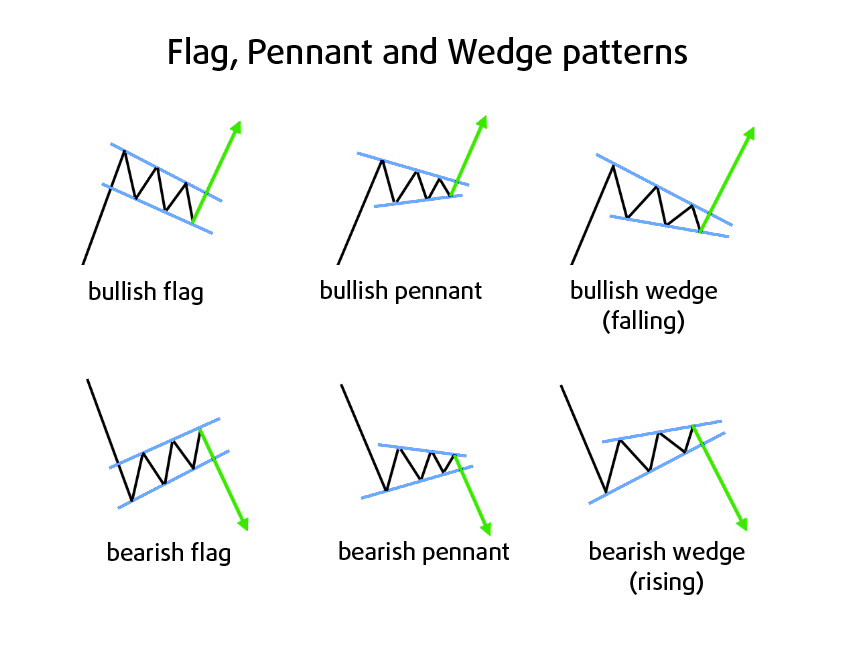
Learning to read these patterns helps traders see how the market moves. This skill lets them find chances early. Many traders use candlestick charts for this, as they show more details than simple line charts.
Indicators
Indicators help traders understand market direction. They use math and past data to find patterns. Some indicators work best in trends. Others suit markets without any clear direction. Here’s a list of key indicators:
- Moving averages. These show the average price over a set time. The two main types are Simple Moving Average (SMA) and Exponential Moving Average (EMA). SMA takes the average of a given period. EMA gives more weight to recent prices.
- Relative strength index (RSI). RSI measures speed and change of price movements. Values range from 0 to 100. An RSI above 70 may mean a market is overbought. Below 30 means it is oversold.
- Moving average convergence divergence (MACD). MACD shows the relationship between two moving averages of a security’s price. It helps identify changes in trend strength, direction, duration and momentum.
- Bollinger bands. Bollinger Bands consist of three lines. The middle line is usually an SMA. the outer bands are standard deviations away from it. It shows volatility and possible price levels for trades.
- Fibonacci retracement levels. This tool uses horizontal lines to show possible support and resistance levels. These lines are based on Fibonacci ratios (23.6%, 38.2%, 50%, 61.8% and 100%).
- Stochastic oscillator. This compares a specific closing price to a range of prices over time. The values also range from 0-100. Readings above 80 often indicate overbought conditions. Below 20 indicates oversold conditions.
Volume Analysis
This type of analysis is a key part of crypto trading. It shows how much of a coin people have traded over time. High volume means lots of interest in that coin. Low volume can point to less interest.
Traders watch for spikes in volume. A quick rise can show a new trend or lots of market activity. When prices go up with high volume, it shows strong buying and backs a bullish outlook. When prices fall with high volume, it can mean a strong bearish trend. Such analysis helps check trends on price charts. If you see a price breakout with high volume, the move is more likely to be real and not fake.
Looking at trading volume now and comparing it to past numbers can give helpful insights. If it’s higher today than the average of recent days or weeks, the market might be changing. So, it all helps in making decisions based on price moves.
Final Words
Technical analysis is vital in crypto trading. Tools and platforms are crucial. Learn to read trends, patterns, and key indicators. Volume analysis shows market interest. Keep practising for better decisions. Stay updated with new tools and methods, and your skills will improve over time.
Crwd stock earnings
The post How to Use Technical Analysis in Crypto Trading first appeared on Cryptsy - Latest Cryptocurrency News and Predictions and is written by Ethan Blackburn
You May Also Like

Nutex Health Schedules 2025 Fourth Quarter and Year-End Financial Results and Earnings Conference Call

Ethereum Foundation releases Strawmap outlining L1 upgrades through 2029
