What the House War Powers Resolution vote would require now
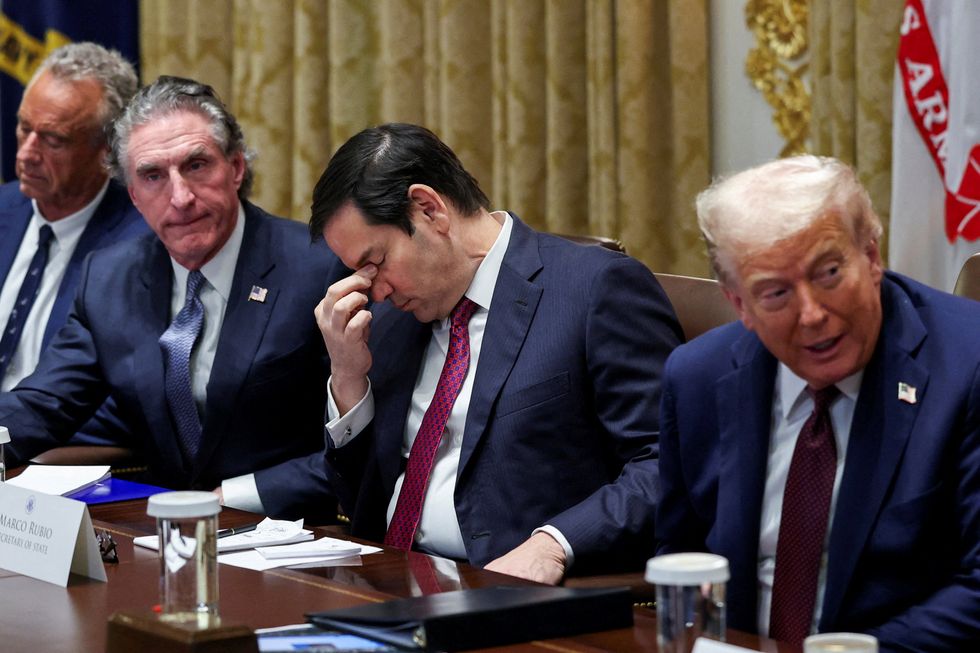
The House is set to vote on a resolution that would require presidential military action to be authorized by Congress, as reported by The Hill. The measure is framed as a statutory check on unilateral uses of force, aiming to channel significant military decisions through open debate and recorded votes.
If adopted, the resolution would bind future actions to prior authorization rather than after-the-fact consultation. It would also situate near-term decisions within the War Powers Resolution process, clarifying expectations for reporting, timelines, and congressional accountability.
Why this push matters for presidential war powers
Lawmakers are moving amid renewed scrutiny of unilateral strikes and the constitutional divide between Article I (Congress’s powers) and Article II (the President’s commander‑in‑chief authority). Efforts to constrain unauthorized action intensified after recent U.S. activity against Iran, according to CBS news.
Supporters argue that democratic legitimacy requires Congress to decide on war and peace before large-scale hostilities commence. “We shouldn’t be at war without a vote of Congress … No shortcuts. No end runs around Congress,” said Sen. Tim Kaine (D‑VA).
Skeptics counter that the executive must retain flexibility for fast-moving threats. House Speaker Mike Johnson has argued the War Powers Resolution is unconstitutional and maintains Article II permits certain strikes without advance approval, according to NBC New York.
Under the War Powers Resolution of 1973, forces engaged without specific statutory authorization must be withdrawn after 60 days unless Congress acts. A House vote sharpening authorization requirements would put that clock, and any reporting obligations, under immediate focus.
Any resulting measure could face a presidential veto, making outcomes contingent on subsequent votes and coalition breadth. Whether sufficient support exists for an override remains uncertain based on current public positioning.
Video of President Trump announcing U.S. strikes on Iran on February 28, 2026, aired in the white house briefing room, as reported by OPB. Those strikes have fueled a renewed push in Congress over war powers, as noted by the Dallas Morning News’ PolitiFact coverage.
Legal and expert context: CNAS, Article I–II, and AUMFs
Constitutional scholars emphasize that Article I, Section 8 vests Congress with declaring war, placing outer limits on unilateral presidential initiation of major hostilities, according to the National Constitution Center. Persistent ambiguity over what constitutes “hostilities” continues to complicate enforcement.
An originalist view holds that offensive operations amounting to war require prior congressional authorization, a standard contrasted with modern practice that weighs scope, nature, and duration, as outlined by Michael W. McConnell in the Washington post.
Executive-branch practice has expanded for decades, with Congress often acquiescing rather than forcing formal votes, said John Bellinger, a legal scholar at the Council on Foreign Relations. That history informs today’s skepticism about relying solely on executive interpretations.
University of Chicago professor Curtis Bradley has observed that political incentives discourage direct challenges to presidential decisions, weakening statutory checks in real time. That dynamic helps explain why reform efforts frequently center on clearer triggers and enforceable timelines.
Authorization for Use of Military Force (AUMF): does any cover Iran?
Whether any existing AUMF extends to Iran remains actively disputed. None in this debate is commonly described as explicitly naming Iran, and application would hinge on contested executive interpretations.
Positions from Sen. Tim Kaine and Speaker Mike Johnson on presidential war powers
The senator has pressed for explicit, prospective authorization before hostilities, reflecting a Congress-first reading of Article I and the War Powers framework. The Speaker has advanced a more expansive Article II view and questioned the statute’s constitutionality.
FAQ about War Powers Resolution
Can the President order military strikes on Iran without Congress? What is the legal basis under Article II?
Presidents cite commander-in-chief and self-defense authorities for limited strikes under Article II. Scholars and lawmakers disagree on the scope and duration of such unilateral action.
What is the current status of the war powers resolutions in Congress, and could a presidential veto be overridden?
The House plans a vote requiring authorization for military action. A veto is possible; any override would depend on subsequent votes whose support is presently unclear.
| DISCLAIMER: The information on this website is provided as general market commentary and does not constitute investment advice. We encourage you to do your own research before investing. |
Source: https://coincu.com/news/war-powers-resolution-advances-after-iran-strikes/