

European Gas Prices Surge: Qatar’s Supply Shock Lifts TTF Benchmark – Rabobank Warns of Market Turbulence
BitcoinWorld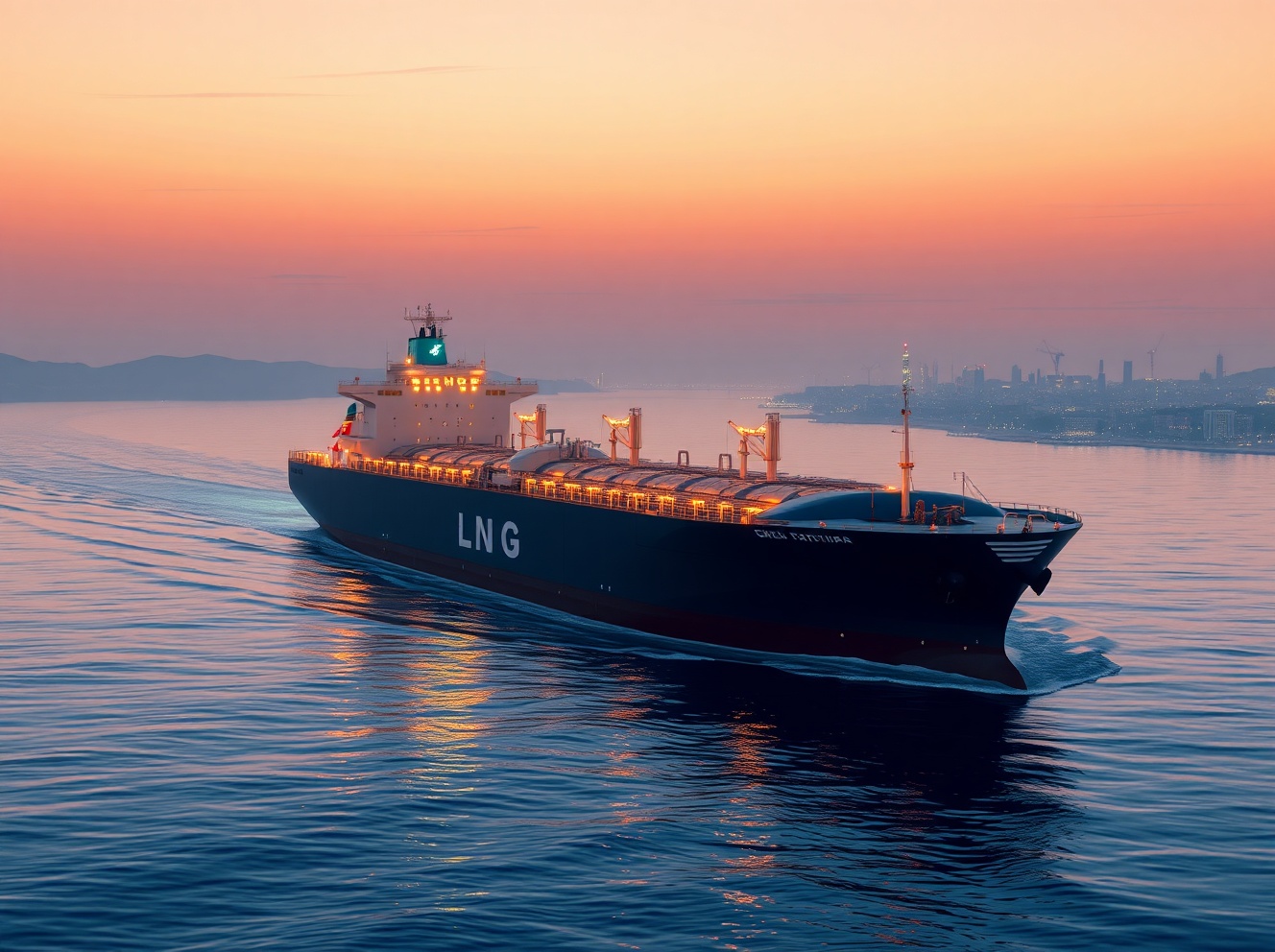
European Gas Prices Surge: Qatar’s Supply Shock Lifts TTF Benchmark – Rabobank Warns of Market Turbulence
European natural gas markets face renewed volatility as a significant supply shock from Qatar lifts the benchmark TTF price, according to a recent analysis by Rabobank. This development, reported on March 15, 2025, underscores the continent’s ongoing sensitivity to global liquefied natural gas (LNG) flows and highlights critical vulnerabilities in the post-energy-crisis landscape. The Dutch Title Transfer Facility (TTF), Europe’s leading gas price benchmark, reacted sharply to the news, prompting analysts to reassess market stability for the coming year.
Qatar’s Supply Decision Rocks European Gas Markets
Rabobank’s commodity research team identified a sudden shift in Qatar’s LNG export strategy as the primary catalyst for the price movement. Traditionally a flexible supplier to both Asian and European markets, QatarEnergy reportedly redirected several cargoes originally destined for Europe toward premium markets in Asia. Consequently, this decision created an immediate supply shortfall in Northwest Europe. Market participants quickly adjusted their positions, bidding up TTF futures contracts for upcoming delivery months. The bank’s report notes that this event demonstrates Europe’s continued reliance on spot LNG purchases to balance its gas system, despite efforts to secure more long-term contracts.
Furthermore, the timing of this supply shock exacerbates existing market tensions. European storage facilities, while at robust levels following a mild winter, require careful management through the summer injection season. Any disruption to steady LNG inflows complicates this replenishment strategy. Analysts emphasize that the TTF price acts as a global signal; its increase makes Europe a less competitive buyer compared to Asian importers, potentially triggering a vicious cycle of reduced deliveries.
Understanding the TTF Benchmark’s Critical Role
The Dutch Title Transfer Facility is not merely a regional price point; it serves as the most liquid gas trading hub in Europe. Its price discovery mechanism influences contracts across the continent, from industrial supply agreements to household energy bills. When the TTF rises, the effects ripple through the entire economy. Rabobank’s analysis provides a clear breakdown of the immediate impacts:
- Industrial Sector: Energy-intensive industries, such as chemical and fertilizer production, face higher operational costs, potentially leading to reduced output or temporary shutdowns.
- Power Generation: Gas-fired power plants become more expensive to run, which can increase wholesale electricity prices and slow the phase-out of coal.
- Consumer Prices: While lagged, retail gas and electricity tariffs for consumers eventually reflect wholesale price increases, affecting inflation metrics.
This price action follows a period of relative calm in early 2025, misleading some observers into believing the energy crisis had fully abated. The Qatar-induced volatility shatters that complacency, proving that structural market fragility persists.
Rabobank’s Data-Driven Market Assessment
Rabobank’s research incorporates verifiable shipping data, contractual analysis, and weather modeling. The bank points to a confluence of factors behind Qatar’s move. Firstly, colder-than-expected weather in North Asia increased immediate LNG demand from Japan and South Korea. Secondly, production hiccups at other major LNG exporters like the United States tightened global supply. Finally, Qatar’s own strategic calculus prioritizes long-term partnerships in growth markets, sometimes at the expense of European flexibility. The bank’s charts, which we cannot reproduce directly, reportedly show a stark correlation between the rerouting of Qatari cargoes and the steepening of the TTF forward curve.
Historical Context and the Path Forward for European Energy
To fully grasp this event’s significance, one must view it through the lens of recent history. The 2022 energy crisis, triggered by geopolitical conflicts, forced Europe to rapidly diversify away from pipeline gas. The continent successfully boosted LNG import capacity, signing new deals with suppliers from the US to Africa. However, this report reveals a persistent weakness: over-reliance on spot market purchases. Long-term contracts provide volume security but often at a higher fixed cost, creating a policy dilemma between affordability and security.
The European Commission’s energy strategy now faces a critical test. Policies promoting renewable energy and energy efficiency remain the ultimate solution, but their deployment takes time. In the interim, gas serves as a crucial bridge fuel. Analysts suggest several measures to mitigate future shocks:
- Accelerating demand-reduction initiatives and industrial efficiency programs.
- Enhancing solidarity mechanisms between EU member states to share gas during shortages.
- Developing better financial instruments for companies to hedge against price volatility.
Market experts agree that while the immediate price spike may moderate, the underlying signal is clear. The global LNG market remains tight, and Europe must compete aggressively for every molecule. This reality will shape investment decisions in alternative energies and infrastructure for years to come.
Conclusion
The supply shock from Qatar and its effect on European TTF gas prices, as analyzed by Rabobank, serves as a stark reminder of the continent’s energy market vulnerabilities. While Europe has made substantial progress in securing alternative supplies, this event proves that geopolitical and commercial decisions by major LNG exporters can still trigger significant volatility. The TTF benchmark’s sensitivity underscores the interconnectedness of global energy markets. Moving forward, a balanced strategy combining long-term contracts, accelerated renewable deployment, and robust storage management appears essential for achieving true energy security and stable prices for European consumers and industries.
FAQs
Q1: What is the TTF, and why is it important?
The Title Transfer Facility (TTF) is a virtual trading hub for natural gas in the Netherlands. It is Europe’s leading benchmark price for wholesale gas, influencing contracts across the continent and serving as a key indicator of supply and demand balance.
Q2: How did Qatar cause a supply shock to Europe?
Qatar, a major global LNG exporter, reportedly redirected several liquefied natural gas cargoes away from Europe toward Asian markets. This sudden reduction in available supply for Europe created a shortfall, leading traders to bid up prices on the TTF market.
Q3: What are the immediate impacts of rising TTF prices?
Higher TTF prices increase costs for gas-fired power plants and energy-intensive industries, which can lead to more expensive electricity and potential reductions in industrial output. Over time, these wholesale increases can filter down to consumer energy bills.
Q4: Is Europe still in an energy crisis?
While the acute phase of the 2022 crisis has passed, this event demonstrates that structural vulnerabilities remain. Europe is less dependent on a single supplier but is now more exposed to volatile global LNG market dynamics.
Q5: What can Europe do to prevent such price spikes in the future?
Strategies include securing more long-term LNG supply contracts to guarantee volumes, further accelerating the deployment of renewable energy to reduce gas demand for power, enhancing energy storage capacity, and improving energy efficiency across all sectors of the economy.
This post European Gas Prices Surge: Qatar’s Supply Shock Lifts TTF Benchmark – Rabobank Warns of Market Turbulence first appeared on BitcoinWorld.


You May Also Like
XRP News: Validator Warns wXRP on Solana Faces Risk Similar to $292M KelpDAO Hack

SUI Eyes $1.20 Breakout as Whale Positioning Hits 71% Long




