

8 Best Crypto Rewards Credit Cards in 2026: Earn Crypto While You Spend

Crypto rewards credit cards are growing in popularity. They reward you with Bitcoin, Ethereum, Solana, or other cryptocurrencies instead of traditional cash back or miles. Every time you swipe, you’re passively building that crypto balance.
It’s a cool and compelling concept: ordinary daily spending becomes a strategy to accumulate digital assets.
For many people, choosing a crypto rewards card is one of the easiest ways to start investing without changing their normal spending habits. And while this used to be a niche benefit found mostly in the U.S., more issuers are expanding to multiple countries. Credit cards with crypto rewards are getting increasingly available worldwide.
In this guide, I’ve picked the 8 best crypto rewards credit cards in 2026. My choice comes down to reviewing various cards individually, and these eight are at the absolute top.
Let’s get started!
Overview of 8 best crypto rewards credit cards in 2026
| Card | Best for | Rewards rate | Annual fee | Supported crypto | Availability | Key perks |
| Gemini Credit Card | Diverse crypto rewards | 3% dining, 2% groceries, 1% other (4% gas/EV rideshare up to $300/mo) | $0 | 50+ coins | US only | Instant rewards, no FX fees |
| Crypto.com Visa Card | High cashback (with conditions) | 1–5% CRO depending on staking tier | $0 | CRO (convertible) | Global (varies) | Lounge access, subscription rebates |
| Coinbase One Card | Everyday spending versatility | up to 4% BTC (starts at 2%) | $49.99 | Multiple coins | US + select regions | Spend crypto or fiat directly |
| Binance Visa Card | Users in Asia and the Middle East | Up to 8% BNB (tier-based) | $0 | BNB (convertible) | 60+ countries (no US) | No FX fees, high global acceptance |
| Nexo Card | Using crypto as collateral | 2% BTC or NEXO | $0 | BTC, NEXO | 30+ countries | No FX fees, spend without selling |
| Venmo Credit Card | Beginners | 3% top category, 2% second, 1% other | $0 | BTC, ETH + others | US only | Auto-convert cashback to crypto |
| Trustee Card | Binance Pay users and European crypto spenders | None (0.5% transaction fee) | €10 (discounted to €5 for Binance users until Feb 25) | USDT (via Binance Pay) + other supported assets on Trustee Plus | Europe (virtual only) | Binance Pay integration, NFC payments, €5k daily/€50k monthly limit |
| Uphold Card | Frequent travelers and multi-asset users | Up to $100/month rewards cap | $0 | Multiple (crypto, fiat, metals) | US + select regions | No FX fees, works with Apple & Google Pay, spend crypto globally |
1. Gemini Credit Card
Best for: Diverse crypto rewards
The Gemini Credit Card is a flexible, no-nonsense option for anyone who wants variety in their rewards.
You’ll get 4% back on gas, EV charging, rideshares, and transit for up to $300 per month, 3% back on dining and takeout, 2% on groceries, and 1% on everything else.
What makes Gemini Credit Card worth it is the instant reward delivery. The moment your transaction clears, the crypto is in your Gemini account. No waiting for monthly statements. With Gemini crypto rewards card, you can choose to earn Bitcoin, Ethereum, Solana, or 50+ more supported cryptocurrencies.
That’s rare flexibility compared to most cards, which limit you to one or two reward currencies.
There’s no annual fee and no foreign transaction fees, so it’s travel friendly. The clean rewards structure works well for everyday spending, and Gemini’s app makes tracking and managing your crypto seamless.
Pros:
- Instant crypto rewards in 50+ currencies
- Strong category bonuses for dining and groceries
- No annual or FX fees
Cons:
- US-only
- 3% dining bonus capped at $6,000/year, 4% gas, EV charging, rideshares, and transit capped at $300 per month
- Limited travel perks compared to premium cards
2. Crypto.com Visa Card
Best for: High cashback (with conditions)
The Crypto.com Visa Card, issued by the Crypto.com exchange, is famous for its tiered reward system.
Depending on your staking level, you can earn anywhere from 1% to 5% back in CRO, the platform’s native token. Top-tier “Obsidian” cardholders hit that 5% mark, but you need to stake a large amount of CRO for six months.
It’s a prepaid Visa, so you can use it worldwide without worrying about credit checks. Top tiers also unlock perks like airport lounge access, Spotify and Netflix rebates, and even private jet discounts for the very highest level. Lower tiers still offer solid cashback rates without the staking commitment.
This card is excellent for heavy travelers and CRO believers. But CRO staking ties your funds to the token’s market performance, so reward value can fluctuate.
Pros:
- Up to 5% back at premium tiers
- Global Visa acceptance
- Perks like lounge access and subscription rebates
Cons:
- CRO staking required for best rewards
- CRO’s price volatility can affect value
- Lower rewards if you avoid staking
3. Coinbase One Card
Best for: Everyday spending versatility

The Coinbase One Card is a crypto rewards credit card issued on the American Express network. Unlike the older Coinbase Visa debit card, it functions as a true credit card for U.S. users and offers between 2% and 4% back in Bitcoin on eligible purchases. All cardholders start with 2% BTC rewards, with higher tiers available depending on the total value of assets held on Coinbase.
The card has no annual fee and no foreign transaction fees, and rewards are automatically deposited into the user’s Coinbase account as Bitcoin. However, applicants must maintain an active Coinbase One membership, which costs $49.99 per year. This subscription also includes perks such as $0 trading fees on Simple Trade up to $500 per month, 3.75% APY on the first $10,000 of USDC, and $10 per month in Base gas credits.
Overall, the Coinbase One Card is best suited for users who already hold assets on Coinbase and can reach the higher reward tiers. For active users who take advantage of the extra membership benefits, the annual cost can be offset relatively quickly. However, those who remain at the base 2% tier may find the required subscription harder to justify.
Pros:
- Earn up to 4% back in Bitcoin on eligible purchases
- No annual fee or foreign transaction fees
- Includes American Express protections and benefits
Cons:
- Requires a paid Coinbase One membership
- Higher reward tiers depend on assets held on Coinbase
- Limited to U.S. users
4. Binance Visa Card
Best for: Users in Asia and the Middle East
The Binance Visa Card, issued by the Binance crypto exchange, offers up to 8% back in BNB. It’s one of the highest-paying crypto cards globally. To hit 8%, you’ll need a large BNB balance, but even lower tiers (1–3%) offer solid value for everyday spending.
It’s available internationally across Asia and the Middle East. Unfortunately, it’s not available in the U.S. and EEA. There’s no foreign transaction fee, and rewards are deposited directly into your Binance account. From there, you can trade them, cash out, or keep stacking BNB.
If you’re outside the U.S. and EEA and already active on Binance, this is a top-tier crypto rewards option. Especially if you’re comfortable holding BNB for tier benefits.
Pros:
- Extremely high reward potential
- Tied to the biggest crypto exchange
- No FX fees
Cons:
- Requires large BNB holdings for top rate
- Not available in the US and EEA
- Rewards tied to BNB price volatility
5. Nexo Card
Best for: Using crypto as collateral
The Nexo Card is different. It’s a credit line backed by your crypto. You don’t have to sell your assets to spend. Instead, you use them as collateral, and you get a credit line you can tap anywhere Mastercard is accepted. And, it’s all tied to Nexo, a wallet that continually keeps winning fintech awards.
On top of that, you earn 2% back in BTC or NEXO on every purchase. There are no monthly fees, no FX fees, and no repayment deadlines as long as you stay within your credit limit.
This card is great for long-term HODLers who want liquidity without losing market exposure. But be careful. If your collateral value drops, you might need to add more to maintain your credit line.
Pros:
- Spend without selling crypto
- Flat 2% crypto rewards
- No FX or monthly fees
Cons:
- Requires collateral in Nexo account
- Collateral value can trigger margin calls
- Limited to 2% rewards
6. Venmo Credit Card
Best for: Beginners
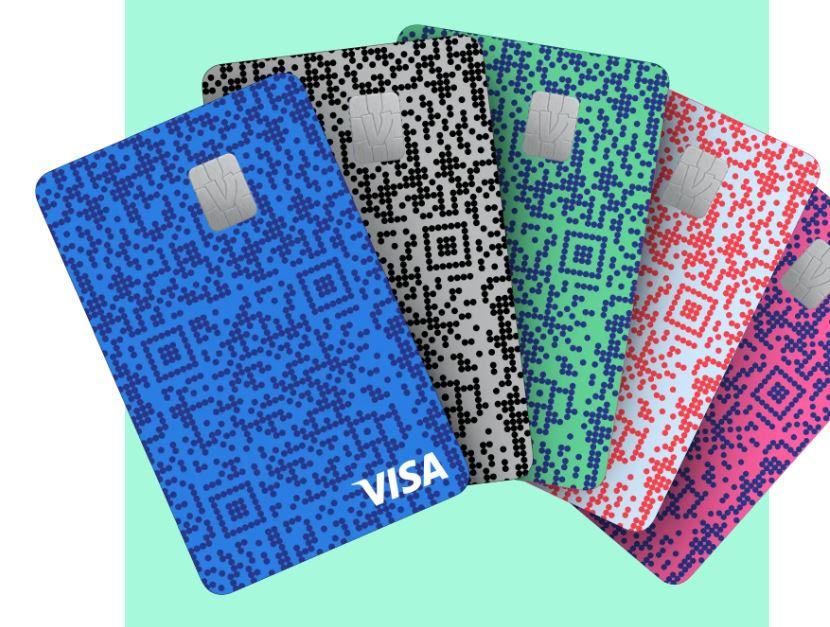
The Venmo Credit Card is a mainstream entry point into crypto rewards. You earn 3% back on your top spending category each month, 2% on the second, and 1% on everything else, in USD.
Technically, this isn’t a crypto-specific card, but you can auto-convert your cash back into crypto right in the Venmo app. This option is called Cash Back to Crypto. Supported options include Bitcoin, Ethereum, and a handful of other major coins. No wallets, exchanges, or extra apps required.
It’s perfect for someone who’s crypto-curious but wants a familiar card experience. The main trade-off is that reward rates are lower than dedicated crypto cards, and it’s U.S.-only.
Pros:
- Easy entry into crypto rewards
- Auto-conversion in-app
- No annual fee
Cons:
- US-only
- Lower rewards compared to crypto-focused cards
- Limited crypto selection
7. Trustee Card
Best for: Binance Pay users and EU-based crypto spenders

The Trustee Card is a virtual payment card linked to the Trustee Plus crypto wallet, allowing users to spend digital assets in real-world situations. It’s especially convenient for Binance users — you can top up your Trustee Plus account with USDT from Binance Pay at zero commission.
The card supports daily spending up to €5,000 and a monthly cap of €50,000, making it practical for regular use. You’ll need to complete KYC verification before issuance, and while the standard fee is €10, Binance users currently get a discounted €5 rate.
There’s a 0.5% transaction fee and no other charges. Since the card is virtual-only, ATM withdrawals require NFC support. This makes it more suited for contactless payments rather than physical cash access.
Pros:
- Easy Binance Pay integration
- Low issuance cost (discounted for Binance users)
- Strong daily and monthly limits
Cons:
- Virtual-only (NFC ATM required)
- Limited to EU regions
- No cashback or reward program
8. Uphold Card
Best for: Frequent travelers and multi-asset users

The Uphold Card is designed for users who manage multiple assets — from crypto to fiat and even precious metals. It lets you spend directly from your Uphold wallet anywhere in the world, with no setup or annual fees and 0% foreign transaction fees.
Currency conversions happen automatically, making it a great choice for travelers and global users. The card supports Apple Pay and Google Pay, enabling seamless mobile payments, and allows you to withdraw crypto as cash from ATMs.
You can spend up to $10,000 per day across 50 transactions, though monthly rewards are capped at $100.
Pros:
- No FX or setup fees
- Spend crypto, fiat, or metals globally
- Works with Apple Pay and Google Pay
Cons:
- Rewards capped at $100/month
- Limited availability (US + select regions)
- Requires Uphold account for access
How to choose the right crypto rewards card
The best choice for you will depend on where you live, how you spend, and what kind of crypto you actually want to earn.
Rewards structure
Look closely at the rates and categories. Some cards offer extra on dining or travel, others are flat-rate. Also check if you can earn the crypto you actually want.
Fees and staking requirements
Zero annual fees are common, but some cards require staking a specific token to unlock top rates. For example, the Crypto.com Visa pays up to 5% back, but only if you stake CRO for six months. Decide if that trade-off makes sense.
Availability (international vs. US)
Some of the best cards, like Binance and Nexo, are available internationally but not in the US. Others, like Gemini and Venmo, are US-only. Make sure the card you choose is actually issued where you live.
Conversion and spending
Some cards automatically convert your crypto to fiat at the point of sale. Others let you spend directly from your crypto balance. Either way, remember: in many countries, crypto rewards are taxable as income the moment you receive them.
Security and platform trust
Always stick to cards from reputable exchanges or banks. Consider whether your rewards stay in the issuer’s custody or if you can transfer them to your own wallet.
The bottom line
Crypto rewards credit cards in 2026 make it possible to earn Bitcoin, Ethereum, or other cryptocurrencies simply by going about your daily spending.
Whether you want a Bitcoin rewards credit card focused only on BTC or a broader crypto rewards card, maximum cashback, global availability, or a simple way to dip your toes into crypto, there’s now (probably) a card for you.
If you value variety and instant rewards, Gemini is hard to beat. If you’re after the highest possible rate and don’t mind staking, Crypto.com is your pick. International users can look to Binance or Nexo, while beginners might find Venmo the easiest starting point.
As the crypto industry matures, these cards are becoming more accessible, more competitive, and easier to use. That means you can combine the familiar perks of a credit card with the potential upside of holding crypto.


You May Also Like

Cathie Wood’s ARK Invest Buys $13.7M in Circle Shares While Selling Robinhood Stock

The changing face of elder care in Malaysia — Sayed Mohammad Reza Yamani Sayed Umar

Not a loophole: Singapore AI export controls let China tap US AI legally



