Digital payments are evolving rapidly, and businesses are constantly looking for secure and efficient ways to process transactions. One such method gaining popularity is the eCheck, a modern electronic version of the traditional paper check. It allows money to be transferred directly from a customer’s bank account to a business account through the Automated Clearing House (ACH) network.
Unlike physical checks, electronic payments eliminate paperwork, reduce processing time, and provide a convenient option for both businesses and customers. This payment method is commonly used for online purchases, bill payments, subscriptions, and business-to-business transactions.
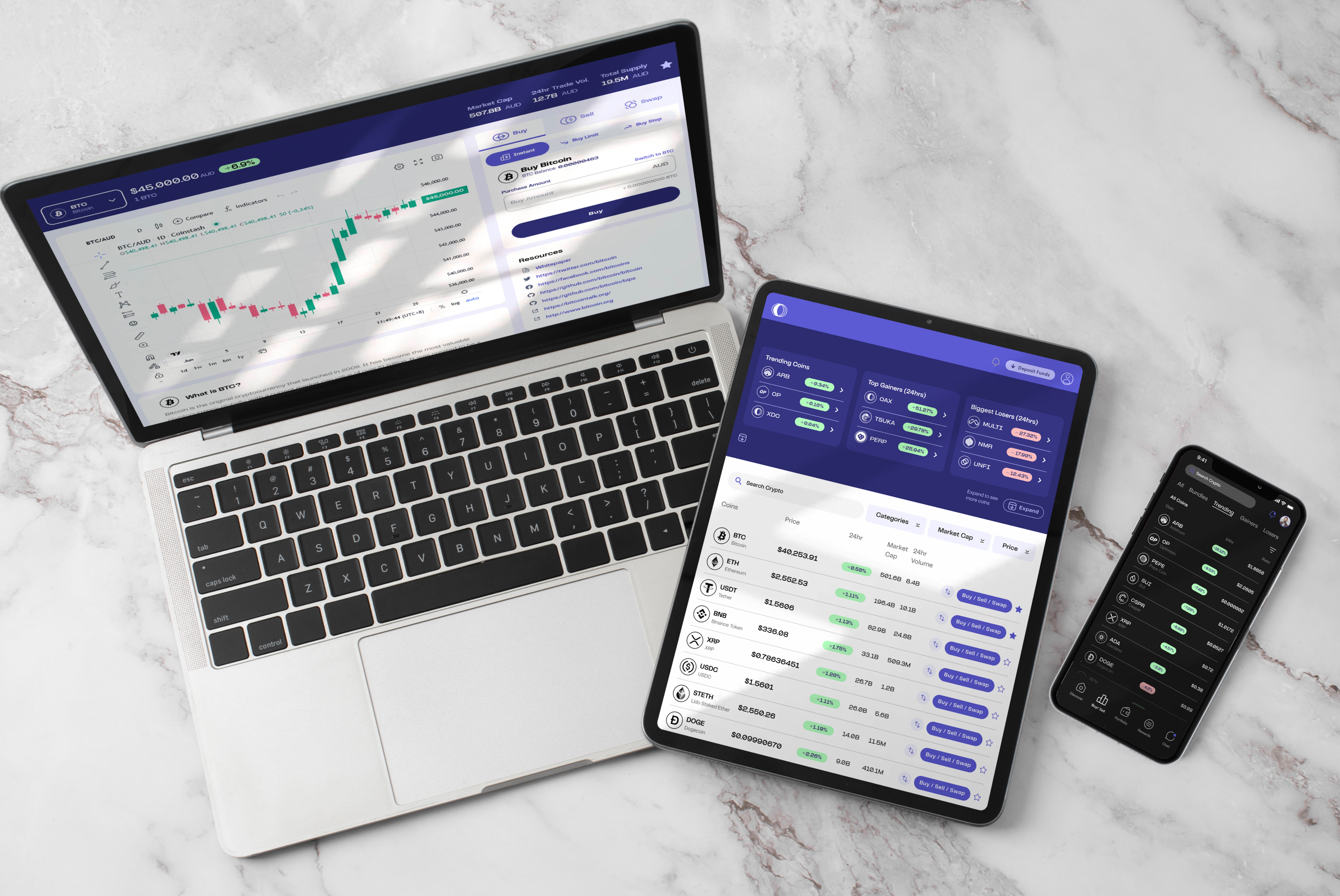
How Electronic Check Payments Work
The process of using an electronic check is simple and secure. Instead of writing a physical check, the payer enters their bank account and routing numbers into a secure payment form. Once the payment is authorized, the system sends the information to the ACH network for verification and processing.
Here is how the typical payment flow works:
-
Customer Authorization – The customer approves the payment through an online form, phone confirmation, or signed authorization.
-
Bank Information Submission – The account and routing details are securely transmitted to the payment processor.
-
ACH Processing – The Automated Clearing House network verifies the request and transfers the funds.
-
Payment Settlement – The money is deposited into the merchant’s account, usually within a few business days.
This digital process significantly reduces manual handling while improving accuracy and efficiency.
Benefits for Businesses
Electronic check payments offer several advantages for companies of all sizes. One of the biggest benefits is lower transaction costs compared to credit card processing fees. This makes it especially useful for businesses that handle large payments or recurring billing.
Another major advantage is improved cash flow management. Because transactions are processed electronically, businesses can track payments more easily and reduce delays caused by mailed checks.
Other key benefits include:
-
Reduced processing costs compared to card payments
-
Higher payment limits suitable for large transactions
-
Lower risk of lost or stolen checks
-
Easy integration with billing systems
-
Convenient recurring payment setup
These advantages make digital bank transfers an attractive payment option for industries like utilities, insurance, property management, and e-commerce.
Security and Fraud Protection
Security is a major concern in online transactions, and electronic check payments are designed with several protective measures. Payment processors typically use encryption, tokenization, and authentication protocols to safeguard sensitive banking information.
Additionally, the ACH network operates under strict regulatory guidelines to ensure safe transfers. Businesses can also implement verification tools such as bank account validation and identity checks to minimize fraudulent activity.
Customers benefit as well because they do not need to share credit card details, reducing the risk of card-related fraud.
Use Cases Across Industries
Many industries rely on digital bank payments for daily operations. Subscription-based services often use them to automate recurring billing, ensuring customers are charged on schedule without manual intervention.
Property managers use electronic transfers to collect rent payments, while utility providers allow customers to pay bills directly from their bank accounts. Nonprofit organizations also accept digital bank payments for donations because they typically involve lower fees than card transactions.
These flexible use cases highlight why this payment method continues to grow in popularity across different sectors.
The Future of Digital Bank Payments
As online commerce expands, businesses are prioritizing payment solutions that are cost-effective, secure, and convenient. Digital bank transfers meet these needs by offering a reliable alternative to credit cards and traditional checks.
With improvements in payment technology and increasing consumer trust in online banking, adoption is expected to continue rising. Companies that integrate electronic payment options into their checkout systems can improve customer experience while reducing operational costs.
In today’s fast-moving digital economy, adopting efficient payment methods is essential for staying competitive. By leveraging solutions like eCheck, businesses can streamline transactions, enhance security, and create a smoother payment experience for their customers.