XRP Donation: South Korean Investor’s Inspiring $154K Gift to Red Cross Supports Vulnerable Communities
BitcoinWorld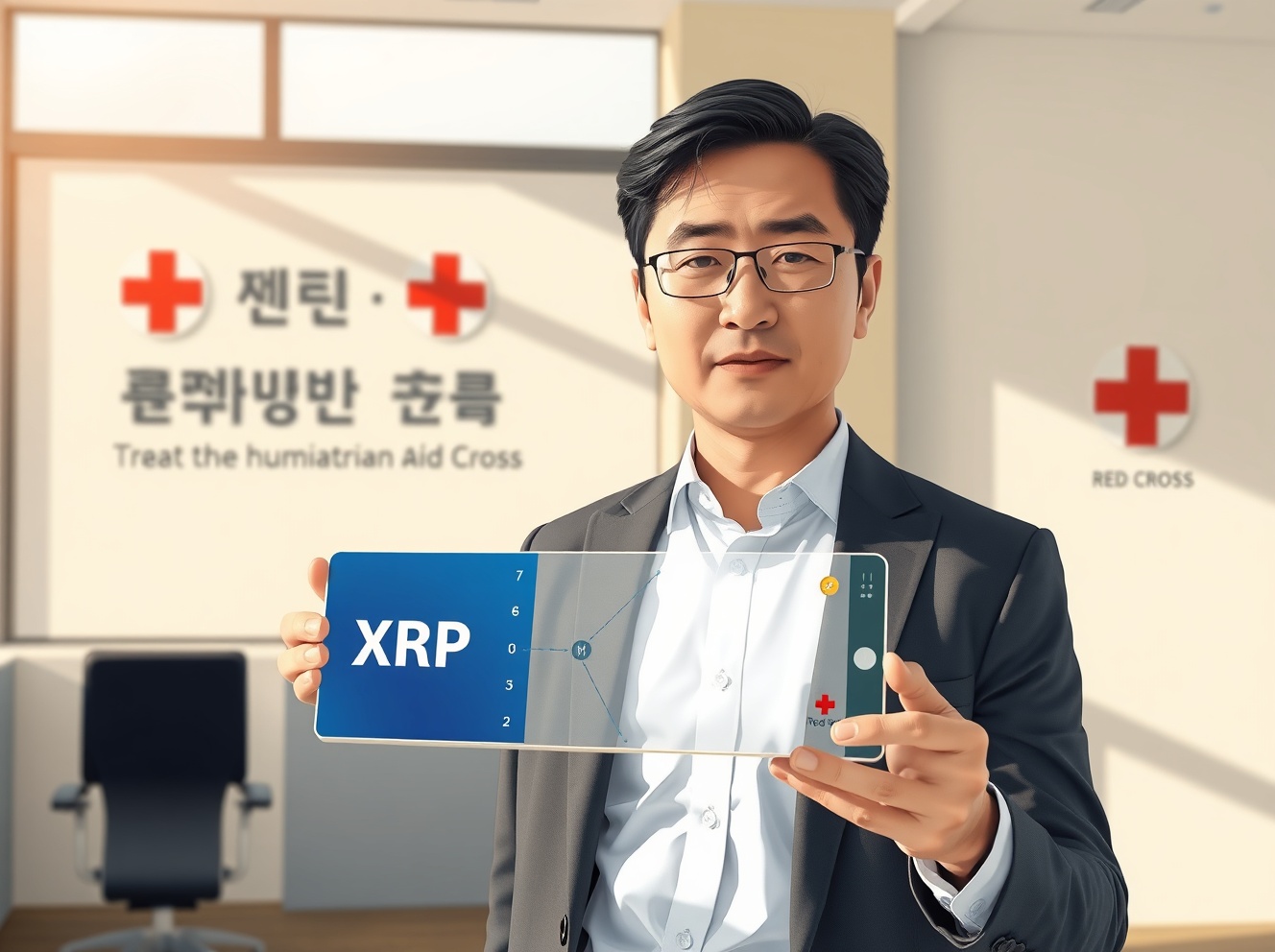
XRP Donation: South Korean Investor’s Inspiring $154K Gift to Red Cross Supports Vulnerable Communities
SEOUL, South Korea – March 2025 – In a significant display of cryptocurrency philanthropy, South Korean investor Kim Geo-seok has donated 100,000 XRP tokens, valued at approximately $154,000, to the Korean Red Cross. This substantial contribution marks his second major digital asset donation within a year, following his groundbreaking Bitcoin donation in 2024. The funds will directly support vulnerable groups across South Korea, demonstrating how blockchain technology can facilitate humanitarian aid.
XRP Donation Represents Growing Crypto Philanthropy Trend
Kim Geo-seok’s latest donation represents a notable development in South Korea’s evolving cryptocurrency landscape. According to The Medical Times, which first reported the story, Kim became recognized last year as the first individual in South Korea to donate digital assets publicly. His initial contribution involved one Bitcoin, valued at approximately $42,000 at the time of donation. Now, his XRP donation nearly quadruples that amount, signaling increased confidence in cryptocurrency as a vehicle for charitable giving.
The Korean Red Cross confirmed receipt of the 100,000 XRP tokens through official channels. Furthermore, the organization immediately converted the digital assets to Korean won to fund ongoing humanitarian programs. These programs specifically target vulnerable populations including:
- Elderly citizens living alone without adequate support systems
- Low-income families struggling with basic necessities
- Disaster-affected communities requiring emergency assistance
- Medical patients facing financial barriers to treatment
Cryptocurrency donations offer several advantages for humanitarian organizations. First, they enable near-instantaneous cross-border transfers without traditional banking delays. Second, they provide transparency through blockchain verification. Third, they attract younger, tech-savvy donors who prefer digital asset management. The Korean Red Cross has acknowledged these benefits while implementing secure conversion protocols.
South Korea’s Evolving Regulatory Environment for Crypto Donations
Kim’s donation occurs within a rapidly changing regulatory framework. South Korean authorities have implemented stricter cryptocurrency regulations following market volatility concerns. However, they have simultaneously created clearer guidelines for charitable donations involving digital assets. The Financial Services Commission now requires proper documentation for cryptocurrency transfers exceeding certain thresholds.
Several key developments have shaped this environment:
| Date | Regulatory Development | Impact on Crypto Donations |
|---|---|---|
| June 2023 | Virtual Asset User Protection Act | Established basic consumer protections |
| January 2024 | Tax Guidelines for Crypto Donations | Clarified tax treatment for charitable gifts |
| September 2024 | AML Requirements for Nonprofits | Added anti-money laundering checks |
| February 2025 | Streamlined Reporting System | Simplified documentation for registered charities |
These regulatory changes have created a more structured environment for cryptocurrency philanthropy. Consequently, major charitable organizations have developed specialized procedures for handling digital asset donations. The Korean Red Cross now maintains dedicated cryptocurrency wallets and partners with licensed exchanges for secure conversions.
Expert Analysis of Crypto Philanthropy’s Growth
Financial analysts observe increasing institutional acceptance of cryptocurrency donations globally. According to blockchain philanthropy researcher Dr. Elena Martinez, “South Korea represents a particularly interesting case study. The country combines high cryptocurrency adoption rates with strong cultural traditions of charitable giving. This creates ideal conditions for digital asset philanthropy to flourish.”
Martinez’s research indicates several key factors driving this trend:
- Appreciated assets: Donors often contribute cryptocurrencies that have significantly increased in value
- Tax efficiency: Many jurisdictions offer favorable tax treatment for charitable donations of appreciated assets
- Technological familiarity: Younger donors feel more comfortable with digital transactions
- Transparency benefits: Blockchain provides verifiable transaction records
Furthermore, South Korea’s specific demographic and technological context accelerates adoption. The country boasts one of the world’s highest smartphone penetration rates. Additionally, it maintains sophisticated digital infrastructure. These factors combine to create an environment where cryptocurrency donations feel natural to many potential donors.
Comparative Analysis of Major Cryptocurrency Donations
Kim Geo-seok’s donation represents part of a broader global trend. Several high-profile cryptocurrency donations have occurred recently, each demonstrating different approaches to digital philanthropy. The following examples illustrate this growing movement:
United States (2024): An anonymous donor contributed 500 Ethereum (approximately $1.8 million) to a university blockchain research program. The donation established an endowment fund specifically for decentralized technology studies.
United Kingdom (2024): A collective of cryptocurrency investors donated various digital assets totaling approximately $2.3 million to cancer research organizations. They utilized a donor-advised fund specializing in cryptocurrency conversions.
Japan (2023): A technology executive donated Bitcoin valued at approximately $750,000 to earthquake relief efforts. The funds supported reconstruction in affected regions through transparent blockchain tracking.
These international examples demonstrate cryptocurrency’s growing role in philanthropy. Each donation reflects local regulatory environments, charitable traditions, and technological adoption rates. South Korea’s position as a cryptocurrency innovation hub makes it particularly significant within this global context.
Practical Implications for Humanitarian Organizations
The Korean Red Cross has developed specific protocols for handling cryptocurrency donations. These procedures ensure compliance, security, and efficient fund utilization. According to organizational representatives, the process involves several key steps:
First, the organization verifies the donor’s identity and the transaction’s legitimacy. Second, it transfers received cryptocurrencies to partnered exchange platforms. Third, it converts digital assets to fiat currency during optimal market conditions. Fourth, it allocates funds to designated humanitarian programs. Finally, it provides donors with documentation for tax purposes.
This systematic approach addresses common concerns about cryptocurrency volatility and regulatory compliance. By partnering with established financial institutions, humanitarian organizations mitigate risks while accessing new funding sources. The Korean Red Cross reports that cryptocurrency donations now represent approximately 3% of its total private contributions, a percentage that has doubled since 2023.
Conclusion
Kim Geo-seok’s XRP donation to the Korean Red Cross represents a significant milestone in cryptocurrency philanthropy. This $154,000 contribution supports vulnerable groups while demonstrating digital assets’ practical humanitarian applications. Furthermore, it highlights South Korea’s evolving regulatory framework for cryptocurrency transactions. As digital assets gain mainstream acceptance, their role in charitable giving will likely expand. The Korean Red Cross’s systematic approach provides a model for other organizations navigating this emerging landscape. Ultimately, this XRP donation illustrates how technological innovation can serve traditional humanitarian values.
FAQs
Q1: How much XRP did Kim Geo-seok donate to the Korean Red Cross?
Kim Geo-seok donated 100,000 XRP tokens, which were valued at approximately $154,000 (200 million Korean won) at the time of the transaction.
Q2: Is this Kim Geo-seok’s first cryptocurrency donation?
No, this represents his second major public cryptocurrency donation. In 2024, he donated one Bitcoin to charitable causes, establishing himself as South Korea’s first publicly known individual cryptocurrency donor.
Q3: How does the Korean Red Cross handle cryptocurrency donations?
The organization maintains specific protocols including donor verification, secure wallet management, partnership with licensed exchanges for conversion, and transparent fund allocation to humanitarian programs.
Q4: What makes cryptocurrency donations different from traditional donations?
Cryptocurrency donations offer near-instantaneous transfer, blockchain transparency, potential tax advantages for appreciated assets, and appeal to technologically savvy donors, though they require specific handling procedures due to volatility and regulatory considerations.
Q5: Are cryptocurrency donations becoming more common in South Korea?
Yes, cryptocurrency donations are increasing in South Korea due to high digital asset adoption rates, clearer regulatory guidelines established in 2024-2025, and growing institutional acceptance by charitable organizations.
This post XRP Donation: South Korean Investor’s Inspiring $154K Gift to Red Cross Supports Vulnerable Communities first appeared on BitcoinWorld.


You May Also Like

Best Music AI Websites For Songs And Soundtracks

Hillcrest Tennis Camp Opens 2026 Registration for Junior and Adult Programs in North York